
Arctic Photography Gear Guide: Essential Camera Equipment for Extreme Cold
Arctic Photography Gear Guide: Conquering The Arctic Lens-First
Photographing the Arctic is an exercise in capturing profound beauty in an environment of profound hostility. For photographers planning an arctic photography expedition, understanding the best camera gear for cold weather photography is essential. It’s a world of immense ice, ethereal light, and elusive wildlife, where a single photograph can convey both immense power and delicate fragility.
But for the photographer, this pristine wilderness presents a formidable set of challenges. The extreme cold wages war on electronics, the wind and snow seek to infiltrate every crevice of your gear, and the harsh elements of the Arctic demand protective measures for both equipment and yourself. The sheer remoteness means there are no second chances, no camera stores, and no easy fixes.
With so many photographers seeking to capture the Arctic, developing unique skills and perspectives is crucial to stand out in this competitive field.
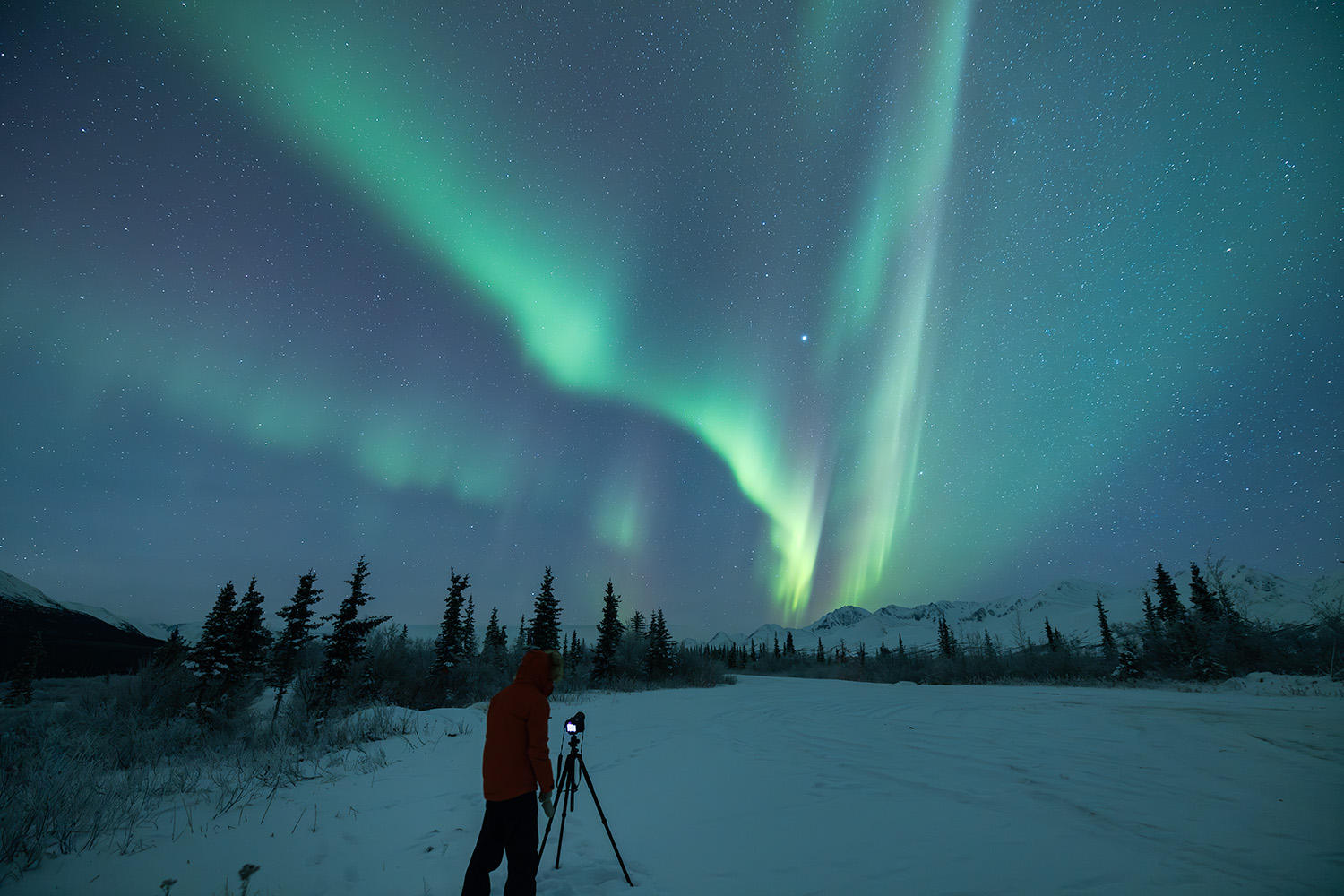
Preparing for an Arctic expedition is as much about strategic planning as it is about creative vision. Every piece of arctic camera equipment must be chosen not just for its performance, but for its resilience. Embarking on this adventure means embracing the excitement and unpredictability that come with photographing in such extreme conditions.
How do you keep batteries from dying in sub-zero temperatures? How do you operate a camera with thick gloves? How do you protect a sensitive lens from sea spray on a Zodiac cruise? Success in extreme cold photography depends on answering these questions long before you step foot into the Arctic.
Traveling north to reach the Arctic brings you into the far north, some of the most remote and pristine environments on Earth, where the landscape and wildlife remain largely untouched.
Ultimately, arctic photography is not just about the images you bring home, but about the journey itself—an experience that is as rewarding and memorable as the photographs you capture. For many, photographing the Arctic is truly a lifetime experience, offering rare opportunities to witness and document the wonders of this unique region.
The Call of the Arctic: Unique Challenges for Photographers
The Arctic’s primary challenge for cold weather photography is the relentless cold. It affects everything a photographer relies on: batteries drain with alarming speed, LCD screens become sluggish, and metal components become painfully cold to the touch. Beyond the temperatures, the weather is wildly unpredictable. A calm, sunny day can turn into a blizzard with blinding snow in minutes. The frozen tundra, with its vast, dramatic landscape, adds to the challenging environment photographers must navigate.
This environment demands professional photography equipment that is not just functional but fundamentally dependable, as well as the development and application of essential skills to adapt and succeed in Arctic photography.
Which Clothing and Protective Gear are Crucial for Arctic Photographers?
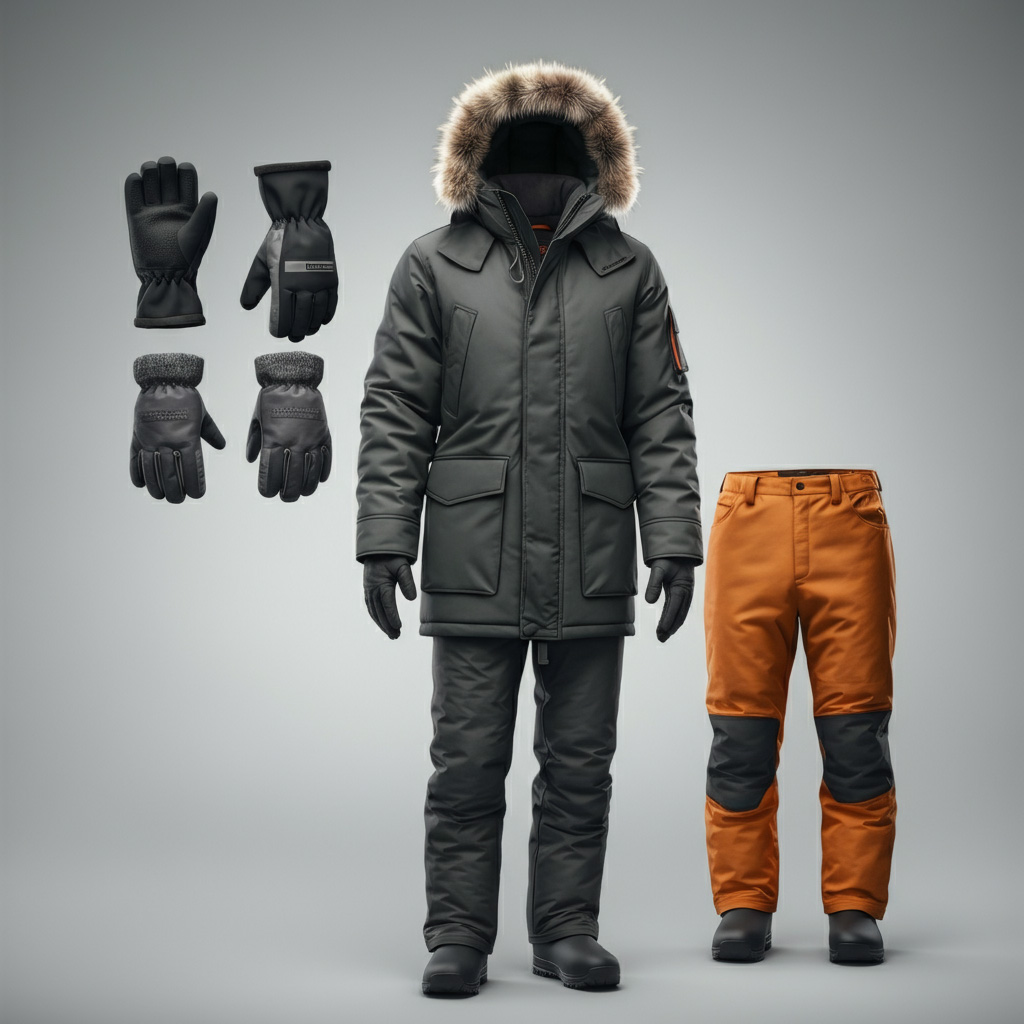
Your ability to create compelling images is directly linked to your ability to stay warm and functional. A non-negotiable layering system is the foundation. Start with a merino wool base layer for moisture-wicking, add a fleece or down mid-layer for insulation, and top it with a high-quality waterproof and windproof outer shell (parka and pants). Choose clothing that not only insulates but also allows for freedom of movement, so you can comfortably adjust your position or follow wildlife in the Arctic environment. Insulated, waterproof boots are critical. For your hands, a dual-glove system is best: thin liner gloves for dexterity when changing settings, covered by heavy, insulated mittens for warmth between shots. Chemical hand warmers are an indispensable accessory to tuck into pockets and gloves.
Why Pro Gear Matters: Reliability in Extreme Environments
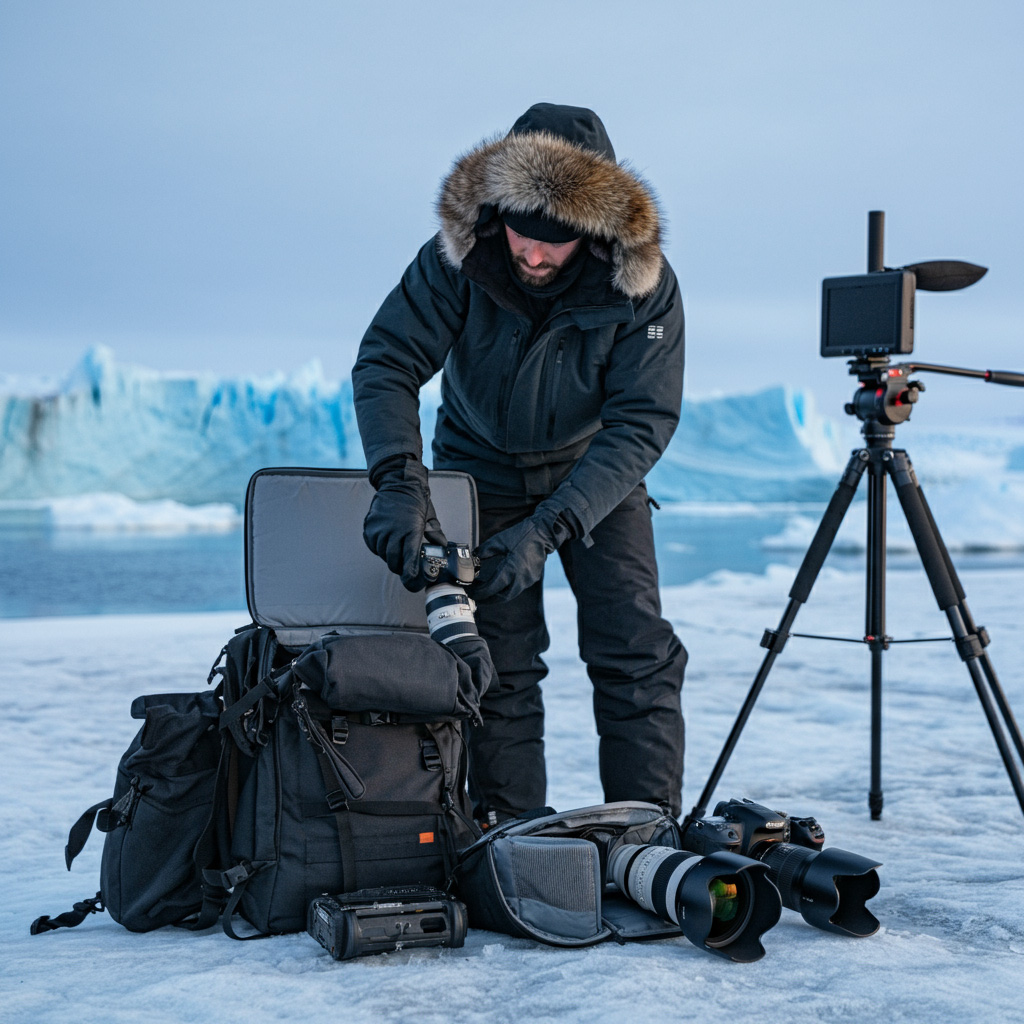
In the Arctic, the difference between consumer and professional-grade camera gear becomes starkly apparent. Professional equipment is built to a higher standard of durability and, most importantly, weather sealing. Preferably, your camera bodies and lenses should be weather-sealed and specifically designed for extreme conditions to ensure reliable performance. This system of gaskets and seals protects the sensitive internal electronics from moisture, dust, and freezing temperatures—conditions that can cripple lesser gear. When you’re thousands of miles from the nearest repair shop, investing in the best camera for arctic photography designed to withstand the elements is not a luxury; it’s a prerequisite for a successful expedition.
What This Guide Covers: A Deep Dive into Essential Arctic Photography Gear
This comprehensive arctic photography gear guide goes beyond a simple packing list. We will deconstruct the professional’s kit, explaining the why behind each choice. From camera body and lens selection to advanced battery management strategies and the support gear that provides a stable foundation, you will learn what winter photography equipment to trust when facing the extreme conditions of the Arctic. We will explore the specific demands of photographing wildlife, vast landscapes, and the mesmerizing Northern Lights, ensuring you are equipped not just to survive, but to thrive creatively.
Additionally, we emphasize the value of learning about your gear and practicing essential techniques before your Arctic expedition, so you can confidently capture every moment in this challenging environment. For those just starting out, my beginner landscape photography guide covers the essential gear and settings before you tackle extreme conditions.
Cold Weather Photography: Understanding the Arctic's Demands on Your Gear
Before selecting specific models, a photographer must understand the forces their equipment will be up against. The Arctic is not just cold; it’s a multi-faceted environment that tests professional camera equipment in unique and often simultaneous ways. Each area of the Arctic presents its own unique challenges for photographers and their equipment, from harsh winds and extreme cold to shifting ice and unpredictable wildlife, all set within the pristine nature of these remote regions where the landscape and wildlife remain largely untouched. Success hinges on a kit built to withstand this crucible, with time well spent on preparation and selecting the right gear making all the difference.
Relentless Cold & Wind: Impact on Electronics, Materials, and Performance
Sub-zero temperatures are the most immediate threat in cold weather photography. Lithium-ion batteries, the power source for virtually all modern cameras, see their chemical reactions slow dramatically in the cold, leading to a capacity drop of 30-50% or more. LCD screens can lag or temporarily fail. Furthermore, the wind chill factor exacerbates the cold, accelerating battery drain and making it physically difficult to handle equipment. Plastic components can become brittle and more susceptible to cracking if dropped or impacted.
Moisture, Snow, and Ice: The Imperative for Weather Sealing and Protection
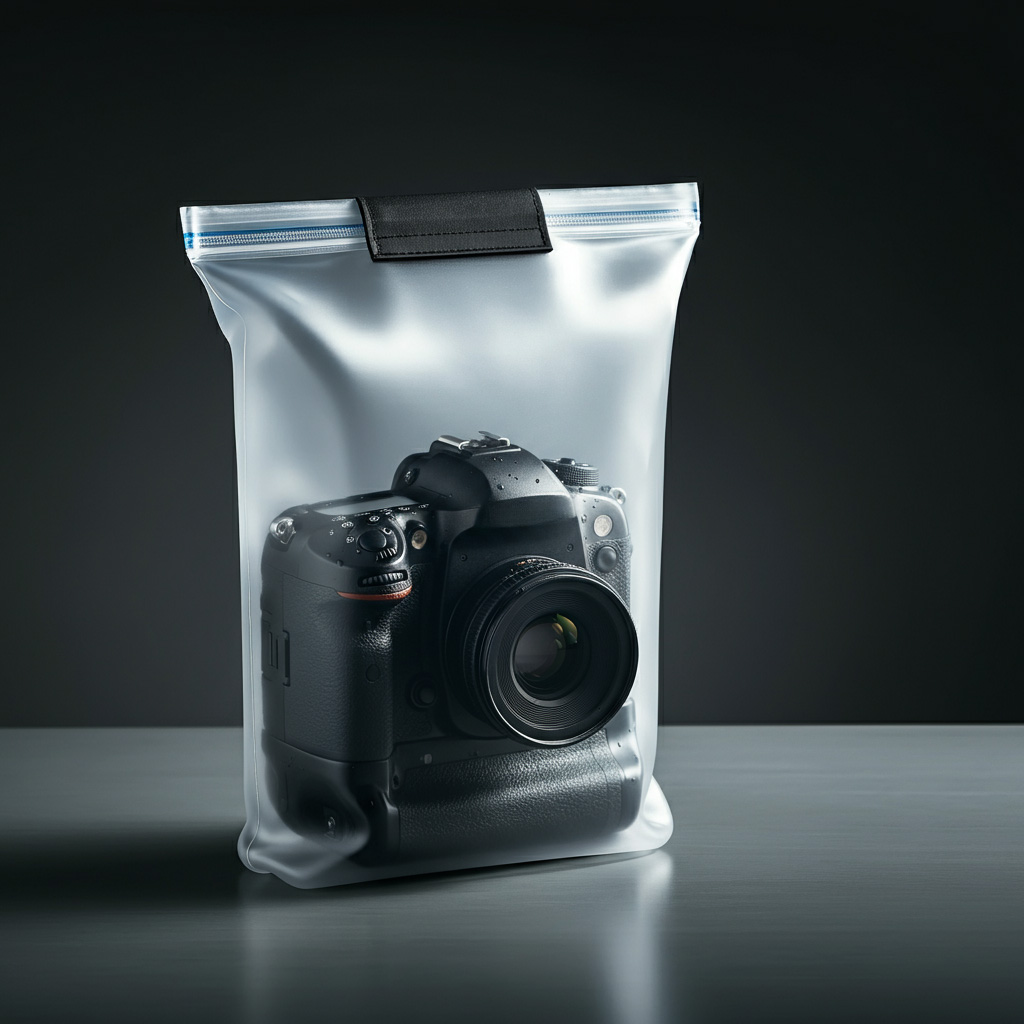
Moisture is the silent killer of electronics. In the Arctic, it appears as driving snow, sea spray from a Zodiac, or, most deceptively, as condensation. The seasonal melt at the floe edge introduces additional moisture challenges, as thawing sea ice increases humidity and dampness in the environment, making it even more important to protect your gear. Moving a frigid camera from the outdoors into a warm cabin without proper acclimatization will cause moisture to form on and inside every surface, risking short circuits and long-term corrosion. This makes robust weather sealing an essential feature for arctic camera equipment, providing the first line of defense against environmental intrusion.
Unique Light Conditions: From Blinding Brightness to Dim Northern Lights
The Arctic light is extraordinary and challenging for extreme cold photography. On a sunny day, the reflection off snow and ice can be blindingly bright, fooling camera meters into underexposing images and requiring careful use of exposure compensation and ND filters. Glare from snow and ice is a common issue in arctic photography, often reducing image quality and affecting exposure; using polarising filters can help minimize glare and improve your results. Conversely, the “blue hour” can last for extended periods, and in winter, the low light is persistent.
Photographing the aurora borealis, a spectacular natural phenomenon of the Arctic, introduces another challenge, demanding cameras with excellent high-ISO performance and fast-aperture lenses to capture the faint, dancing light without excessive noise.
Remoteness & Unpredictability: Emphasizing Durability and Self-Sufficiency
An Arctic expedition is the definition of remote. If a piece of camera gear fails, it’s out of commission for the entire trip. This reality forces professionals to prioritize durability and build redundancy into their kits. Equipment must be tough, reliable, and simple enough to operate in difficult conditions. Visitors to the Arctic must be prepared for self-sufficiency due to the region's remoteness, which means packing backup bodies, spare batteries, memory cards, and the tools to perform minor field cleaning and maintenance.
Camera Bodies: The Foundation of Your Arctic Kit
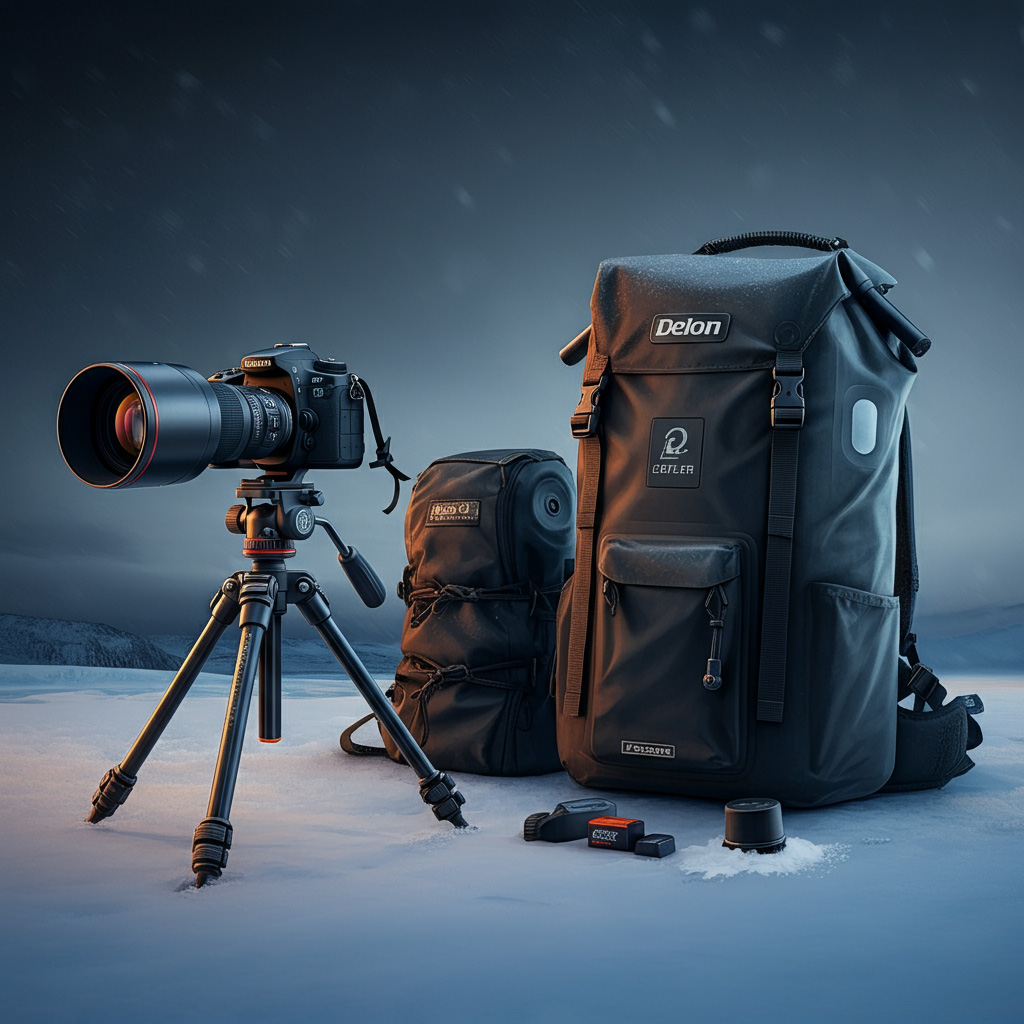
The camera body is the heart of your system. In the Arctic, its primary qualifications are reliability, durability, and performance in low light. Before heading out, test different camera bodies and settings to see what works best for you in challenging Arctic conditions. Professionals rarely travel with just one; a backup body is standard practice, ensuring that a single failure doesn’t end their photography for the trip.
For those seeking simplicity, point and shoot cameras can be a compact alternative, though they may lack the durability needed for Arctic conditions.
What Camera Do Professional Arctic Photographers Use?
Professional arctic photographers rely on weather-sealed, full-frame camera bodies known for extreme cold performance. The most popular choices include the Nikon Z8 and Canon R5 for their exceptional build quality and autofocus, the Sony A1 for its high-resolution sensor and versatile performance, and proven DSLRs like the Canon 5D Mark III or Canon 5D Mark IV for their battle-tested reliability in harsh conditions. Some photographers may prefer certain brands or models based on their specific needs and shooting style.
Mirrorless vs. DSLR in Extreme Cold: Professional Considerations
The debate between mirrorless and DSLR has specific implications for cold-weather photography.
Mirrorless: Modern high-end mirrorless cameras like the Nikon Z8, Canon R5, or Sony A1 offer significant advantages in weight savings and boast cutting-edge autofocus systems. Their electronic viewfinders (EVFs) show a real-time preview of the exposure, which is invaluable when shooting on bright snow. However, the EVF and rear screen consume more power, which can be a liability for already-strained batteries in the cold.
DSLR: Traditional DSLRs, like the workhorse Canon 5D Mark III, have a proven track record of durability. Their optical viewfinders (OVFs) consume virtually no power, offering a distinct advantage for battery conservation in extreme cold photography. While generally heavier, their rugged construction and extensive weather sealing have made them a trusted choice for expeditions for years.
When deciding which system to pick for arctic photography, consider whether you prioritize lighter gear and advanced autofocus (mirrorless) or maximum battery life and proven durability (DSLR). Ultimately, the choice comes down to a photographer’s priorities, but professional-grade weather sealing is non-negotiable on either platform.
Full Frame vs. Cropped Sensor: Advantages for Low Light and Image Quality
For the demanding conditions of the Arctic, a full-frame sensor is the professional standard for the best camera for arctic photography. The larger sensor size translates to larger individual pixels, which gather more light. This results in superior image quality, particularly at the high ISO settings required for photographing the northern lights or wildlife in twilight. A full-frame camera produces cleaner, less noisy images, offering greater flexibility in post-processing. While cropped-sensor cameras offer a "reach" advantage for wildlife, the low-light performance of a full-frame body is a more critical asset in the Arctic.
Dual Card Slots: The Professional's Redundancy for Critical Shots
A camera with dual memory card slots is a cornerstone of a professional workflow. This feature allows a photographer to create an instant in-camera backup of every shot, writing the same file to two separate cards simultaneously. On a once-in-a-lifetime expedition, where a shot of a polar bear or a spectacular aurora display cannot be replicated, the risk of a single card failing is unacceptable. This redundancy provides critical peace of mind and protects against data loss.
Essential Camera Settings for Cold Weather Photography
To extract the maximum quality from Arctic scenes, a few settings are paramount. Always shoot in RAW format. This captures the most data from the sensor, providing the greatest latitude for adjusting exposure, shadows, highlights, and white balance later. Speaking of white balance, your camera's auto setting will often render snow as blue or gray. Setting a custom white balance using the snow itself as a neutral reference, or using the "Cloudy" or "Shade" presets, can produce more accurate colors in-camera.
Lenses: Capturing the Arctic's Vast Landscapes and Elusive Wildlife
Your choice of lens dictates what you can capture. An arctic photography expedition requires a versatile set of optics capable of framing both the vastness of the landscapes and the intimate details of its wildlife inhabitants. Photographing from land allows you to capture the scale and grandeur of the Arctic, providing context and a sense of place in your images. Selecting the right lens is essential for capturing stunning photos in the challenging and unique conditions of the Arctic.
Best Lenses for Arctic Wildlife Photography
Respectful wildlife photography in the Arctic requires distance. The same principle applies to coastal Alaska — read my guide to brown bear encounters at Lake Clark for the specific 50-yard and 100-yard NPS distance rules that govern guided bear viewing.
Bringing a telephoto lens is essential for photographing distant Arctic wildlife, such as polar bears, birds, and other animal subjects to convey scale and add visual interest. A high-quality telephoto zoom lens is the most critical tool for capturing frame-filling images of polar bears, seals, whales, and birds without disturbing them. Lenses in the 100-400mm or 70-200mm range offer excellent flexibility. A lens like the Canon 100-500mm f/4.5-5.6 provides superb reach and sharpness, while a classic like the Canon 70-200mm f/2.8 II, often paired with a 1.4x teleconverter, offers a faster aperture for lower light situations.
The arctic fox is another key species to photograph, known for its unique adaptations to the harsh environment and its seasonal color changes from brown in summer to white in winter. The bearded seal, a solitary Arctic animal often found resting on ice floes, is also an important subject, offering opportunities to capture its behaviors related to survival and predator avoidance.
What are the Essential Gear Items Necessary for Arctic Photography?
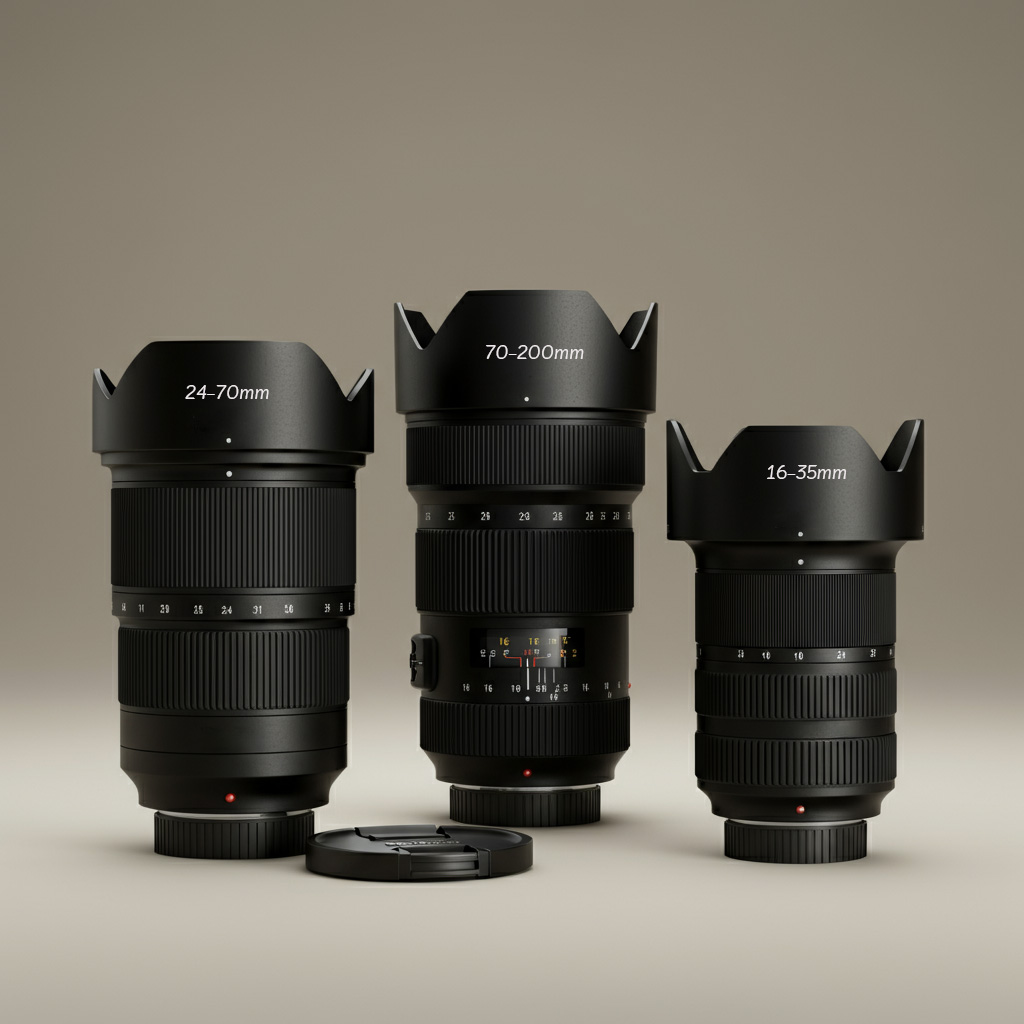
Beyond a single lens, a professional’s bag is built around a versatile trio. The “holy trinity” of lenses for arctic photography gear typically includes a wide-angle zoom (e.g., 14-30mm), a mid-range standard zoom (e.g., 24-70mm), and a telephoto zoom (e.g., 70-200mm or 100-500mm). This combination covers nearly any photographic situation. Carefully choose your lens and gear combinations based on the specific demands of your arctic photography goals, considering the conditions and subjects you plan to capture. Paired with two rugged camera bodies, an abundance of spare batteries, a sturdy tripod, and a reliable backpack, this forms the core of an essential arctic photography equipment kit.
Best Lenses for Northern Lights Photography
To convey the immense scale of Arctic landscapes—towering glaciers, expansive sea ice, and dramatic fjords—a wide-angle lens is indispensable. A zoom like the Canon 15-35mm f/2.8 allows a photographer to capture sweeping vistas. When shooting northern lights photography with a wide-angle lens, it's important to keep the horizon level for a balanced composition, especially since the dynamic environment can make it challenging. This focal length is also ideal for including foreground elements like mountains or icebergs to create a more compelling composition of the aurora overhead.
Versatile Mid-Range Zooms: The Workhorse Lenses
A versatile "all-in-one" zoom, like a Canon 24-105mm f/4 or the Canon 24-70mm f/2.8, can be an excellent workhorse lens, especially for situations where changing lenses is impractical, such as on a moving Zodiac or during a hike. While it may not offer the same peak optical quality as more specialized zooms, its convenience and flexibility make it a valuable part of any arctic camera equipment kit, perfect for capturing scenes that unfold quickly.
Prime Lenses: When Speed and Sharpness are Paramount
While zooms offer flexibility, prime lenses (lenses with a fixed focal length) typically offer wider maximum apertures (e.g., f/1.8 or f/1.4) and superior sharpness. A fast wide-angle prime, such as a 20mm f/1.8, is the ultimate tool for northern lights photography. Its ability to gather immense amounts of light allows for lower ISO settings and faster shutter speeds, resulting in cleaner images and sharper stars.
Lens Performance in Cold: Internal Focus, Thermal Distortion, and Material Integrity
Extreme cold affects lenses as well. Lenses with internal focusing (IF) mechanisms are preferable, as the barrel does not extend or retract, reducing the risk of pulling in cold, moist air. Drastic temperature shifts can cause lens elements to contract at different rates, potentially impacting focus temporarily. High-quality professional lenses are built with more stable materials and tighter tolerances to minimize these effects, ensuring consistent performance across a range of temperatures.
Powering Through the Freeze: Advanced Battery Management Strategies
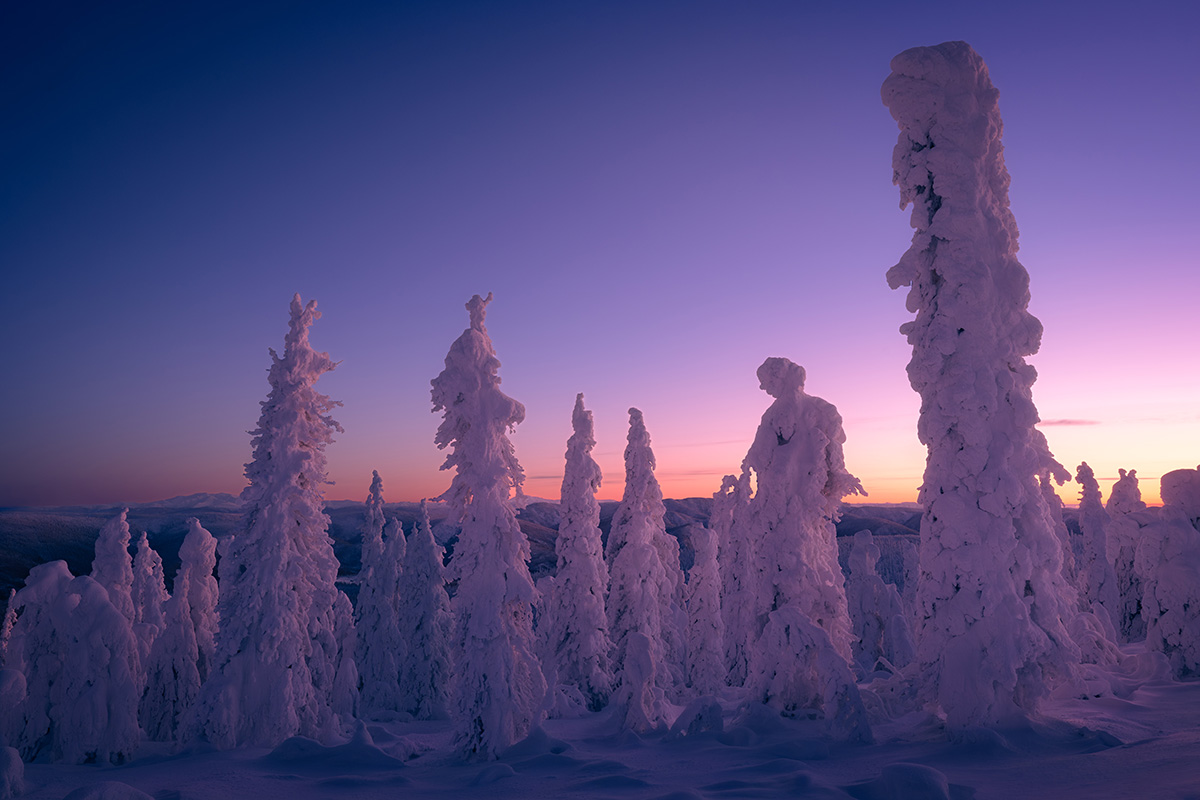
In the Arctic, battery management isn’t just a task; it’s a critical discipline for successful cold weather photography. A dead battery means a dead camera, regardless of how robust the rest of your gear is. The cold is a constant drain on power, and professionals adopt rigorous strategies to combat it. It’s a good idea to label your batteries and rotate their use to ensure even wear and reliability.
How Do You Keep Camera Batteries Warm in the Arctic?
The single most effective strategy is to keep batteries warm. Never store spare batteries in the outer pockets of your backpack. The best place for them is in an insulated inner pocket of your parka, close to your body heat. Start the day with a fully charged battery in your camera and keep two or three spares in your warm pocket. When the battery in the camera begins to fail, swap it with a warm one and place the “dead” cold battery back in your inner pocket. Often, after warming up, it will regain a significant portion of its life—sometimes up to 50% capacity.
Don't forget to pack extra batteries for your arctic photography adventure, and always keep them warm to ensure you don't miss any important shots.
Understanding Cold-Weather Battery Degradation: The Science of Power Loss
Lithium-ion batteries generate power through a chemical reaction. Extreme cold slows this reaction, which increases the battery's internal resistance and reduces its effective voltage. The battery isn't actually losing its charge; it simply can't deliver the power as efficiently. The camera's electronics detect this lower voltage and will often shut down, displaying a dead battery icon, even when the battery might still have 50% or more of its charge left if warmed up.
Charging Solutions for Extended Expeditions: Power Packs and Portable Chargers
On a photography workshop, especially if camping or away from consistent power, a reliable charging solution is vital. A high-capacity USB-C power bank paired with a USB charger for your specific camera batteries is a lightweight and effective combination. Charging your batteries overnight while you sleep ensures you start each day with a full complement of power, ready for all your arctic photography opportunities.
How Many Batteries Do I Need for Arctic Photography?
When it comes to arctic photography, you can never have too many batteries. A professional photographer will typically carry at least three to four times the number of batteries they would use on a normal day in a temperate climate. For a full day of shooting in extreme cold, having 8-12 spare batteries is not excessive. It is far better to end the expedition with unused batteries than to miss a critical shot because you ran out of power. Sometimes, you may need to wait for a cold battery to warm up before it regains usable charge, so pack more than you think you will need; this is the ultimate insurance policy.
Stable Foundations: Tripods, Monopods & Cold-Proofing Your Support Gear
A sturdy tripod is not optional for serious arctic photography. It is the key to creating sharp, high-quality images of landscapes, especially in the low light of dawn and dusk, and it is absolutely essential for the long exposures required to capture the northern lights. Take a moment to enjoy the process of setting up your tripod and composing your shots—this can be one of the most rewarding aspects of arctic photography.
Best Tripod for Arctic Photography: Carbon Fiber vs. Aluminum
In cold environments, carbon fiber is vastly superior to aluminum for tripod construction. Aluminum is a highly efficient thermal conductor, meaning it becomes painfully cold to the touch very quickly. Handling an aluminum tripod without thick gloves can be dangerous and lead to frostbite. Carbon fiber, by contrast, does not conduct cold as readily, making it significantly easier and safer to handle. Furthermore, carbon fiber is lighter and better at dampening vibrations, contributing to sharper images. While more expensive, a carbon fiber tripod for winter photography is a wise investment for any photographer venturing into extreme temperatures.
Arctic Photography Gear System: Complete Equipment Checklist
Use this comprehensive packing list to ensure you have all essential arctic camera equipment for your expedition. When planning your journey, carefully consider selecting the right arctic ship for your specialized expedition—vessel choice can greatly impact your experience and access to unique photographic opportunities. For detailed recommendations on each item, read more about our specific gear tips and advice, and seek guidance from experts with firsthand experience in arctic photography and expedition travel.
Camera Bodies & Memory
- Primary camera body (weather-sealed, full-frame recommended)
- Backup camera body (same system for lens compatibility)
- 4-6 high-speed memory cards (64GB or larger)
- Memory card case/wallet
Lenses
- Wide-angle zoom (14-35mm f/2.8) for landscapes & northern lights
- Standard zoom (24-70mm f/2.8 or 24-105mm f/4)
- Telephoto zoom (70-200mm or 100-400mm) for wildlife
- Fast prime lens (20mm f/1.8) optional for aurora
- Lens cleaning kit
Power Management
- 8-12 camera batteries (fully charged)
- Battery charger(s)
- High-capacity USB-C power bank
- USB charging cables
- Chemical hand warmers for battery pockets
Support & Protection
- Carbon fiber tripod with cold-weather head
- L-brackets for vertical shots
- Remote shutter release/intervalometer
- Weather-resistant camera bag/backpack
- Dry bags for condensation prevention
- Lens hoods for all lenses
- Rain/snow covers for camera and lenses
Filters & Accessories
- Neutral density filters for bright snow conditions: Neutral density filters help manage exposure and contrast when photographing bright, reflective surfaces like snow and ice, allowing for longer exposures and improved image quality in Arctic photography.
- Polarising filters: Polarising filters are essential for landscape photography in snowy and icy environments. They reduce glare from the sun on water or snow, darken skies, and enhance contrast, resulting in richer, more detailed images.
- UV/protective filters for lens protection
- Lens cleaning cloths (microfiber)
- Rocket blower for dust/snow removal
Personal Gear for Photography
- Thin liner gloves for camera operation
- Heavy insulated mittens
- Balaclava or face mask
- Insulated, waterproof boots
- Layered clothing system (base, mid, outer layers)
- Weatherproof parka with inner pockets
Nowadays, specialized photographic gloves and other modern gear make it much easier to operate cameras in extreme cold, allowing photographers to capture Arctic scenes comfortably and efficiently.
Frequently Asked Questions About Arctic Photography
Arctic photography presents unique challenges and rewards, offering photographers the chance to capture dramatic landscapes, wildlife, and the mesmerizing Northern Lights. The extreme conditions require careful preparation and specialized techniques to achieve stunning results. Unique Arctic conditions, such as falling snow, can add visual interest to photographs by enhancing their drama and atmosphere.
For those seeking prime locations, Baffin Island is renowned for its breathtaking wildlife and landscape photography opportunities, including polar bears, whales, and glaciers. The Svalbard archipelago is a key destination for polar bear sightings, while the Norwegian archipelago offers a unique environment with diverse Arctic wildlife such as Svalbard reindeer and seals. Adventurous photographers may even consider expeditions to the North Pole for a truly rare and extraordinary experience.
The best time to visit for Arctic photography is during the summer, when wildlife activity and visibility are at their peak, providing optimal conditions for capturing the region's beauty. For inspiration and to set professional standards, many look to National Geographic, known for its expert documentation and stunning imagery of Arctic wildlife and landscapes.
How cold is too cold for a camera?
Professional weather-sealed cameras can operate in temperatures as low as -20°C to -40°C (-4°F to -40°F), though performance degrades significantly. The main concern isn't the camera body failing, but battery performance, which drops dramatically below -10°C (14°F). Consumer-grade cameras typically have operating limits around -10°C (14°F). Always check your specific camera model's specifications.
What is the best camera for arctic photography?
The best cameras for arctic photography are professional weather-sealed models with excellent low-light performance. Renowned wildlife photographer Paul Goldstein recommends using professional weather-sealed cameras for Arctic expeditions. Top choices include: Nikon Z8/Z9 (mirrorless, exceptional autofocus and weather sealing), Sony A1 (high resolution, versatile), Canon R5 (weather-sealed, great image quality), and Canon 5D Mark IV (DSLR, proven reliability). All feature full-frame sensors, dual card slots, and robust build quality for extreme conditions.
Do you need a full frame camera for northern lights photography?
While not absolutely required, a full-frame camera is highly recommended for northern lights photography. The Arctic Circle is one of the best regions for photographing the northern lights with a full-frame camera, offering optimal conditions for capturing vibrant aurora displays. Full-frame sensors have larger pixels that gather more light, producing cleaner images at the high ISO settings (1600-6400) needed for aurora photography. This results in less noise and better detail in the dark sky. Crop-sensor cameras can capture northern lights, but will show more noise at equivalent ISO settings.
How do I prevent camera condensation in arctic conditions?
To prevent condensation when moving from extreme cold to warm interiors: (1) Place your camera in a sealed dry bag or plastic bag while still outside in the cold, (2) Leave it sealed for 1-2 hours after entering warm spaces to allow gradual temperature equalization, (3) Keep memory cards and batteries out before sealing, as you'll need these sooner, (4) Never open the camera bag immediately after coming inside. Condensation forms when warm, moist air contacts cold surfaces, so creating a barrier is essential.
Can DSLR cameras work in freezing temperatures?
Yes, professional DSLR cameras work excellently in freezing temperatures, often better than mirrorless cameras for battery conservation. DSLRs like the Canon 5D Mark IV, Nikon D850, and D6 are proven performers in arctic conditions. Their optical viewfinders consume virtually no power, extending battery life significantly in cold weather. However, LCD screens may become sluggish, and battery performance still degrades. Always use professional weather-sealed models rated for cold weather operation. When photographing from a ship in Arctic conditions, take extra care to protect your DSLR from cold and moisture, as exposure on deck can quickly impact camera performance.
What are the best camera settings for arctic photography?
Format: Shoot RAW for maximum editing flexibility. White Balance: Use “Cloudy” or “Shade” presets to avoid blue-tinted snow, or set custom WB using snow as neutral reference. Exposure: Use exposure compensation +1 to +2 stops to prevent underexposure on bright snow. ISO: Keep as low as possible for landscapes (100-400), raise for wildlife (800-3200) or northern lights (1600-6400). Focus: Use back-button focus for better control. Image Stabilization: Turn off when using a tripod. The right camera settings are crucial for capturing the perfect moment in challenging Arctic conditions, ensuring you don't miss a fleeting wildlife action or dramatic light.
Conclusion: Preparation is Everything for Arctic Photography Success
Embarking on an arctic photography expedition is a commitment to preparation. The images you hope to capture are earned not just through creative vision, but through a meticulous and strategic approach to your cold weather camera gear. The foundation of a successful trip lies in choosing equipment known for its durability and weather resistance, and in building redundancy into every part of your system—from dual camera bodies and multiple lenses to an overabundance of batteries. The incredible beauty and unique scenery of the Arctic await those who are ready, making every ounce of preparation worthwhile.
The core takeaway is to view your equipment not as a collection of individual items, but as an integrated system designed to function in one of the world’s most demanding environments. Understanding the why behind each choice—why carbon fiber tripods are superior, why batteries must be kept warm, why weather sealing is paramount—transforms a simple packing list into a robust field strategy. By investing in the best camera for arctic photography and adopting professional workflows for power management and equipment protection, you arm yourself against the challenges of the cold, moisture, and remoteness.
This preparedness frees you to focus on what truly matters: immersing yourself in the profound, frozen beauty of the Arctic and capturing its fleeting, powerful moments. With the right arctic photography gear and knowledge from this guide, you’ll be equipped not just to survive the extreme conditions, but to thrive creatively and return with stunning images that showcase the magnificent Arctic wilderness. The incredible scenery and photographic opportunities that await well-prepared photographers in the Arctic are truly unforgettable.
Ready to Capture the Arctic?
Join my expert-led arctic photography workshops and expeditions. Invite your friends to share in the adventure—capturing the Arctic together makes for a memorable and inspiring experience. Learn from professional photographers in the field and bring home stunning images.