
JOIN WAITLIST BELOW!
February 27 - March 7, 2026 | Full Moon | Fairbanks, Alaska ( REGISTRATION CLOSED )
March 20-28, 2026 | New Moon - Spring Equinox | Fairbanks, Alaska ( REGISTRATION CLOSED )
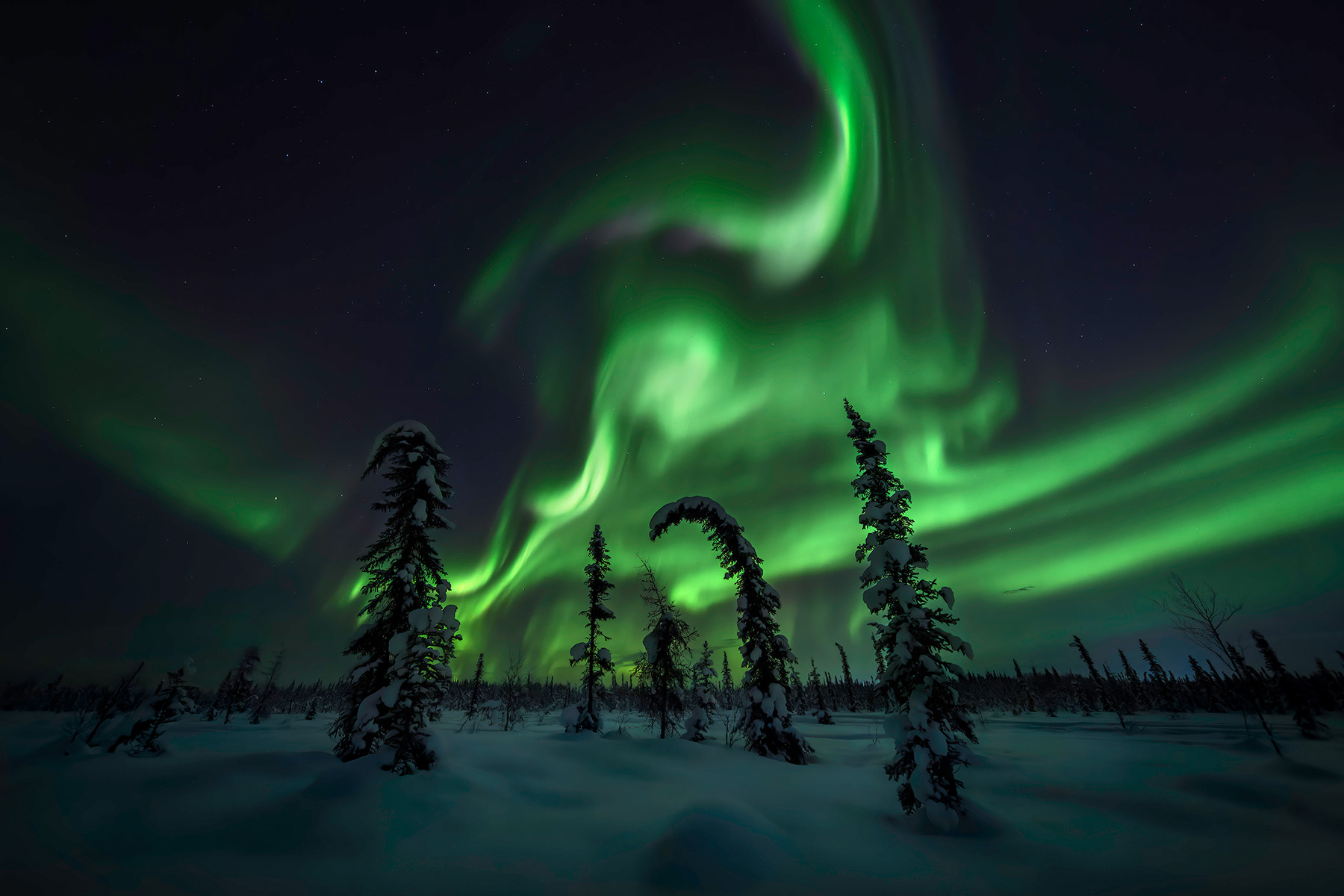
Introduction to Aurora Borealis
The Aurora Borealis happens when charged particles from the sun interact with Earth's magnetic field and atmosphere, creating visible light displays in the night sky. I've photographed the northern lights in Alaska's Arctic regions, and the displays range from faint green glows to active curtains of light that move across the entire sky in minutes.
Photographing the aurora requires specific technical knowledge. You need to understand long exposures, work with high ISO settings without too much noise, manage focus in complete darkness, and compose while the light is constantly changing. The conditions are challenging—sub-zero temperatures, dark locations far from towns, and unpredictable activity levels that can shift throughout the night.
I run northern lights photography workshops in Alaska for photographers who want to learn how to capture the aurora properly. These cover the camera settings that work, composition techniques for aurora scenes, and how to read aurora forecasts and weather conditions to improve your chances. The workshops also put you in locations with minimal light pollution where the displays show up clearly.
If you're interested in photographing the northern lights, the workshops provide instruction and access to locations I've worked in over years of shooting aurora in Alaska.
Best Time to Photograph the Northern Lights of Alaska: Why Choose February / March?
February and March offer prime viewing for the northern lights of Alaska. During these months, increased geomagnetic activity around the spring equinox boosts aurora displays. Clear, dark nights combine with Alaska’s position under the aurora oval, creating perfect conditions for seeing and photographing the vibrant, dancing lights in the sky.
Witnessing the aurora borealis in Alaska is a lifetime opportunity to experience a natural wonder that draws photographers from around the world.
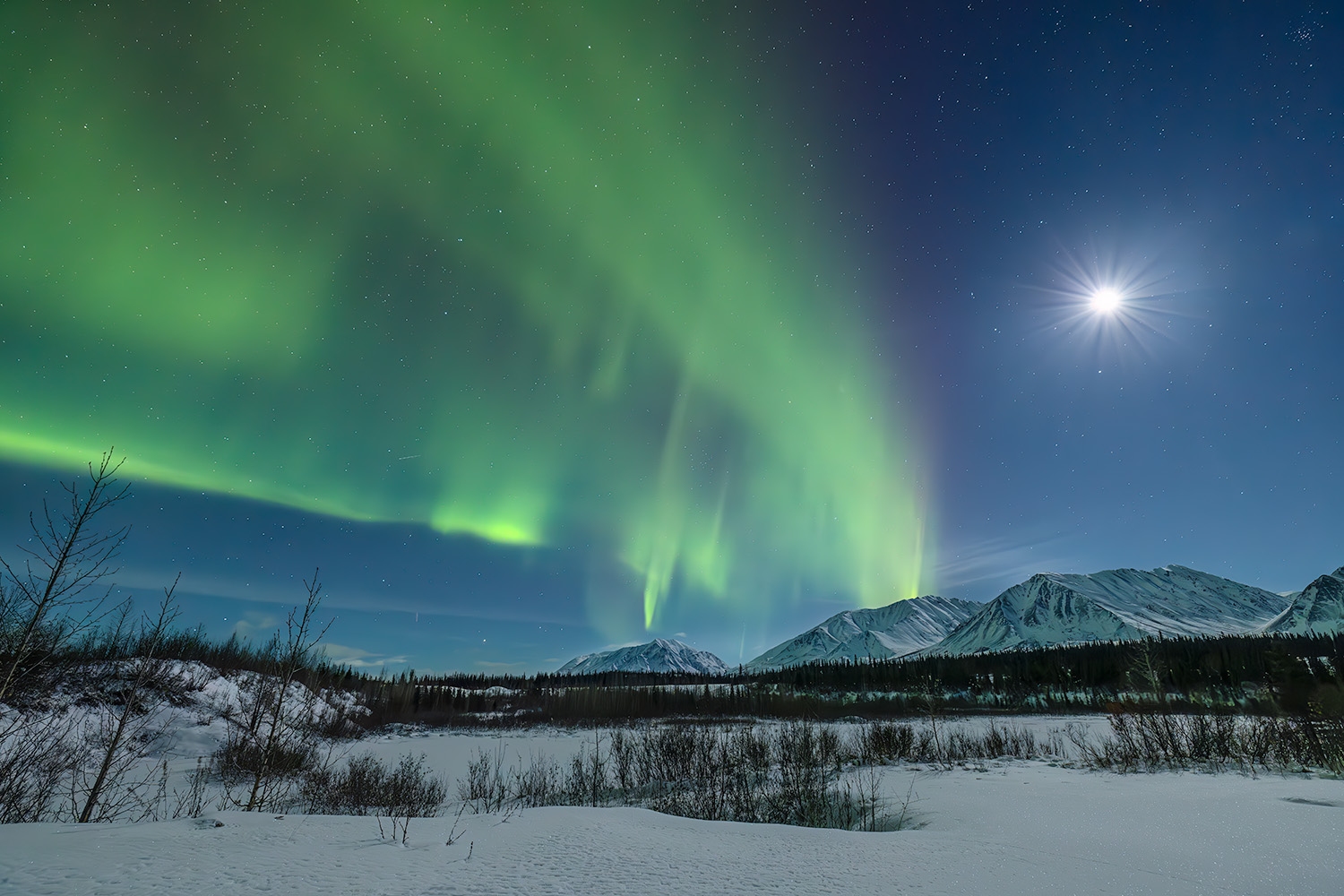
Experience the magic of Northern Lights photography in Alaska during the Spring Equinox. This exclusive workshop is designed to teach you how to photograph Northern Lights and capture the breathtaking Northern Lights of Alaska in their full glory. The main focus of the workshop is photographing the aurora borealis, but you’ll also have opportunities to capture stunning landscapes and wildlife in Alaska’s pristine wilderness. Experience one of nature’s most extraordinary spectacles during the full moon and spring equinox in Fairbanks, Alaska. Observe the mesmerizing northern lights as they gracefully illuminate the night sky, creating an unparalleled opportunity to capture timeless images and unforgettable moments. Each evening, our expertly guided excursions will lead participants to optimal locations with the clearest skies, ensuring the best vantage points to photograph this awe-inspiring phenomenon.
While forecasting the northern lights involves some uncertainty, March, during the spring equinox, is renowned as an exceptional period for aurora activity during this celestial event. Your experienced guide, Michael, will provide comprehensive support throughout the night, meticulously positioning the group in the ideal settings to witness and photograph the vibrant displays during their peak. The equinox period is particularly notable for its potential to trigger heightened auroral activity due to the unique alignment of the Earth’s magnetic poles.
Do not miss this rare opportunity to advance your astrophotography skills while experiencing an extraordinary adventure. Explore further details and secure your place now, as spaces for these exclusive workshops are limited and will fill quickly.
Check out my trip report from my: Alaska Fall Equinox Northern Lights Photography Workshop
Overview of the Workshops
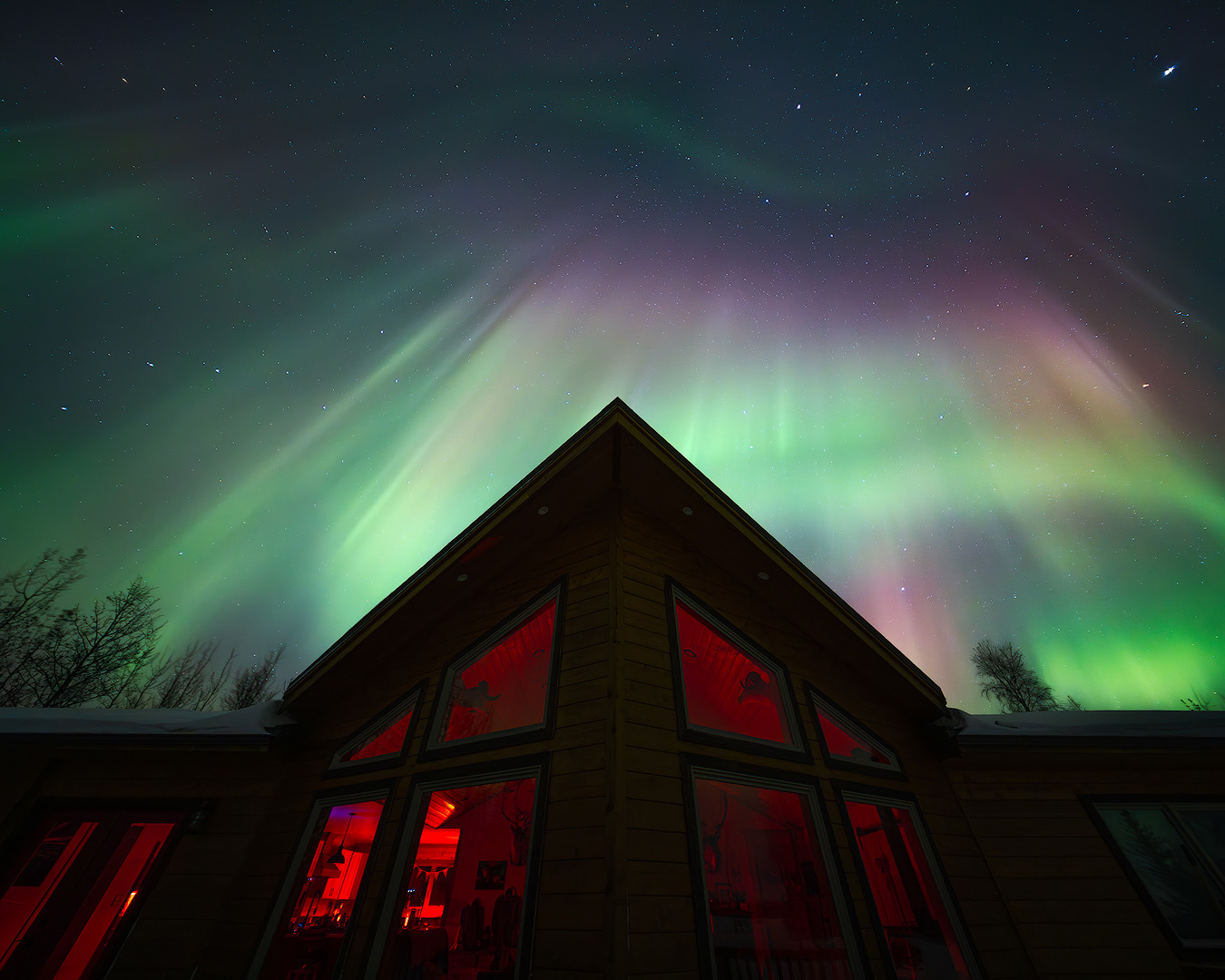
- Some nights we will find ourselves shooting at the Face The Outdoors Aurora Viewing Lodge, of which is our personal home that we operate our nightly northern lights viewing throughout the aurora season.
- The Spring Equinox Northern Lights Photography Workshop in Fairbanks, Alaska is a photo expedition designed for photographers seeking to capture the aurora, enhancing participants' photography skills under the guidance of instructor Michael Schultz, a born and raised Alaskan local expert in landscape photography.
- The workshop scheduled for February 27 to March 7, 2026, is timed with the full moon to provide additional illumination, enhancing the mid-ground, foreground, and background for photographers. This setting offers a valuable opportunity for participants to enhance their skills in capturing the northern lights with their compositions and build their own northern lights photo portfolio.
- The workshop scheduled for March 20-28, 2026, is timed around the spring equinox to take advantage of the effects the equinox has on the northern lights without the presence of the moon. This setting offers a different opportunity for participants to enhance their skills in capturing the northern lights with their compositions and create unique northern lights photos.
- Participants will benefit from Michaels local knowledge of Alaskas breathtaking landscapes, which helps them find optimal settings for stunning aurora photography.
- Attendees will gain practical, hands-on instruction tailored to their skill levels, focusing on camera gear, settings, composition, and advanced techniques for landscape and northern lights photography.
Pre-Tour Preparation for Northern Lights Photography Tours
Before heading out on a northern lights photography tour, you need the right gear. A camera with manual controls is essential—you'll be adjusting settings constantly based on aurora activity. Bring a sturdy tripod that can handle wind and uneven ground. A wide-angle lens works best for capturing large sections of sky, typically in the 14-24mm range for full frame or equivalent for crop sensors.
The best aurora displays happen on cold, clear nights. Dress in layers—base layer, insulation, and a windproof outer shell. Insulated boots rated for sub-zero temperatures are necessary since you'll be standing still for extended periods. Hand warmers help keep fingers functional for operating camera controls.
Research your location beforehand. Alaska, Iceland, and northern Scandinavia offer good aurora visibility, but within those regions, you need to find spots with minimal light pollution and check typical weather patterns for the dates you're considering. Aurora forecasts (KP index and solar activity) help you understand when displays are more likely.
Your camera should perform well at high ISO—typically you'll be shooting between ISO 1600-3200 or higher depending on aurora brightness. A remote shutter release or intervalometer prevents camera shake during long exposures. Learn the basics of aurora activity before you go: what causes it, how to read forecasts, and what the different KP levels mean for visibility.
Night photography in these conditions has specific challenges—batteries drain faster in cold weather (bring extras and keep them warm), autofocus doesn't work in darkness (learn manual focus techniques), and condensation can fog lenses when moving between warm and cold environments. Understanding these issues before your first shoot saves time in the field.
Northern Lights Photography Techniques: What You'll Learn in Alaska
Workshop Highlights
Expert Guidance on Photography Techniques
- The Northern Lights Photography Workshop in Fairbanks, Alaska provides hands-on guidance from experienced instructor Michael Schultz, who teaches participants to refine their skills in landscape and night photography.
- Michael's deep-rooted connection to Alaska, having been born and raised here, provides you with the advantage of his extensive local knowledge,including opportunities to photograph arctic landscapes unique to Alaska.
- Participants in the workshop will learn essential techniques for night shooting, composition, and advanced methods crucial for capturing the auroras vibrant displays.
- Michael's local knowledge of Alaskas landscapes helps leverage composition to create optimal settings for photographing the Northern Lights, enhancing the overall photographic experience.
- Attendees will have practical assistance in mastering long exposures and framing the perfect shot, vital for successful night photography.
- The workshops encourage a collaborative atmosphere where photographers of all levels can exchange ideas, leading to creative growth and improvement in their craft.
- The World Ice Sculpture Competition in Fairbanks attracts talented sculptors from around the globe to showcase their skills in this thrilling event.
- An in-depth analysis of the scientific principles behind the northern lights and methods for observing, tracking, and capturing this natural phenomenon.
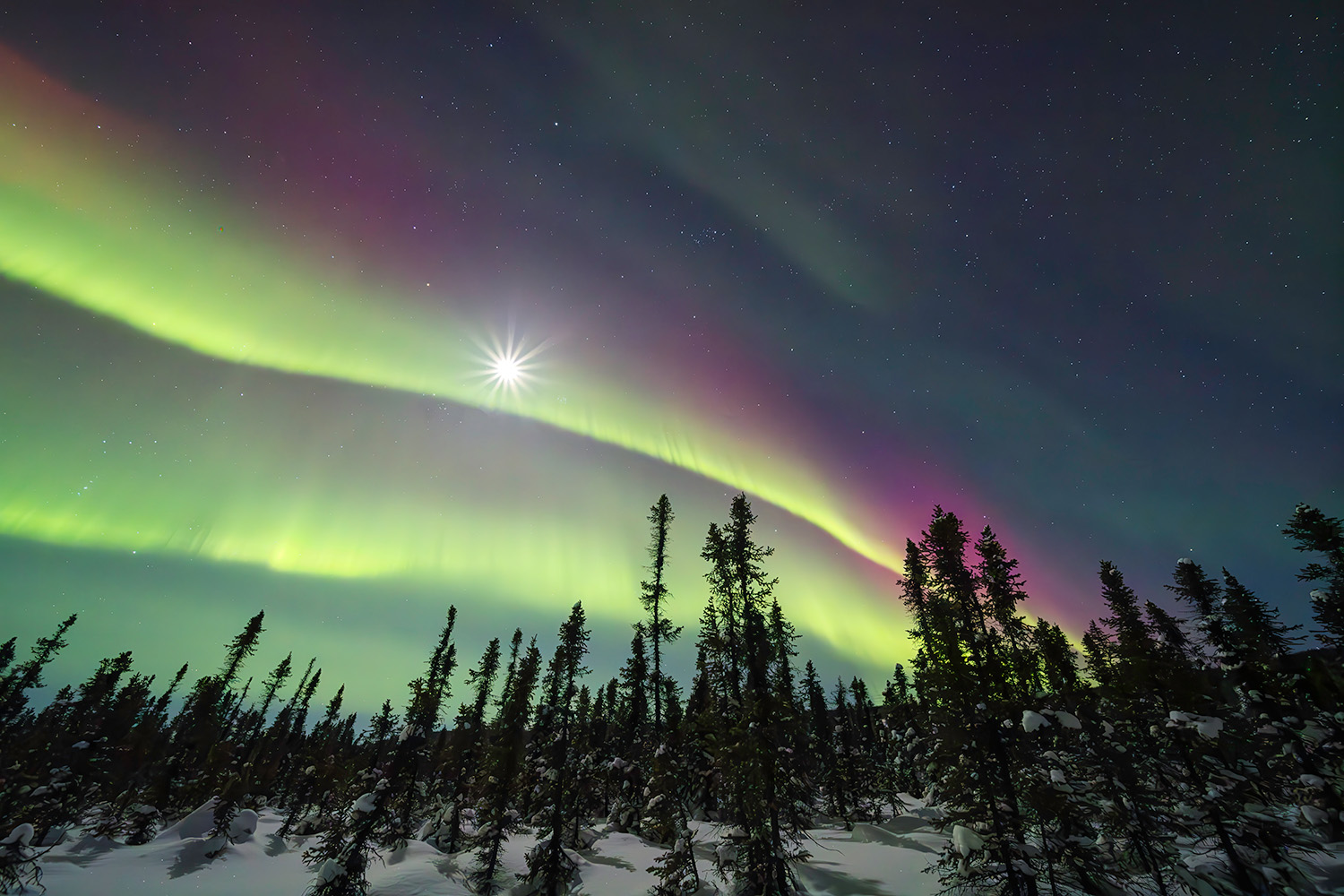
INSTRUCTION PROVIDED DURING THE WORKSHOPS INCLUDES:
- A guided photography tour of Alaska by Michael Schultz, born and raised here in Alaska
- Long exposures night time photography
- Shooting in manual mode (Shutter speed, aperture, ISO, depth of field)
- Lens selection for composition and lighting
- Creating stunning compositions (rule of thirds and simplicity)
- Finding foreground elements
- Capturing grand landscape photos
- Creating panoramic images
- Focus stacking, bracketing, histogram usage
- Understanding the concept of capturing fine art landscape photography and nature photography
- Understanding visual design, composition and the use of negative space
- Understanding and working with light
- Understanding the methodology behind long exposure and night photography
- Understanding how, when and where to use various filters
Personalized Camera Instruction
- The northern lights photography workshop led by Michael Schultz offers personalized camera instruction tailored to enhance the skills of photographers at any level, ensuring an engaging and supportive learning environment.
- Participants in the workshop benefit from hands-on night photography instruction, which includes personalized mentoring and guidance on recognizing optimal conditions for capturing aurora displays.
- The small group size, limited to 10 participants per scheduled week, allows for maximum personalized instruction and enables attendees to receive individual feedback and support from Michael.
- Michael Schultz’s relaxed teaching style fosters an atmosphere where photographers can confidently explore their camera gear, settings, and composition techniques.
- The workshop includes lectures on advanced photography techniques, emphasizing the fundamental principles necessary for capturing stunning images of the aurora borealis and Alaskas landscapes.
What’s Included in the Alaska Northern Lights Photography Workshops?
The Workshop Information
My Alaska Spring Equinox workshop offers the ultimate Northern Lights photography experience. With expert guidance, you’ll learn how to photograph the northern lights of Alaska and create stunning images of the in some of the most iconic locations.
Dates: February 27/March 7, 2026 (with moon)
March 20-28, 2026 (no moon)
Group Size: Limited to 10 people each week
Cost: $4,950.00pp
Workshop Difficulty: Easy
Deposit: 50% deposit due at the time of booking to reserve your spot with remaining balance due 60 days before the start of the workshop. Or you can pay in full.
Included: 8 nights of Lodging, Guiding/Transportation, Airport transfers, admission to the World Ice Sculpture Competition held in Fairbanks, extensive local knowledge, I ensure photographers are positioned in the best locations to capture breathtaking images with ideal lighting and compositions.
Not Included: Airfare, Alcohol, Meals, Lodging outside of workshop dates 2/27-3/7 and 3/20-28, Gratuities.
Booking: Please note that full payment for the workshop is required 60 days prior to the event. Refunds will only be issued if I can find a replacement for your spot. Don't miss out on this incredible opportunity!
Michael was very helpful and patient in setting up our cameras so we could capture the Aurora Borealis well. He gave us tips along the way how to chase auroras and understand the various important parameters to explain the behavior of the auroras. This gave me a deeper appreciation of auroras for both the beauty that they create but also the technical aspects. Cheers and more power to Michael! Mel Jack
RETURNING FTO PARTICIPANTS GET 10% OFF AS OUR WAY OF SAYING THANK YOU FOR YOUR CONTINUING SUPPORT AND BUSINESS!
Reserve Your Spot Below!
Location Details
- Interior of Alaska is considered the best location for experiencing and photographing the Northern Lights due to its position within the aurora oval and minimal light pollution, which enhances the frequency and quality of auroral displays.
- Clear, continental climate conditions of the Interior of Alaska provide more favorable nights for aurora viewing compared to coastal areas, making it an ideal spot for photographers.
- The workshop is timed specifically to coincide with peak aurora activity during the spring equinox in March, offering a unique opportunity for capturing vibrant auroras.
- The timeframe for these workshops is historically known for clearer skies.
- The nearest airport is Fairbanks International Airport (FAI).
Accommodations
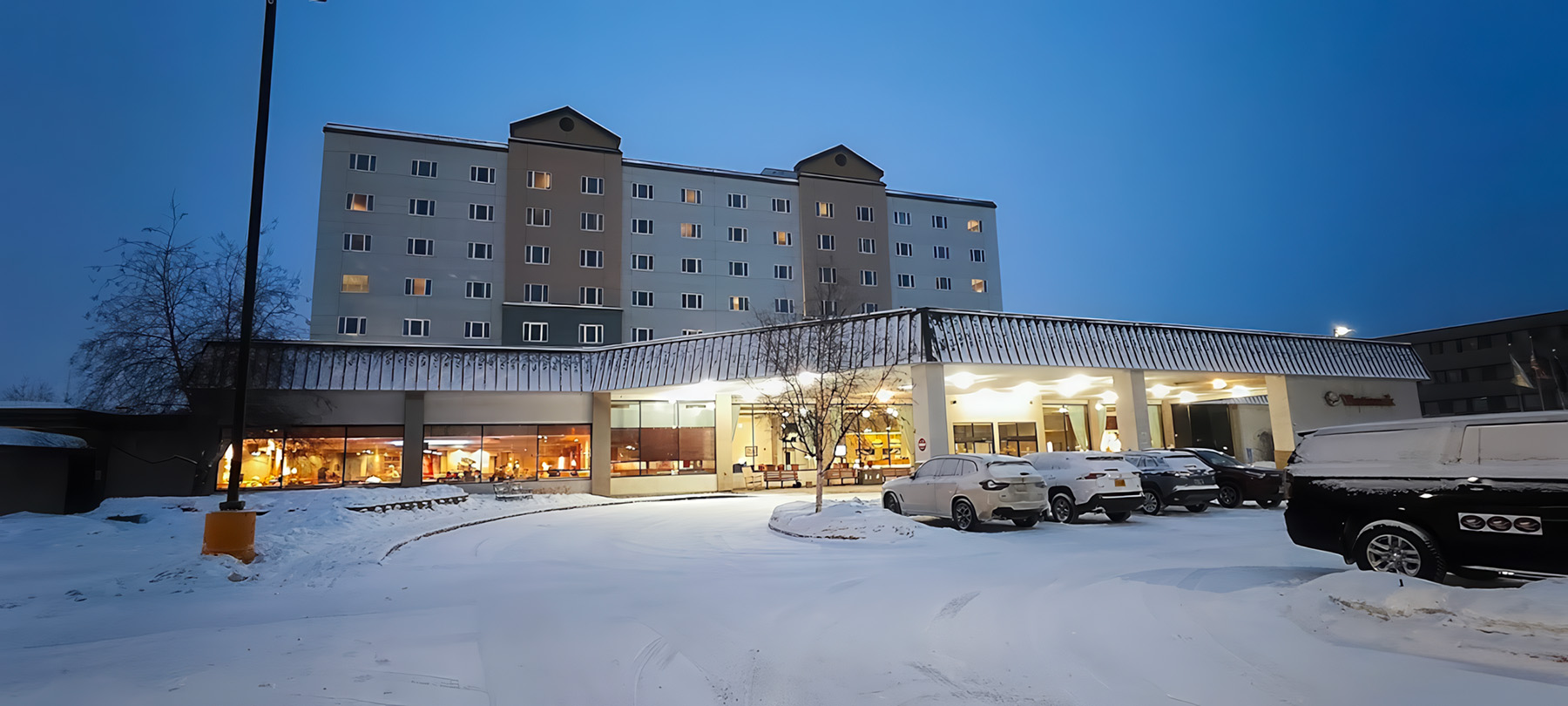
Workshop participants will be accommodated at the Westmark Hotel in Fairbanks. You don’t need to book your room; I've taken care of the arrangements, and your reservation will be secured once you sign up for the workshop. This is covered in the workshop fee. Fairbanks will serve as our base, offering flexibility to adapt to weather conditions, with various photo opportunities accessible within a few hours in either direction.
Expert Guide for Photographing the Northern Lights of Alaska
Workshop Instructor
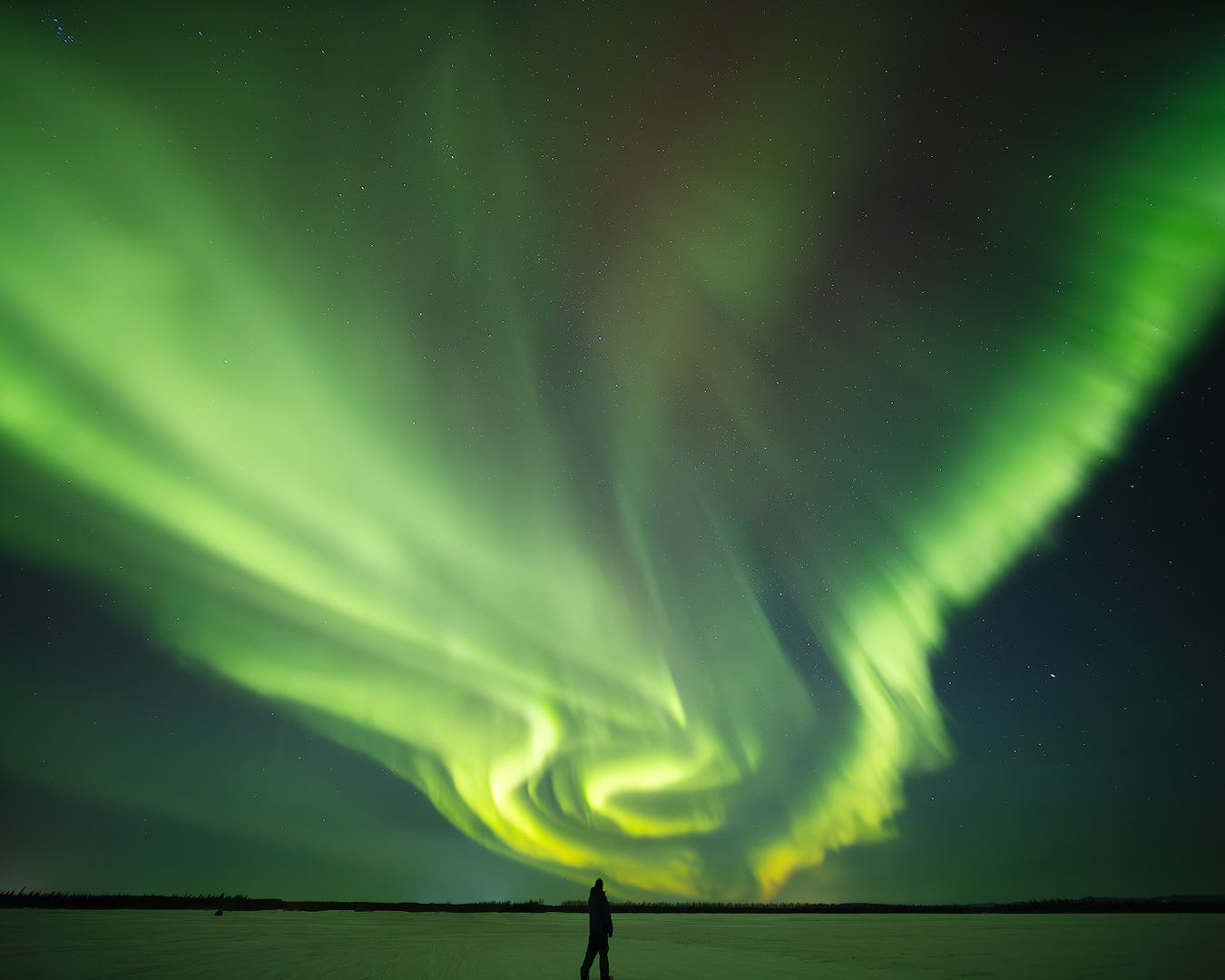
Led by Michael Schultz, a local born and raised Alaskan with deep expertise in landscape photography, this Northern Lights Photography Workshop is designed to elevate your skills. Renowned for his relaxed and engaging teaching style, Michael creates an environment where photographers of all levels can confidently explore camera gear, settings, composition, and advanced techniques. Michael’s local knowledge of Alaska’s most breathtaking landscapes ensures participants capture stunning aurora displays in optimal settings. With his guidance, you’ll sharpen your northern lights and landscape photography skills, whether you’re mastering long exposures or learning to frame the perfect shot. This workshop is a must for photographers who want to refine their craft while experiencing the unparalleled beauty of Alaska’s night skies. Don’t miss the chance to take your photography to the next level.
I encourage you to join either of my upcoming spring equinox aurora workshops, and I'm available for any questions you might have. Email Michael
What will we photograph
On this bucket list adventure our photography will include these stunning opportunities for you to capture
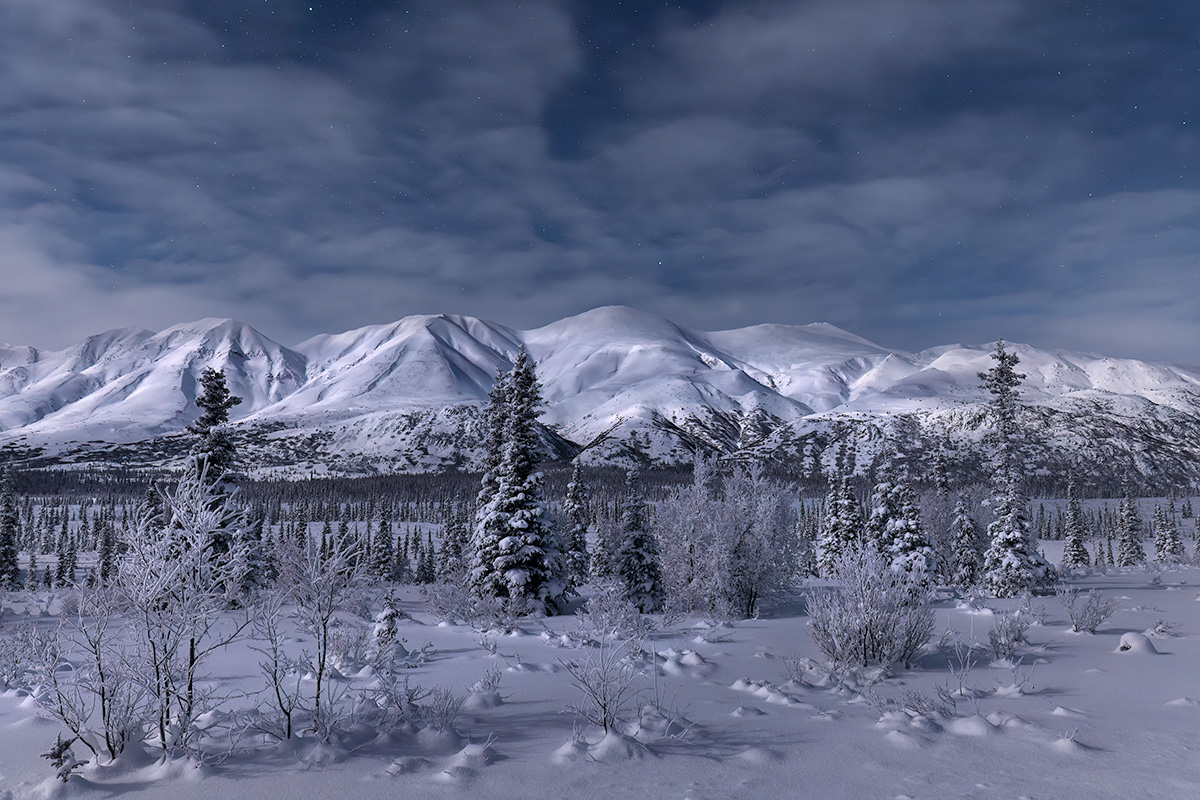
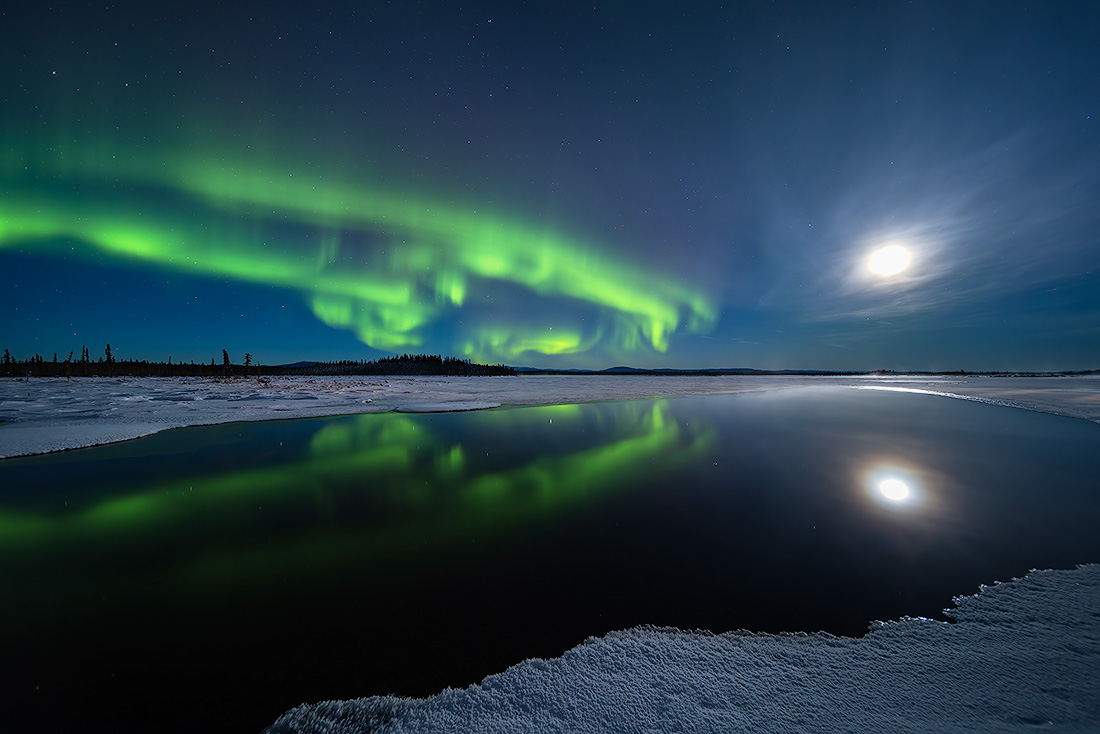
- Alaskan landscape under moonlight
- Northern Lights
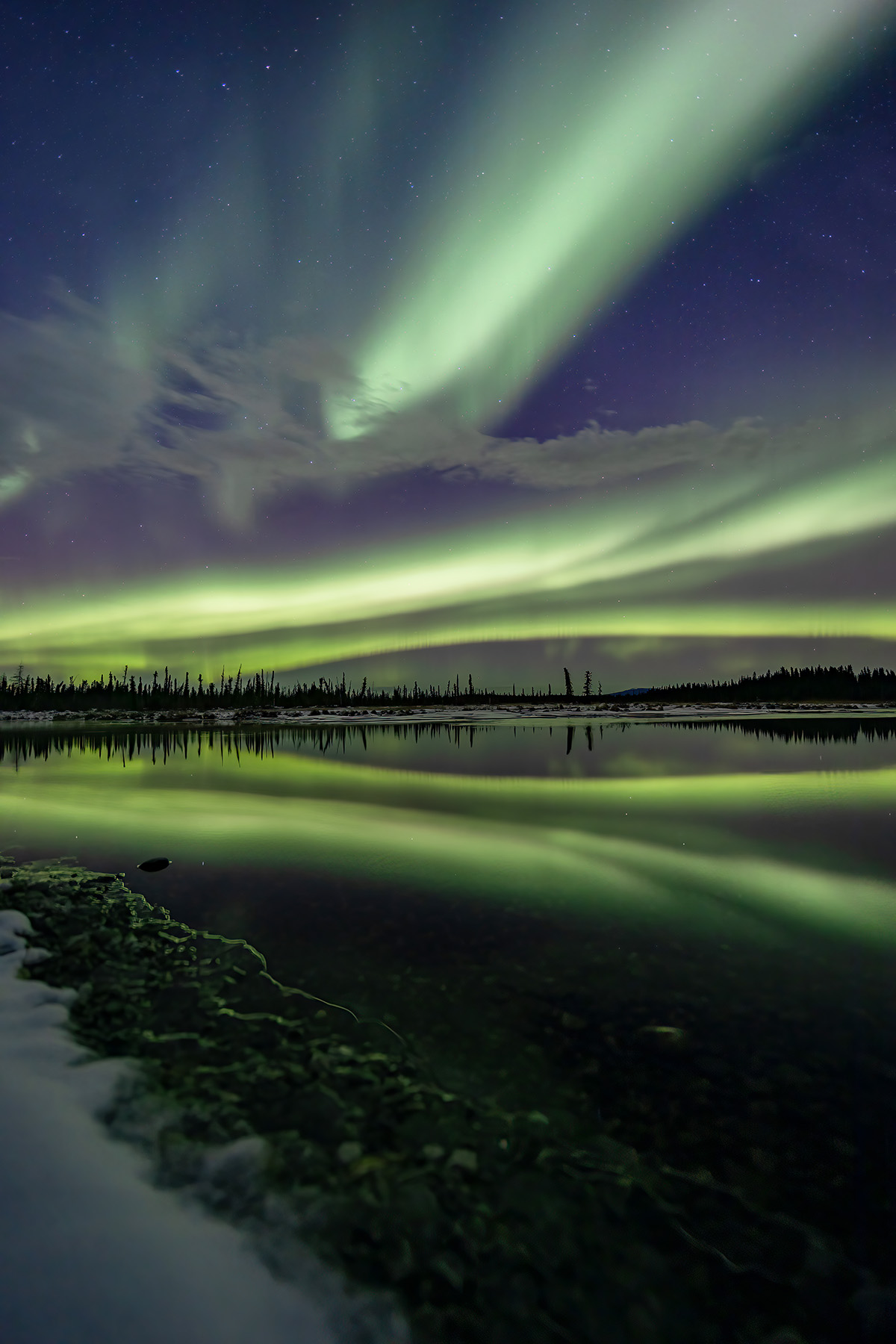
- Reflections of aurora on open water
- Sunsets amongst dramatic landscapes
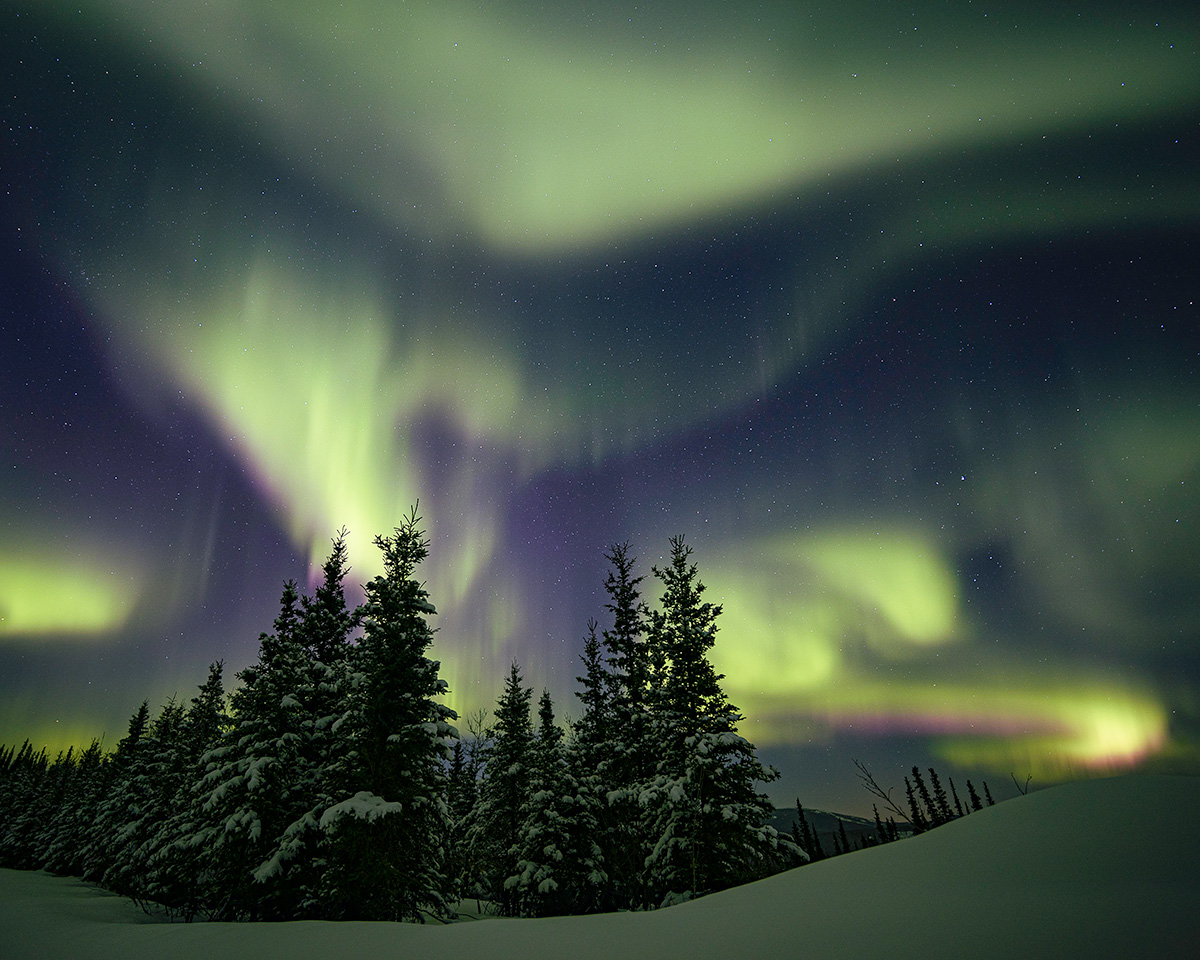
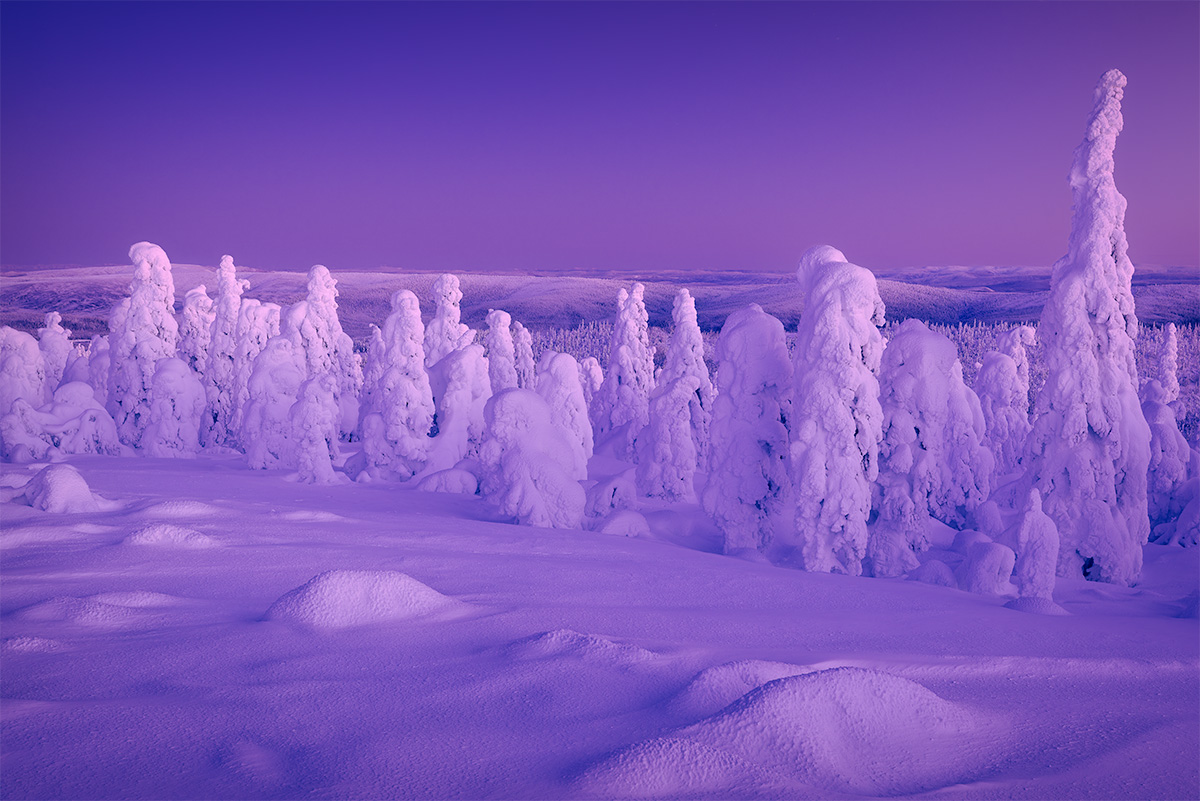
- The Enchanted Forrest
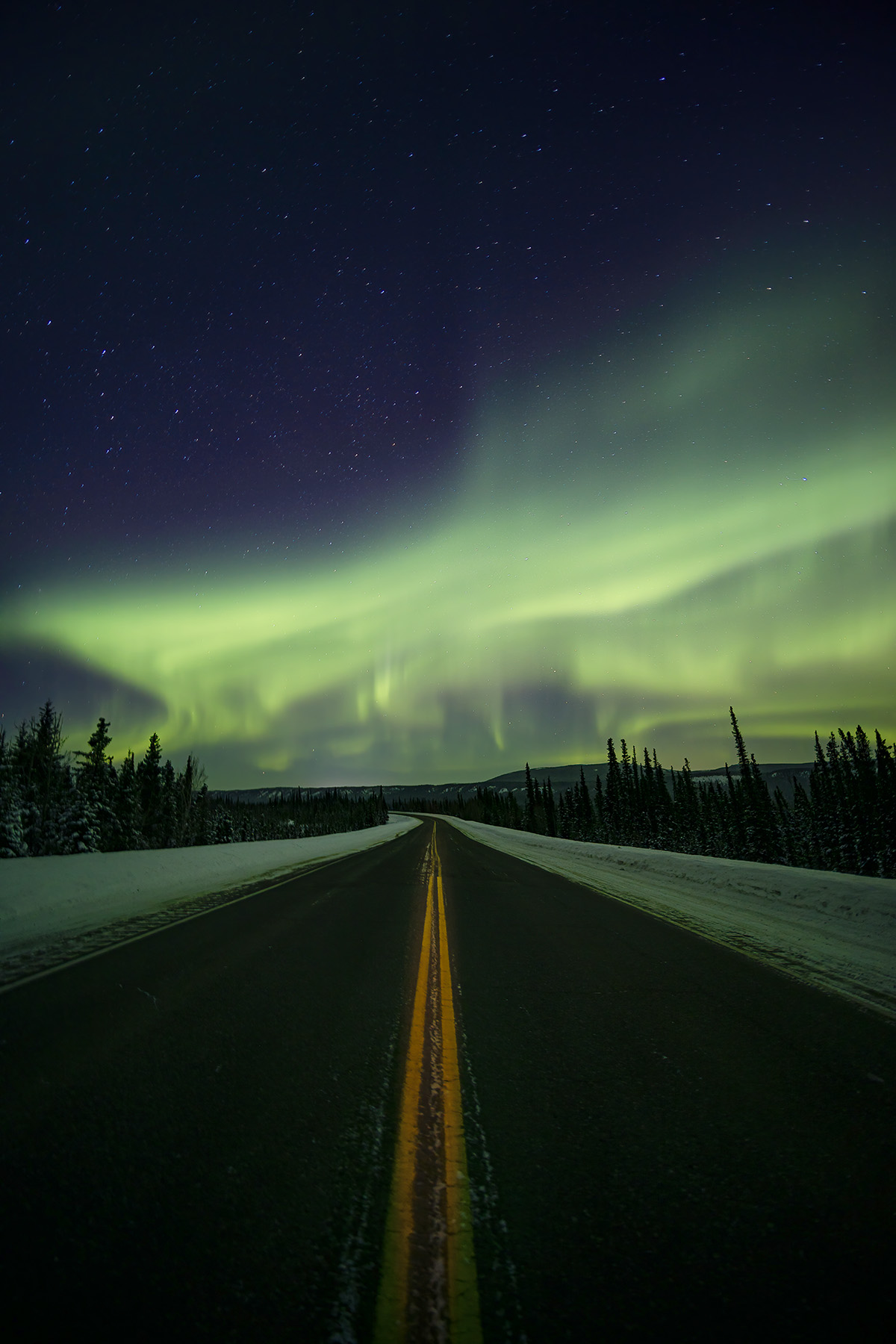
- The famous Dalton Highway
- The Trans-Alaska Pipeline
- Snow capped mountains
- Potential wildlife that may include caribou, moose, wolves, fox, and lynx
- Ice Sculptures at the World Ice Sculpture Competition held in Fairbanks
Alaska Aurora Workshop Schedule and Night Photography Activities
The Schedule
Workshops are scheduled to begin on the evenings of February 27th and March 20th. Hotel check-in is available at 3 PM, although the hotel does not provide a shuttle service. Therefore, attendees should share their flight details with me for pick-up upon arrival. I will also handle transportation back to the airport at the conclusion of the workshops on March 7th and March 28th. After check-in, we'll gather for a meet and greet dinner before embarking on our first evening of Northern Lights viewing. It is recommended to arrive early enough on these days, prior to the dinner and activities. Our photography locations will be determined by weather conditions, potentially taking us up to four hours from Fairbanks into the Alaskan Interior, away from urban light pollution. Please be aware that restroom facilities may be sparse at certain shooting locations. Prepare to witness the spectacular Northern Lights!
Depending on the week you register, we’ll have time prior to the meet-and-greet dinner to organize your camera equipment and prepare for that evening’s shoot.
During the afternoons we will set aside time to meet and go over any post processing questions and techniques. For those feeling up for heading out prior to dinner for some wildlife/landscape photography we can make that happen, just be prepared to head back out chasing the lights that night.
Because these workshops depend on weather conditions, there will not be a fixed schedule. We might need to leave earlier than usual if we face a long drive, ensuring everyone arrives at the location before the northern lights appear. The timing will also be influenced by the specific shooting locations chosen for compositions. Everyone will be notified of times beforehand.
Prepare for chilly weather with temperatures ranging from 10°F to -30°F, and dress in layers since we'll sometimes be at higher elevations. Remember, we're still in the Interior of Alaska, where winter's presence lingers. Depending on weather conditions and solar activity, we might be out until the early morning hours to capture the best photographic moments and travel up to 200 miles. The relaxed and enjoyable atmosphere will provide an excellent experience, allowing you to boost your photography skills. Each workshop concludes on the mornings of March 7th and March 28th, with checkout at the Westmark scheduled for 11 AM. I will ensure your timely return to the airport for your flight home.
The Itinerary
Day 1: Check in at the Westmark Hotel at 3 PM. Organize your camera gear, then gather in the lobby at 6 PM for a meet-and-greet dinner at the hotel restaurant. Details about the departure time, outing location, and expected compositions will be provided.
Day 2-7: Throughout the day, there will be chances based on how everyone feels to explore the sights of the Eastern Alaskan Range, providing excellent opportunities for photography and wildlife observation, especially since caribou and moose are in the area during this time. We will pause for lunch either by stopping somewhere or grabbing something to take along, depending on our travel plans. If the weather permits, this could also be a good time to process photos from the previous night and address any post-processing inquiries. Our final group dinners are scheduled for the nights of February 6th and March 27th. Additionally, we will choose an evening to attend the World Ice Sculptures Competition in Fairbanks. Weather conditions permitting, we will also aim to photograph the Enchanted Forest on the Dalton Highway at sunset and under the moonlight, as well capture the northern lights.
Day 8: Today marks the conclusion of our time together here in Alaska. As we prepare to depart, let us reflect on the memorable experiences we have shared and the beautiful images stored on our SD cards. These memories will remain with us forever. I will facilitate a safe transfer to the airport for all participants returning home. Thank you for being a valued part of this journey.
Lodging, Travel, Transportation
Lodging at the Westmark Hotel is included with single occupancy. It is located in downtown Fairbanks. You do not need to make a hotel reservation during the dates of the workshops Feb 27th-March 7th, and March 20-28th 2026. I have secured rooms with single occupancy so everyone will have their own room. I will reserve your room for you and email you with the your room information after registering. If you choose to extend your stay, you will need to arrange your own accommodations outside of the workshop dates.
Amenities include restaurant, Free WiFi.
Note: Rooms are only booked and scheduled for each workshop during the dates of Feb 27th-March 7th, and March 20th-28th. If you arrive in Fairbanks the day before, please be sure to set up your own hotel accommodations and let me know where you are staying so I can pick you up.
Travel: Please ensure your arrival in Fairbanks is no later than February 27th or March 20th, depending on your registration week, no later than 6 p.m. This will allow you to attend the meet and greet dinner and join us for our first evening of photographing the northern lights.
Transportation: We will be traveling in a 15 passenger van, by keeping the group small there should be plenty of room for everyone and their gear, but please pack accordingly.
Essential Gear Recommendations for Photographing the Northern Lights of Alaska
Some shooting locations may involve short hikes over uneven terrain with mild elevation gains. These remote spots offer stunning views, ideal for capturing the aurora borealis and enhancing your landscape photography experience. Recommended clothing and equipment are listed below to ensure you’re prepared for this photography workshop.
Clothing:
Warm base layers (avoid 100% cotton; choose smart wool)
Heavy Parka rated for -20F/-30F
Warm hoodie or sweatshirts, think in layers
Snow pants/bibs rated for -20F/-30F
Beanie, gloves
Smart wool socks
Hand and toe warmers
Footwear:
Good snow boots rated for -20F/-30F
Equipment:
Headlamp with a red light (essential for low-light conditions in preserving your night vision)
Essentials:
Water bottles
Snacks (for those long and chilly nights of photography)
2 gal Jumbo ziplock baggie (the ones with the slider top to close work best)
Silica packets (to put in the ziplocks to absorb any moisture after shooting in cold temps)
Springtime in Alaska presents excellent opportunities for photographers, though the weather can be unpredictable. As daylight hours increase, the nights remain quite cold. Preparation is crucial to ensure comfort and to successfully capture stunning Alaskan landscapes. Despite sometimes facing extreme cold, nighttime temperatures can drop to the low -20s and -30s, with daytime highs usually ranging from -10 to +20°F. Packing appropriately will allow for enjoyable photography sessions and help photographers make the most of Alaska's stunning spring scenery. Being well-prepared enhances comfort and focus.
Why This Is the Ultimate Workshop For Photographing The Northern Lights Of Alaska?
Who Should Attend This Workshop
The Spring Equinox is one of the best times for Northern Lights photography in Alaska. With longer nights and clear skies, this workshop provides unparalleled opportunities to capture the vibrant Aurora Borealis. This Fall Equinox Photography Workshop is ideal for a diverse range of photography enthusiasts, from budding amateurs to seasoned professionals looking to enhance their skills not only in capturing the mesmerizing northern lights but also in landscape and nature photography. Here’s a closer look at who will benefit most from this unique experience:
- Nature Lovers and Photographers:
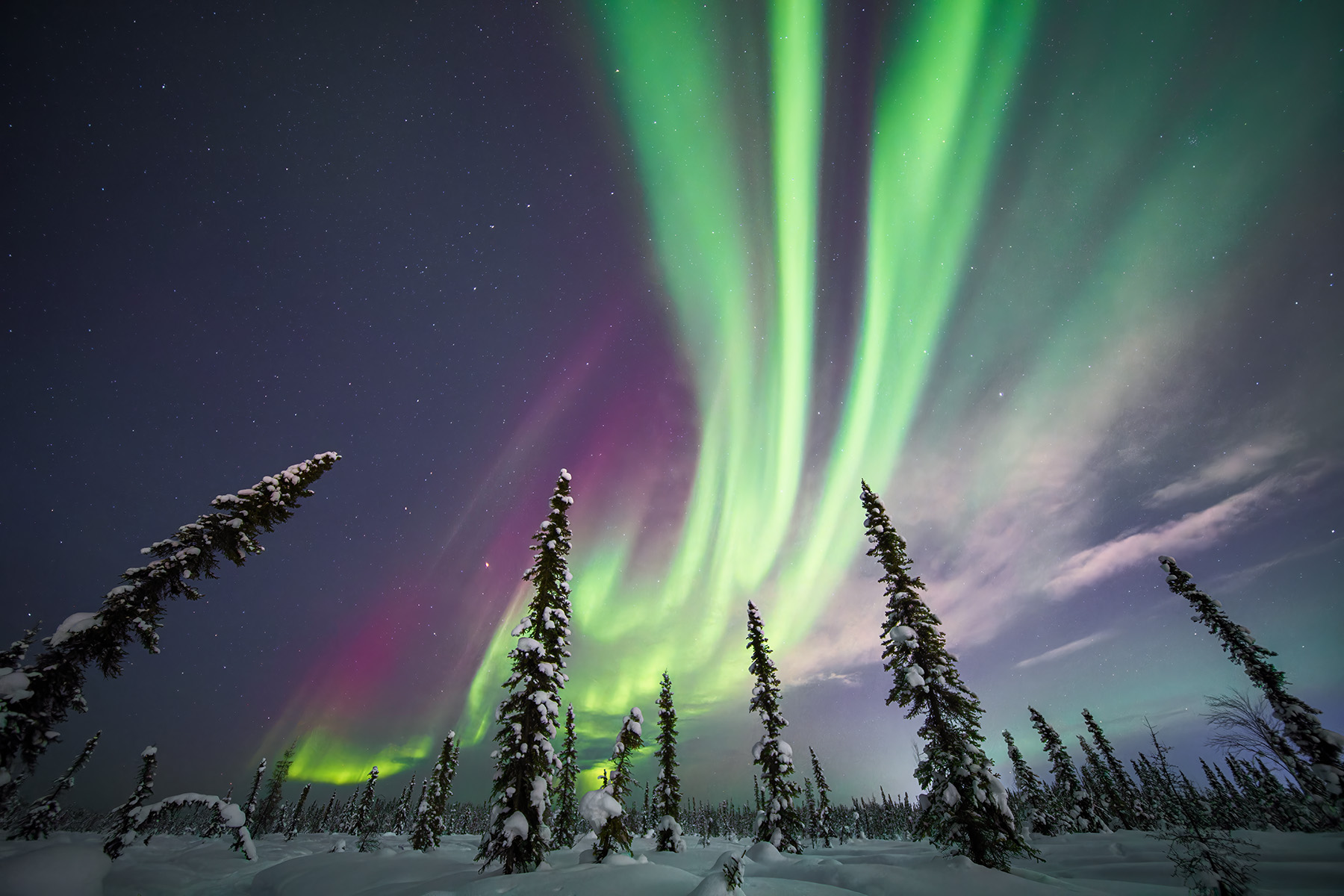
If you have a passion for the outdoors and an eagerness to capture the natural beauty of the landscape and night sky, this workshop offers an unparalleled opportunity. The enchanting auroras of Alaska, combined with stunning landscapes of forests, mountains, and rivers, provide an ideal backdrop for photographers looking to expand their portfolios.
- Aspiring Night Sky Photographers:
For those who are new to landscape and astrophotography or looking to improve their low-light shooting techniques, this workshop is perfect. Participants will learn various methods, such as multiple exposure blending and timelapse shooting, guided by an expert instructor who prioritize hands-on learning. Whether you’re just starting out or have some experience, the instructional support will elevate your skills and confidence.
- Intermediate and Advanced Photographers:
More experienced photographers will appreciate the opportunity to refine their techniques and explore advanced concepts in landscape and night sky photography. The workshop will provide insights into post-processing methods and equipment usage, enhancing your ability to capture the aurora’s beauty in innovative ways. The small group setting ensures personalized feedback and guidance tailored to your unique needs.
- Adventurers Seeking Unique Experiences:
If you’re an adventure seeker with a love for travel and exploration, this workshop is an exciting way to immerse yourself in Alaska’s breathtaking wilderness. The chance to photograph the auroras while learning from a local expert adds an enriching layer to your travel experience, making it both educational and memorable.
- Anyone Looking for a Creative Retreat:
This workshop offers a unique blend of photography instruction and personal reflection during a week spent in a stunning natural environment. If you’re seeking a creative retreat away from the hustle and bustle of daily life, the tranquility of Alaska in March, combined with the awe-inspiring landscapes, nature, and the auroras, provides the perfect setting for inspiration and rejuvenation.
In summary, whether you are a passionate beginner eager to learn or an experienced photographer looking to capture the magic of the northern lights, this workshop promises to be a transformative experience. Join us for an unforgettable journey into the heart of Alaska’s stunning spring landscape and unlock the secrets of capturing the aurora in all its glory!
This was the most amazing Aurora tour ever! Michael was an awesome guide, photographer and host. He drove us far from the city lights and we watched the Aurora all night. We were lucky to have clear skies. He is an awesome photographer and helped me with my camera as well. Unforgettable! I highly recommend this tour! Sudan Bulan
Essential Camera Gear Recommendations
To capture the stunning beauty of the Northern Lights, you'll need to adjust your exposure settings based on their brightness, ranging from 5 to 25 seconds. Don't forget to use a cable release for your camera, or set it to a 2-second delay for optimal results! Note that items marked with (*) are optional.
- DSLR or mirrorless or camera that can handle high ISO values
- Suggested Lenses 12-16mm wide angle lens,*20mm Prime, *24-70mm,*70-200mm, *100-500mm
- Wide angle lens should have a minimum aperture of F2.8 for shooting the aurora
- Solid tripod with a ball head (It is advisable to avoid low-quality tripods, such as those made from inexpensive plastic)
- Remote shutter release or built in 2 second delay
- Filters (Circular Polarizing Filter, Graduated ND Filters and Solid ND filters for those daytime/sunset exposures)
- Extra batteries; and charger keeping at least 3 full batteries charged and on your person every night; don't get caught out in the field with dead batteries.
- Memory Cards/Card Reader
- Microfiber Lens cloths, rocket blower, etc, keep your gear clean in the field lessens the chances of dust spots showing up in your photographs
- *Laptop for post processing (with Lightroom and Photoshop installed)
Reach out to Michael with any questions regarding your camera gear.
Attendees of this workshop can enjoy discounts on high-quality photography equipment, courtesy of our partnership with FLM.

FAQs About the Northern Lights of Alaska & Night Photography
CANCELLATION POLICY
Don’t miss your chance to master how to photograph northern lights and create unforgettable memories. Reserve your spot on the Alaska Northern Lights Photography Spring Equinox Workshop today! Check out my blog post on how to photograph the northern lights.