Lofoten Photography Locations: A Guide to Capture Arctic Beauty
Capturing the Soul of the Arctic Archipelago
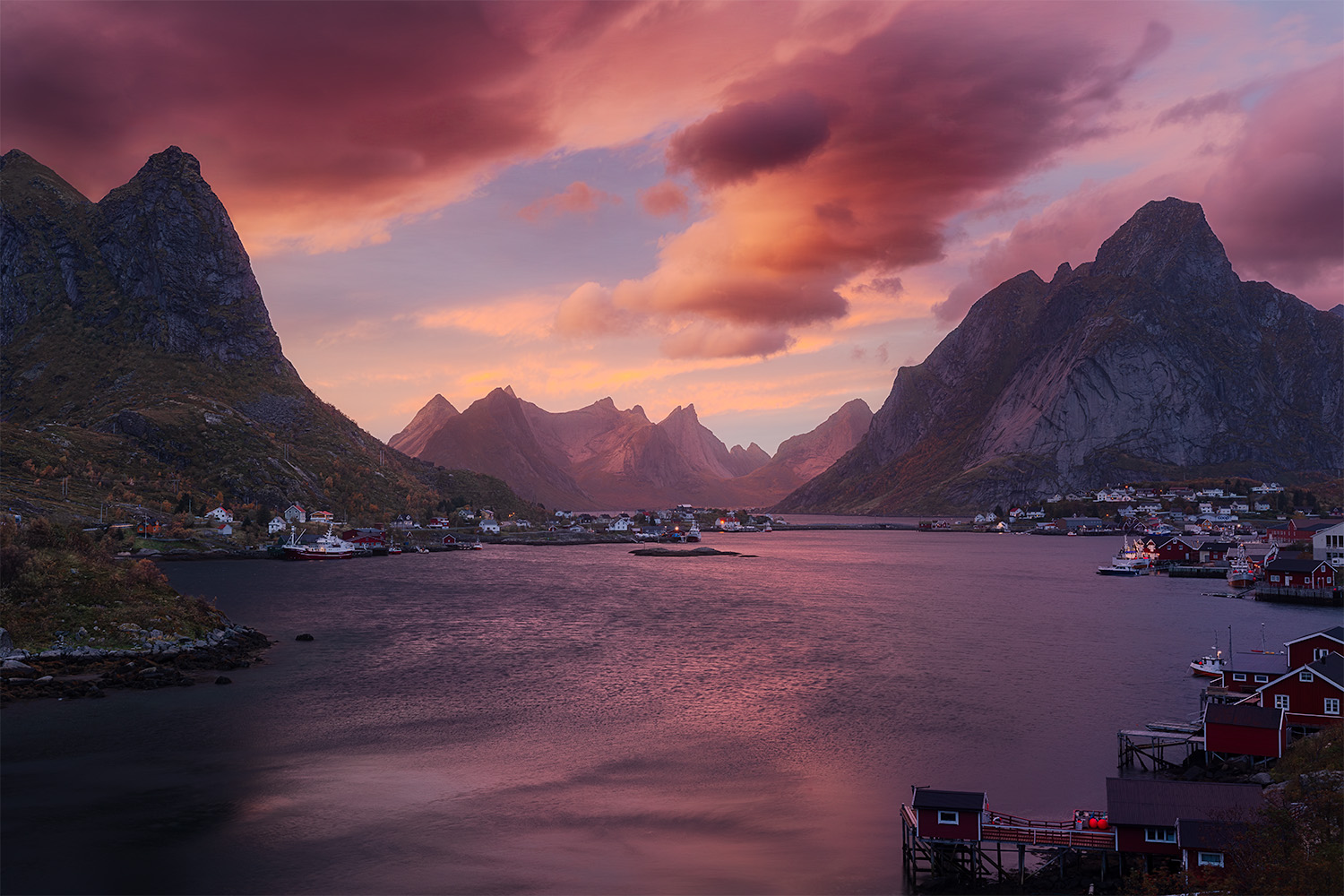
The Lofoten Islands, Norway, are not just a destination; they are an experience. Renowned for their unique natural scenery, the Lofoten Islands offer dramatic jagged mountains, sapphire fjords, and picturesque fishing villages that make them a must-visit for nature lovers and photographers seeking extraordinary photographic opportunities.
For a photographer, this Arctic archipelago in Northern Norway is a pilgrimage to a realm where jagged mountains plunge into sapphire fjords and the sky performs with a light unlike anywhere else on Earth.
Drawing from my personal experience photographing in the Lofoten Islands, I can attest that it’s a landscape of raw, untamed beauty, where charming red fishing cabins, or rorbuer, cling to the coastline, providing a stark, human contrast to the epic scale of nature. Photographing Lofoten is a challenge of endurance and patience, but the rewards are images that capture the very soul of the Arctic.
Where are the Lofoten Islands located and what makes them unique for photographers?
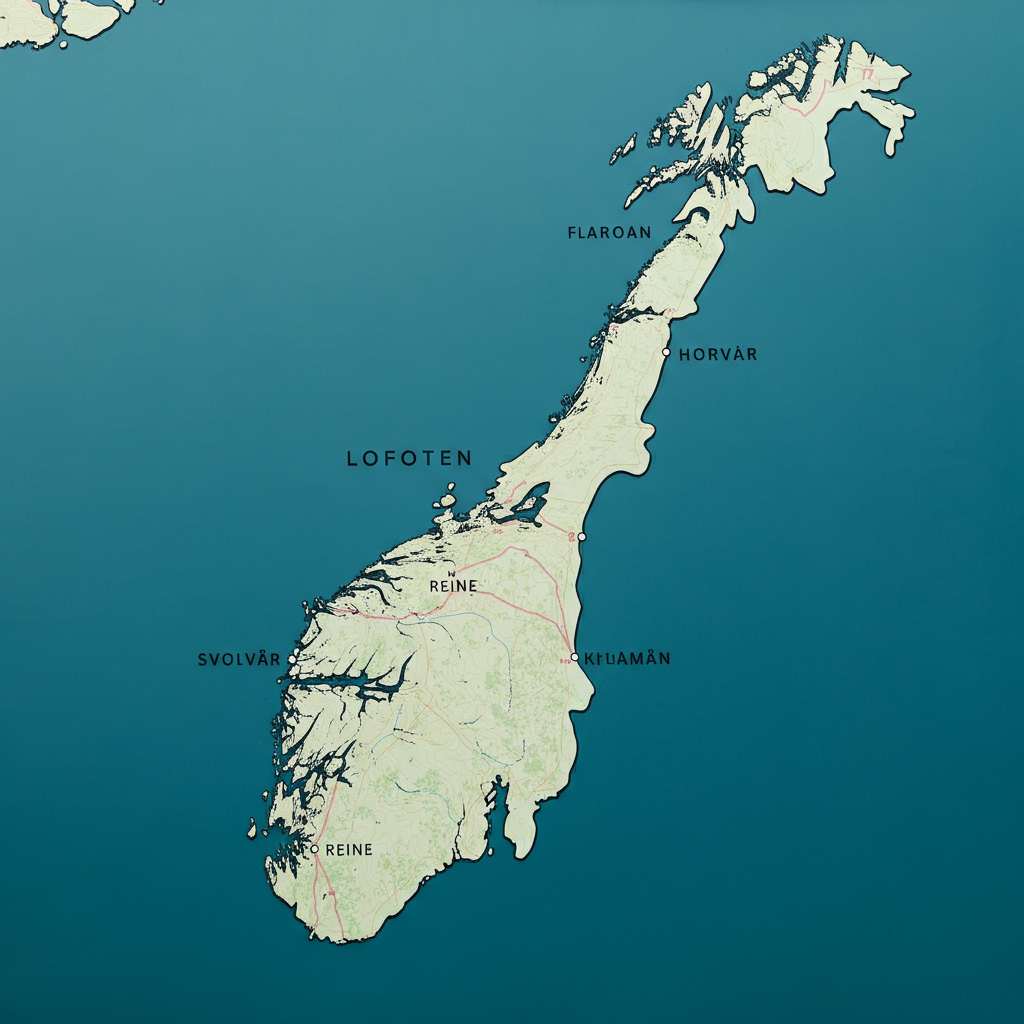
Situated entirely within the Arctic Circle, the Lofoten Islands are a chain stretching off the coast of mainland Norway. This extreme northern latitude is the primary reason for their photographic allure. The islands are widely regarded as a good location for photography due to their scenic views and accessibility, making them ideal for capturing a variety of subjects.
The low angle of the sun, even at midday, creates prolonged periods of soft, golden light that painters and photographers dream of. The dramatic topography, sculpted by ancient glaciers, means every turn along the main road reveals a new, breathtaking composition of peaks, sea, and sky.
How can I prepare for a photography trip to the Lofoten Islands?
Preparation is critical. This involves more than just packing your camera. A successful trip requires researching seasonal light conditions, understanding the notoriously fickle weather, —which can change in a few minutes—and planning a flexible itinerary. You must prepare for cold and wet conditions year-round, packing layered clothing and waterproof gear. For your equipment, this means extra batteries (cold drains them quickly), lens cloths for sea spray, and a sturdy tripod to withstand powerful winds.
The Irresistible Pull of Lofoten for Photographers
The magnetic pull of Lofoten lies in its primal landscapes and ethereal light. It’s the opportunity to capture the dancing aurora borealis over snow-dusted mountains, the endless glow of the Midnight Sun on pristine beaches, or the fleeting moments of a storm clearing over a remote fjord. For any photographer passionate about landscapes, travel, and adventure, Lofoten represents a pinnacle of creative possibility and is truly worth visiting.
What You'll Master in This Guide: Light, Landscapes, and Logic
This guide moves beyond a simple list of locations. It’s designed to equip you with the knowledge to master the three core elements of Lofoten photography: understanding and harnessing the unique Arctic light, composing powerful images within its iconic landscapes, and applying the logistical logic needed for a successful and responsible expedition. From seasonal timing to advanced techniques, you will learn to not just see Lofoten, but to interpret it through your lens.
Decoding the Arctic Light: A Photographer's Masterclass
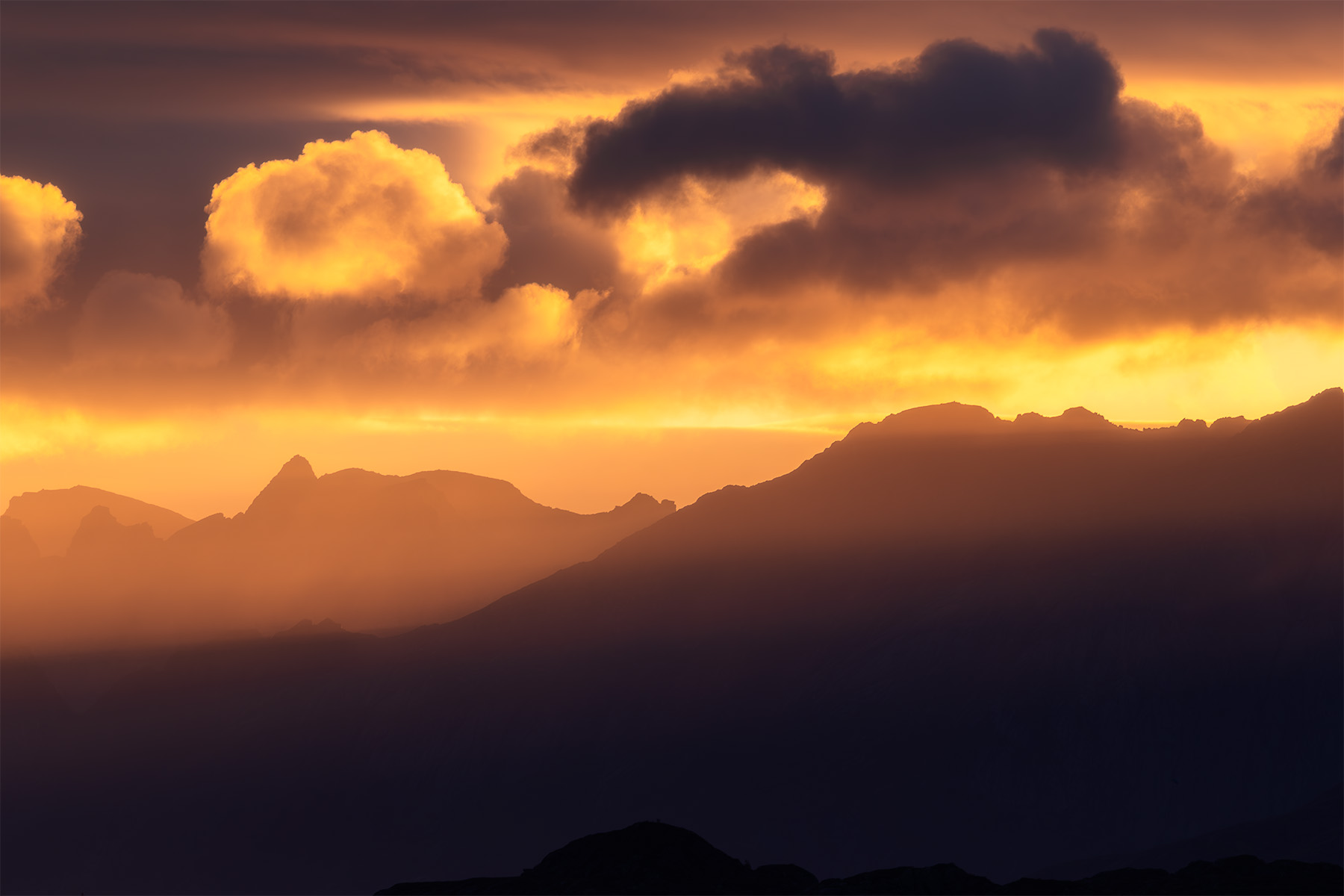
Light is the single most important element in Lofoten. It’s not just a tool for exposure; it’s the subject itself. The light here is soft, dynamic, and possesses a color palette that shifts dramatically with the seasons and the weather. Mastering it is the key to unlocking world-class images.
The Unique Spectrum of Lofoten's Light
Due to its position within the Arctic Circle, the sun in Lofoten never rises high in the sky. This low trajectory means that during the periods of daylight, the light travels through more of the Earth's atmosphere, scattering the blue wavelengths and leaving a warm, golden hue that can last for hours. This creates an extended "golden hour" that photographers can exploit. The blue hour, the period of twilight before sunrise and after sunset, is equally prolonged and intense, bathing the snowy landscapes in a magical, cool light.
Seasonal Light Breakdown & Photographic Opportunities
- Winter (December - February): Days are short, offering only a few hours of civil twilight. This "polar night" period is not complete darkness; instead, the landscape is bathed in a perpetual, soft blue and pink glow. This is the prime season for photographing the Northern Lights.
- Spring (March - May): The light returns rapidly. Days lengthen, snow begins to melt, and the sunrises and sunsets become spectacular events. This transitional period offers a mix of winter's snowy beauty with the promise of longer shooting days.
- Summer (June - July): The era of the Midnight Sun. The sun never sets below the horizon, providing 24 hours of daylight. This allows for incredible flexibility, enabling photographers to shoot landscapes under golden light at 2 AM on an empty beach.
- Autumn (September - November): The light begins to soften again, and the days shorten. The landscape takes on rustic, golden tones, and the stormy weather creates dramatic, moody skies. The auroras return as the nights grow dark enough to see them.
When is the ideal time of year to photograph the Lofoten Islands?
The "ideal" time depends entirely on your photographic goals. For the iconic snow-covered peaks and the highest probability of witnessing the northern lights, February and March are perfect. For the ethereal Midnight Sun and the opportunity for endless hiking and photography sessions, June and July are unbeatable. For a blend of dramatic weather, autumn colors, and returning auroras without the harshest winter conditions, September is a strong contender.
We recommend visiting the Lofoten Islands in late winter for aurora and snowy landscapes, or during summer for the Midnight Sun and vibrant scenery.
How does weather in the Lofoten Islands affect photography conditions?
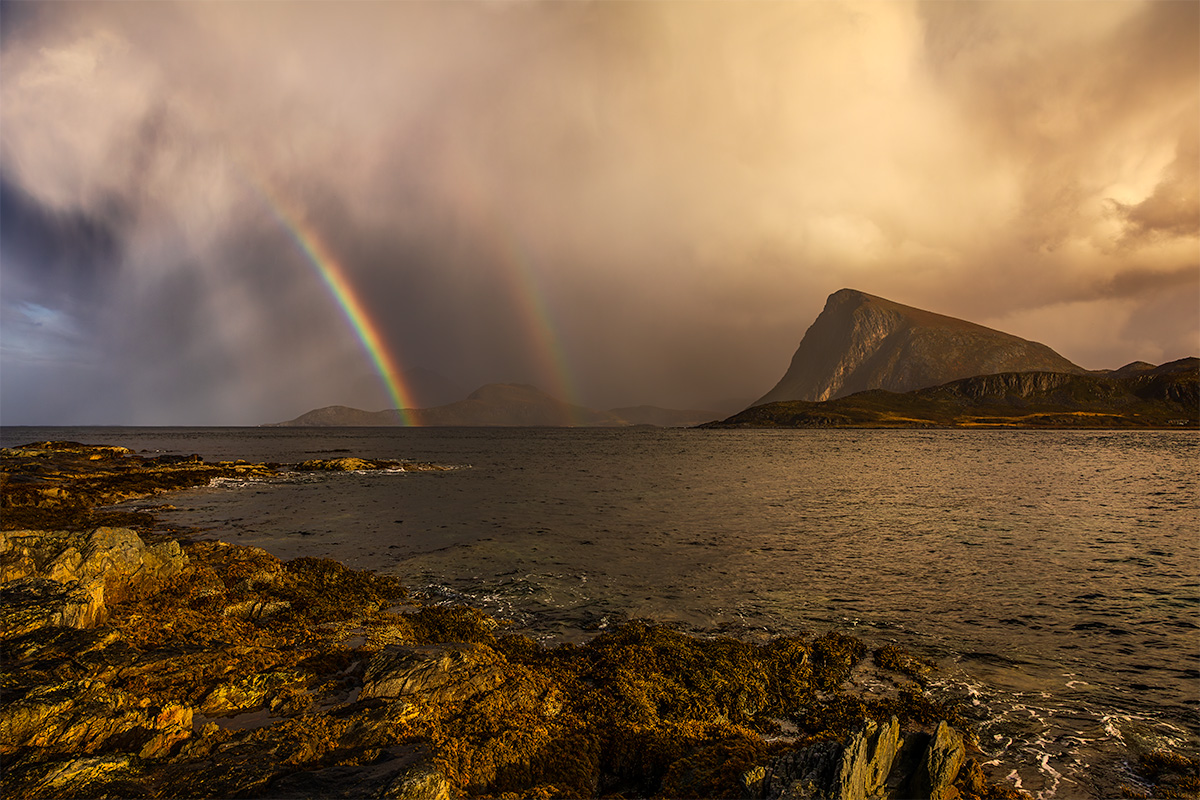
The weather in Lofoten is a defining characteristic: it’s unpredictable, fast-changing, and often severe. A calm, sunny morning can turn into a blizzard by afternoon. However, for a photographer, this is an opportunity, not just a hindrance. Stormy clouds add drama and texture to the sky. A clearing storm often produces the most spectacular light. Fog and mist can simplify a complex scene, adding mood and mystery. The key is to embrace the weather, protect your gear, and be ready to shoot the moment conditions align.
Mastering Light Conditions: Practical Techniques & Tips
- Bracket Your Exposures: The dynamic range between a bright sky and a dark foreground can be extreme. Shoot multiple exposures (bracketing) to later merge into an HDR image for a balanced final photo.
- Use a Polarizer: A circular polarizing filter is essential. It reduces glare on water surfaces, deepens the blue in the sky, and saturates colors, especially on wet rocks and foliage.
- Long Exposures: With the often-dramatic skies and coastal scenery, long exposures are a powerful tool. Use a neutral density (ND) filter to smooth the water of a fjord or show the motion of clouds streaking across a mountain peak.
- Scout and Revisit: Find a compelling composition during harsh midday light, then return at sunrise, sunset, or during a storm to capture it in optimal conditions.
- Study Other Photographers: Research images taken by other photographers in Lofoten to discover new angles, compositions, and creative approaches you might not have considered. This can inspire fresh perspectives and help you make the most of each location.
What types of landscapes and natural features can photographers expect in the Lofoten Islands?
The Lofoten Islands offer a dense concentration of world-class photographic subjects. You will find jagged, granite mountains rising directly from the sea, creating dramatic fjords. The coastline is dotted with some of the world’s most beautiful and surreal beaches, featuring white sand, turquoise water, and massive, sea-smoothed boulders.
Many beaches also feature rock pools, which serve as striking foreground elements in landscape photography, adding texture and creative compositional opportunities. Waterfalls cascade down mountain faces, and the landscape is interconnected by a network of pristine lakes and dramatic coastal cliffs. A network of accessible hiking trails near villages like Å leads to scenic viewpoints and coastal areas, making it easy for photographers to explore and capture the diverse natural beauty of Lofoten.
Iconic Landscapes & Compositions: A Location-Specific Guide
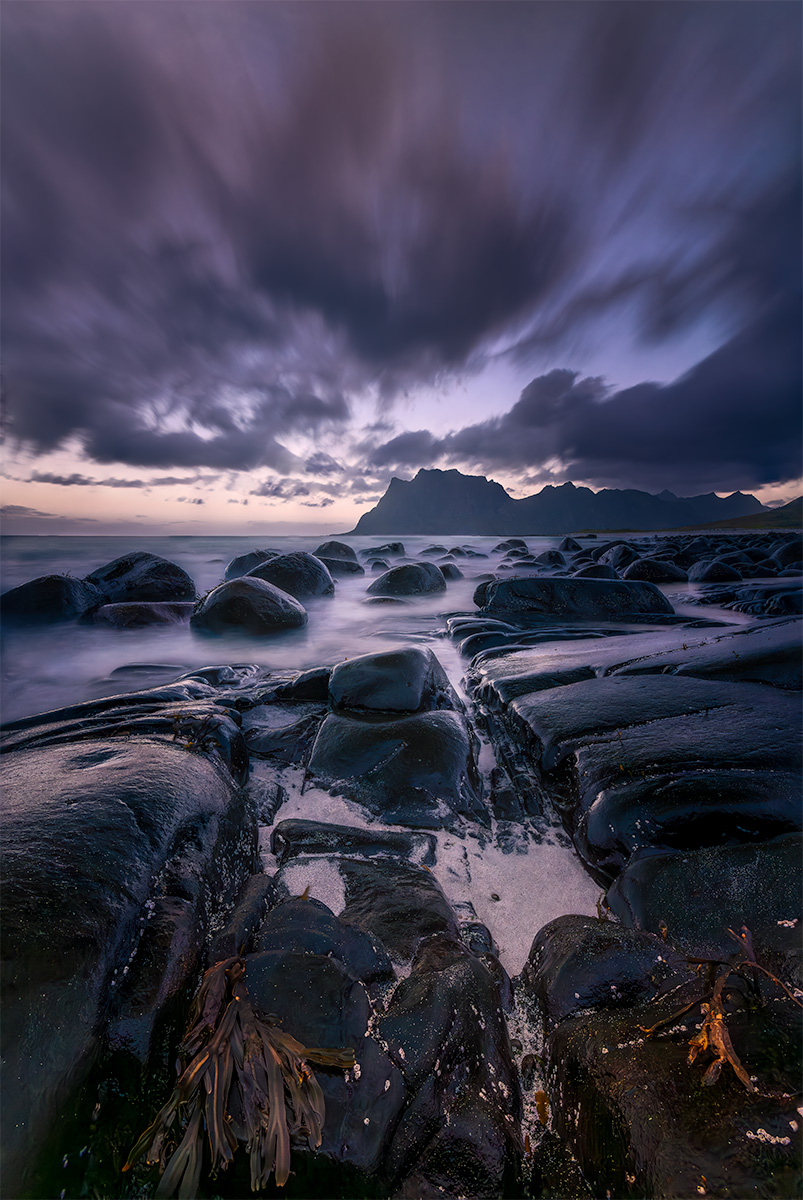
While discovery is part of the adventure, certain locations in Lofoten have become iconic for good reason. They offer classic compositions that are essential for any visiting photographer to capture, while also serving as a starting point for more unique explorations. For easier planning and navigation of Lofoten photography locations, using a Google Map can be extremely helpful to visualize and organize your shooting itinerary.
What are the best locations in the Lofoten Islands for photography?
The best locations are concentrated along the main road, the E10, which acts as the spine of the archipelago. Key areas include the southern villages of Reine and Hamnøy, the famous western beaches like Uttakleiv and Haukland—each a popular location for photography—and the vibrant fishing hub of Henningsvær. Each area offers a distinct photographic character.
Southern Lofoten Gems: Reine, Hamnøy & Sakrisøy
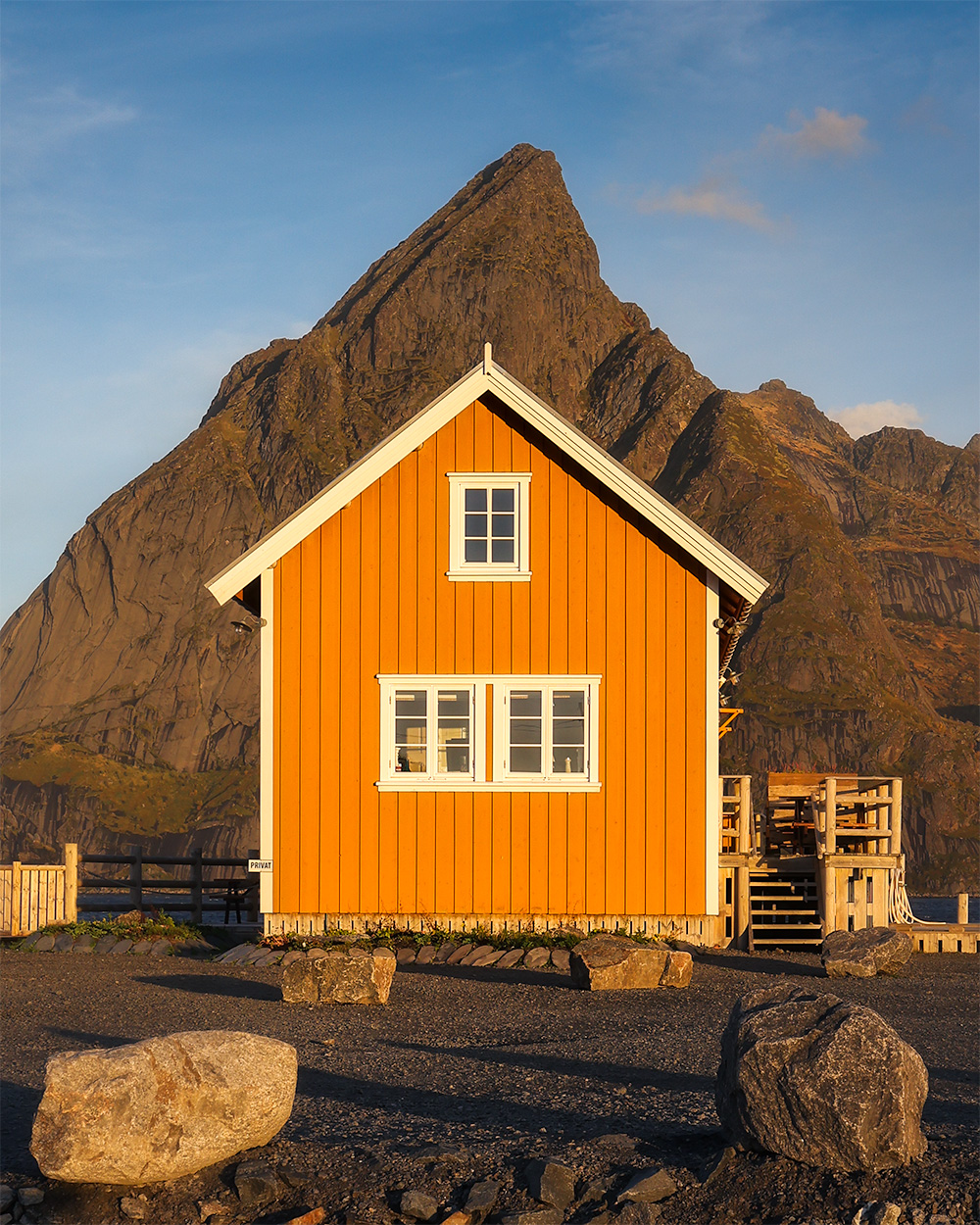
This cluster of villages is arguably the most photographed area in all of Norway and attracts many visitors due to its iconic scenery.
- Reine: The view from the Reinebringen hike (a strenuous but rewarding climb) provides an incredible view—a top-down panorama of the village nestled amongst a ring of granite peaks and fjords. From ground level, the classic shot is looking across the water towards the red traditional fishermen's cabins (rorbuer), which have historical significance in the fishing industry, with the peak of Olstind as a backdrop, especially beautiful at sunrise.
- Hamnøy: The quintessential Lofoten postcard view is from the Hamnøy bridge, looking back at the cluster of red traditional fishermen's cabins against the dramatic backdrop of the mountains. This spot works well in almost any weather, from snowy winter mornings to moody, overcast days.
- Sakrisøy: Known for its distinct yellow fishing cabins, Sakrisøy offers a vibrant color contrast against the blue water and grey mountains. It’s a fantastic location for detail shots and intimate compositions.
Western Wonders: Beaches & Dramatic Coastlines
Lofoten’s beaches are unlike any other. They are wild, Arctic shores that offer incredible photographic potential and easy access for photographers, with convenient car parks, parking lots, and parking areas located near the most popular spots. Many of these beaches are just a short walk from the parking area, making it effortless to explore and set up for seascape photography.
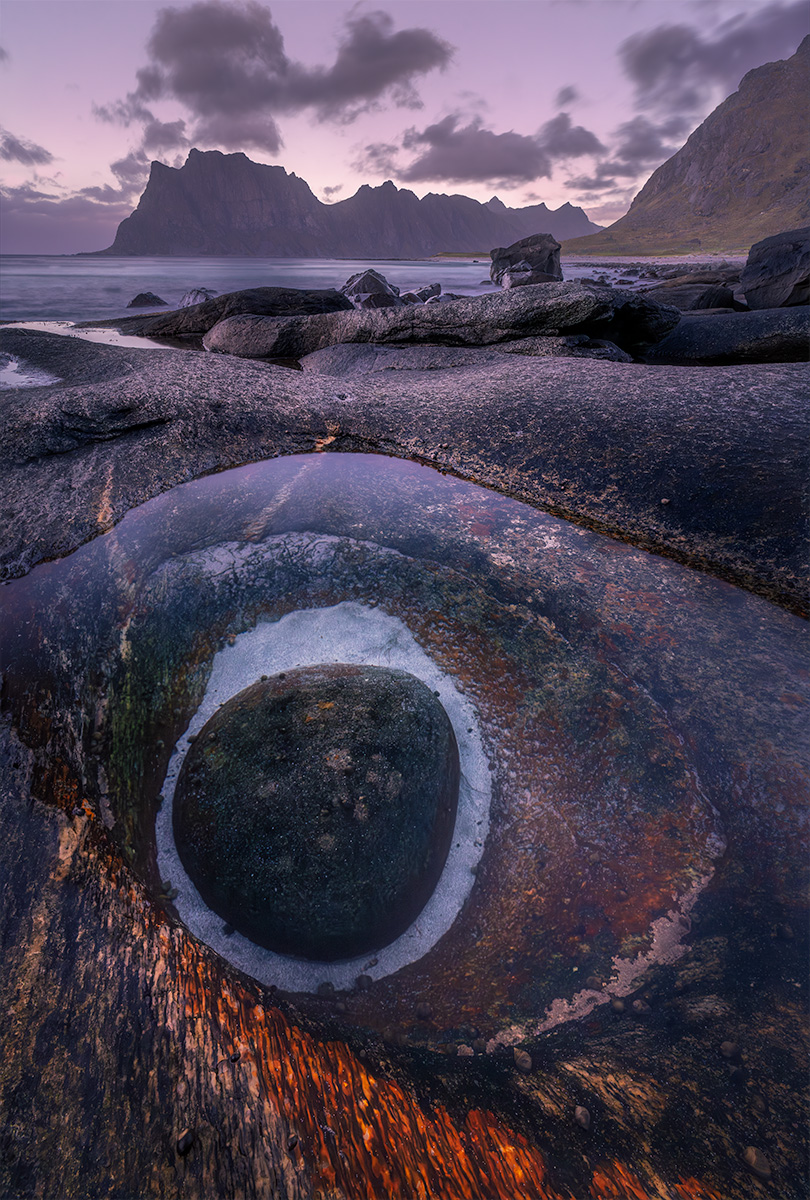
- Uttakleiv Beach: Famous for its rocky shoreline, sea-worn boulders, and the unique “Dragon’s Eye” rock formation—a favorite focal point for seascape photography thanks to its distinct appearance and how it changes with the light. Uttakleiv is perfectly oriented for both sunset and Northern Lights photography, and the nearby parking lot makes it easy to reach.
- Haukland Beach: A beautiful spot for photography, this stunning crescent of white sand and turquoise water feels almost Caribbean, framed by towering mountains. Haukland and Uttakleiv are two beaches separated by the mountain Veggen, and you can hike between them for different perspectives. The car park is close by, and a short walk brings you to the shoreline, making it ideal for wide-angle landscapes, drone shots, and seascape photography.
- Skagsanden Beach: Located near Flakstad, this beach is known for its dark, volcanic sand that creates beautiful, flowing patterns as the tide recedes. These patterns make for fantastic foreground interest, especially when paired with a dramatic sky or the auroras. The parking area is conveniently located, providing easy access for photographers.
- Kvalvika Beach: Accessible via a rewarding hike from nearby villages, Kvalvika Beach is a secluded gem surrounded by dramatic cliffs and offers spectacular views, especially from the scenic viewpoint at Ryten Peak. Its remote beauty and wild setting make it a must-visit for landscape and seascape photography.
Central & Northern Lofoten: Henningsvær, Unstad & Beyond
Moving north, the character of the landscape shifts slightly, but remains just as compelling.
- Henningsvær: This charming small village is a vibrant fishing community spread across several small islands, connected by bridges. Henningsvær’s quaint streets, local amenities, and scenic harbor scenes make it a favorite for photographers seeking authentic Lofoten atmosphere. The unique football pitch carved into the rocky shoreline, along with the blend of culture and nature, adds to its photographic appeal.
- Unstad Beach: A world-renowned surf spot, Unstad is nestled in a dramatic, bowl-shaped valley. It’s a prime location for capturing the raw power of the Arctic ocean, with waves crashing against a rocky shore.
Beyond the Postcard: Finding Unique Perspectives
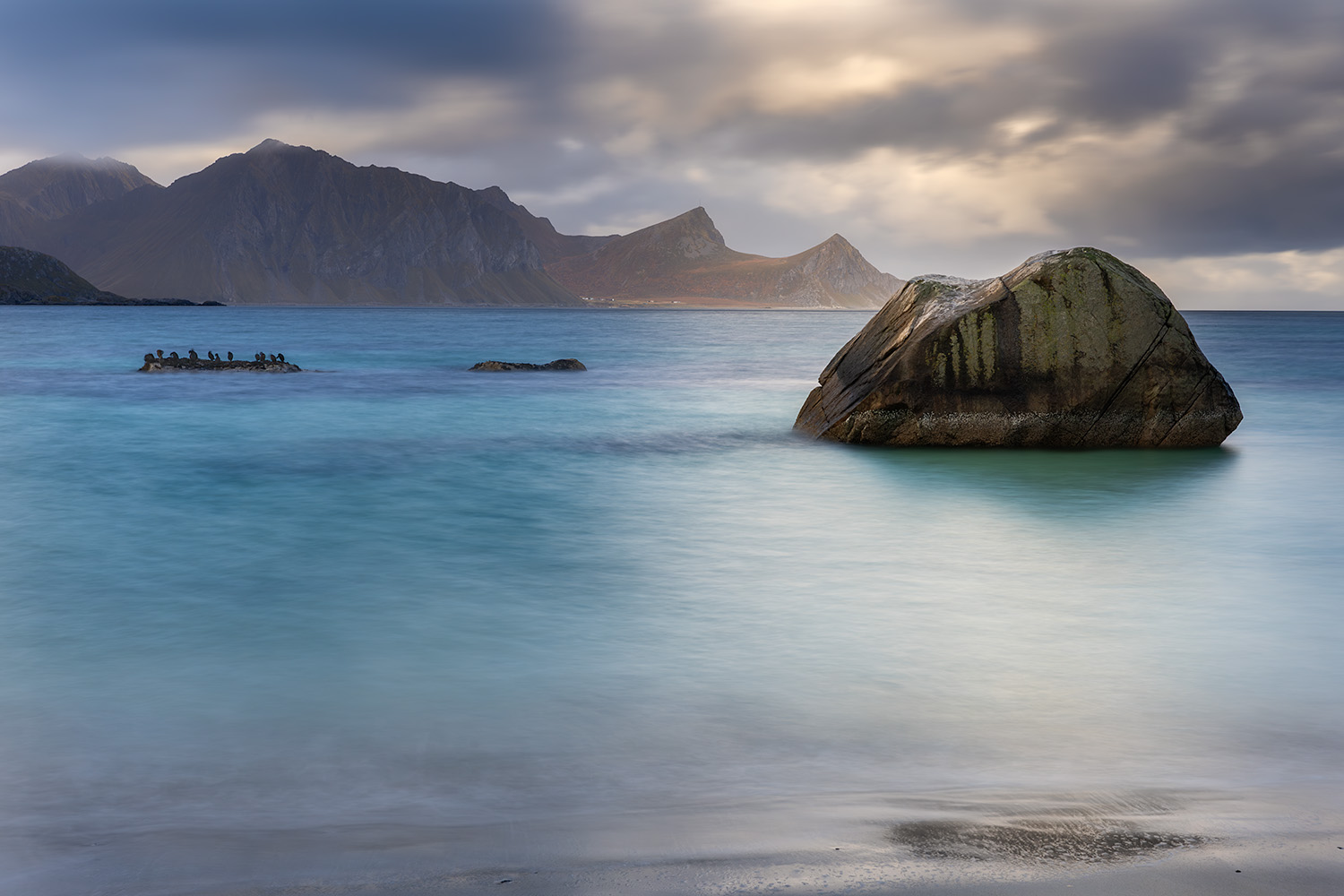
The classic views are popular for a reason, but the real magic of a photography trip to Lofoten is finding your own compositions. Explore the side roads off the E10. Take a hike on a less-trafficked trail. Use a telephoto lens to isolate details in the distant mountains or compress layers of peaks. Focus on intimate scenes: ice patterns on a frozen fjord, the texture of a fishing net, or the way light hits a single red cabin.
Fishing Villages and Boats: Capturing Lofoten’s Maritime Heritage
The Lofoten Islands are a living tapestry of maritime tradition, where the rhythm of daily life is set by the tides and the legacy of fishing runs deep. For photographers, the islands’ iconic fishing villages—like Reine and Hamnøy—offer endless opportunities to capture the soul of Northern Norway’s coastal culture. The sight of red cabins perched on stilts above the water, fishing boats bobbing in sheltered harbors, and nets drying in the crisp Arctic air creates a scene that is both timeless and vibrant.
To truly convey the character of these villages, use a wide angle lens to frame the sweeping vistas of clustered cabins against dramatic mountain backdrops. Wander the docks and look for intimate details: the weathered wood of a boat’s hull, the tangle of ropes, or the reflection of red cabins in the still morning water. Early morning and late afternoon are especially magical, as the golden light bathes the islands and brings out the rich colors of the fishing boats and cabins. Don’t hesitate to explore beyond the main harbors—each small bridge or side street can reveal a new perspective on Lofoten’s maritime heritage. For many photographers, these villages are not just photo locations, but a window into the enduring spirit of the islands.
Northern Lights Photography: Chasing the Aurora in Lofoten
Few experiences rival the thrill of witnessing the northern lights dancing above the Lofoten Islands. Nestled within the Arctic Circle, Lofoten is one of the world’s premier destinations for aurora photography, offering a dramatic stage of mountains, beaches, and open sky. The best time to chase the aurora is from September to March, when long, dark nights and clear skies create ideal conditions.
To capture the full sweep of the aurora overhead, equip yourself with a wide angle lens and a fast aperture—f/2.8 or wider is ideal. A sturdy tripod is essential for sharp, long exposures, and using a remote shutter or timer will help eliminate camera shake. Scout locations like Skagsanden Beach, Uttakleiv Beach, and the surrounding mountains, where the interplay of glowing sky and rugged landscape creates unforgettable compositions. Apps such as Aurora Forecast can help you track aurora activity and cloud cover, increasing your chances of success. Remember, patience and flexibility are key—sometimes the best images come after hours of waiting, when the aurora suddenly ignites the sky above the islands.
Wildlife Encounters: Photographing Arctic Fauna
Beyond its dramatic landscapes, the Lofoten Islands are alive with Arctic wildlife, offering photographers the chance to capture reindeer grazing on windswept hills, sea eagles soaring above mountain peaks, and even whales breaching in the fjords. To photograph these elusive subjects, a telephoto lens (such as a 70-200mm or 100-400mm) is invaluable, allowing you to keep a respectful distance while still filling the frame with detail.
Patience and quiet observation are your best tools—scan the mountains and shorelines for movement, and be ready to react quickly when an opportunity arises. Using a tripod or monopod can help stabilize your camera for sharp images, especially in low light or when tracking moving animals. Popular wildlife photography locations in the Lofoten Islands include the Reinefjord, Vestfjord, and the rugged mountain areas where eagles and other birds of prey are often spotted. For those seeking a deeper experience, consider joining a guided wildlife tour or workshop to increase your chances of memorable encounters while learning from local experts. Above all, always prioritize the well-being of the animals and the integrity of their habitats.
Essential Photography Gear & Advanced Techniques for Arctic Conditions
Photographing in the Arctic requires durable and reliable gear. Your equipment will be subjected to cold, wind, and moisture, so choosing the right tools and knowing how to protect them is paramount.
What camera equipment is recommended for capturing the Lofoten Islands?
A modern interchangeable lens camera, whether DSLR or mirrorless, with good low-light performance and weather sealing is ideal. Full-frame cameras excel in capturing the dynamic range and high-ISO performance needed for Northern Lights photography, but APS-C cameras are also highly capable.
Camera Bodies & Lenses: The Right Tools for the Arctic
- Wide-Angle Zoom (e.g., 16-35mm): This will be your most-used lens. It’s essential for capturing the grand scale of the landscapes, from sweeping beach scenes to towering mountains over a fjord. A fast aperture (f/2.8 or f/4) is crucial for aurora photography.
- Standard Zoom (e.g., 24-70mm): A versatile workhorse for general travel and landscape photography, allowing you to frame scenes without constantly changing position. This lens is also excellent for photographing traditional fishing cabins, highlighting their cultural and visual significance in the Lofoten scenery.
- Telephoto Zoom (e.g., 70-200mm): Perfect for compressing distant mountain ranges, isolating details like a remote rorbu or traditional fishing cabins, and capturing wildlife such as sea eagles.
Indispensable Accessories: Tripods, Filters & Batteries
- Sturdy Tripod: This is non-negotiable. The winds in Lofoten can be ferocious. A flimsy tripod will vibrate, ruining long exposures. Look for a solid carbon fiber or aluminum model with a reliable ball head.
- Filters: A circular polarizer (CPL) and a set of neutral density (ND) filters (3-stop, 6-stop, and 10-stop) will give you complete creative control over reflections, water, and clouds.
- Extra Batteries: The cold depletes battery life at an alarming rate. Bring at least 3-4 batteries and keep the spares in an inside pocket close to your body heat.
Specialized Techniques & Considerations
- Photographing the Auroras: Use a wide, fast lens (e.g., 20mm f/1.8). Set your focus to infinity manually during the day. Start with settings like ISO 3200, f/2.8, and a 10-15 second shutter speed, then adjust based on the brightness of the display. For more step-by-step guidance, see this complete guide on how to photograph the Northern Lights.
- Cold Weather Protection: Acclimatize your camera when moving from a warm car or cabin to the cold outdoors, and vice versa. Place it in your camera bag and let it adjust slowly to prevent condensation from forming inside the lens and body.
- Focus Stacking: For scenes with very close foreground interest and distant mountains, take multiple shots focused at different points and blend them in post-processing to ensure front-to-back sharpness. For more tips and inspiration on landscape and nature photography, check out our blog.
Planning Your Lofoten Photography Expedition
Logistics are a key component of a successful trip. The Lofoten Islands are a great place for planning a photography expedition, offering dramatic landscapes and unique light conditions that attract photographers from around the world. Thoughtful planning regarding timing, transport, and accommodation will allow you to maximize your time spent shooting.
When to Visit: A Detailed Seasonal Overview for Photographers
Your choice of season dictates the type of images you will create. Winter offers snow and auroras with limited light. Summer provides the Midnight Sun and endless shooting opportunities. The shoulder seasons of spring and autumn offer dramatic transitions, combining elements of both with fewer crowds. Research the exact sunrise/sunset times (or lack thereof) for your chosen travel dates.
Getting There & Getting Around Lofoten
Most photographers fly into Harstad/Narvik Airport (EVE) or Leknes Airport (LKN) and rent a car. A car is essential for the freedom and flexibility needed to chase the light and explore different locations. The E10 is the main road that connects the islands and is generally well-maintained, even in winter, though winter tires are mandatory and 4WD is recommended for peace of mind.
The E10 stretches all the way to Å, which is located in the southern part of the Lofoten Islands, making it an ideal route for accessing both northern and southern photography locations.
Where to Stay: Accommodation for Photographers
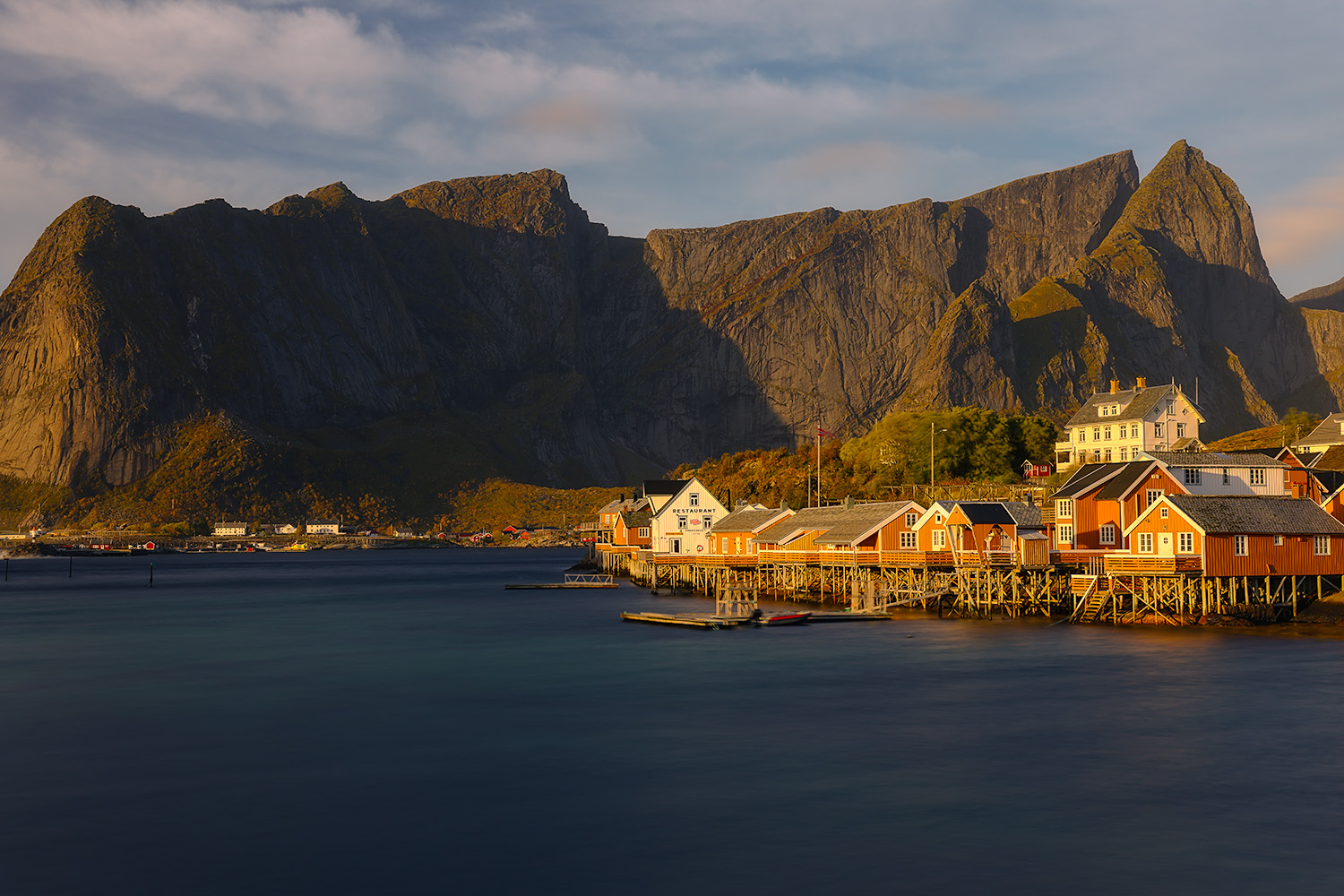
Staying in a traditional rorbu is part of the quintessential Lofoten experience. Many have been modernized to provide comfortable lodging. For photographers, it’s strategic to base yourself in a central location like Leknes to easily access both the southern and western locations, or to split your stay between a southern base (near Reine) and a more central one.
Safety and Precautions for Arctic Photography
Photographing the Lofoten Islands means embracing the wild, unpredictable nature of the Arctic. Weather conditions can shift rapidly—from blinding snow to gale-force winds—so preparation is essential for both safety and creativity. Dress in warm, layered clothing and always carry waterproof outerwear, as temperatures can plummet and storms can roll in with little warning.
Before heading out, pack a first-aid kit, a detailed map, and a compass, and let someone know your planned route and expected return time. When exploring remote beaches or mountain trails, stay alert for hazards such as slippery rocks, steep cliffs, and fast-moving water. Protect your camera gear with weather-sealed bodies and lenses, and use a sturdy tripod to withstand the elements. A lens filter can help shield your glass from sea spray and blowing snow. By respecting the power of the Arctic environment and planning ahead, photographers can focus on capturing the islands’ beauty while staying safe and ready for whatever the weather brings.
Responsible Photography & Wilderness Ethics in the Arctic
As photographers, we have a responsibility to protect the magnificent places we capture. The Arctic environment is incredibly fragile, and the popularity of Lofoten has put a strain on its delicate ecosystem and local communities.
Leave No Trace: Protecting Lofoten's Fragile Environment and Coastline
Adhere strictly to the principles of Leave No Trace. Do not camp outside of designated areas. Pack out everything you pack in. The fragile moss and tundra can be easily damaged, so stick to established trails when hiking. Be mindful of nesting birds on the beaches during spring and summer. Respect private property—many of the iconic red cabins are people's homes or holiday rentals. By photographing responsibly, we ensure that the soul of this Arctic archipelago can continue to inspire generations of photographers to come. Read the trip report of my Lofoten Islands Photography Workshop.
Final Tips and Additional Resources for Lofoten Photographers
A successful photography trip to the Lofoten Islands is built on preparation, adaptability, and a spirit of adventure. With weather conditions that can change in a heartbeat and best photography locations that may require a short hike or a drive, flexibility is your greatest asset. Research your must-visit photo spots—such as Skagsanden Beach, Uttakleiv Beach, and the fishing village of Reine—and plan your itinerary to make the most of changing light and tides.
Pack a range of lenses, from a wide angle lens for sweeping landscapes to a telephoto for wildlife and distant peaks. Keep an eye on the forecast, and don’t be afraid to revisit the same location under different conditions—some of the most beautiful images are made when the weather is wild or the light is unexpected. Use online resources like Google Maps, photography blogs, and social media to discover hidden gems and stay inspired. Above all, approach each day with curiosity and patience, and you’ll return from your trip with a portfolio of images that capture the true magic of the Lofoten Islands.