Bubble-Net Feeding Alaska: Humpback Whale Photography Guide
Bubble-Net Feeding: Humpback Whales in Alaska's Wild Waters
If you're a wildlife or landscape photographer heading to Alaska, bubble-net feeding is the shot to plan around: humpback whales blow a spiraling net of bubbles to trap herring, then lunge to the surface together. This guide covers what the behavior is, when and where to see it, and the exact camera settings to capture it.
In the pristine, nutrient-rich waters of Alaska, a remarkable natural drama unfolds with cinematic precision. Bubble-net feeding, one of the most sophisticated hunting behaviors in the animal kingdom, transforms Southeast Alaska's waters into a theater of primal strategy as humpback whales coordinate in teams to capture their prey.
This breathtaking spectacle is bubble-net feeding, a complex, cooperative hunting strategy that stands as one of the most compelling displays of animal intelligence and social behavior in the natural world. More than just a meal, this intricate feeding behavior transforms the Alaskan coastline into a theater of primal strategy, offering a profound glimpse into the sophisticated lives of these magnificent marine mammals and the delicate ecosystem of the vast ocean they call home.
Where to See Bubble-Net Feeding: Sitka Sound ranks as the premier location worldwide for witnessing this behavior. Located in Southeast Alaska with direct flights via Alaska Airlines, Sitka offers unparalleled access to reliable bubble-net feeding from May through September, with peak activity in July and August.
Understanding Bubble-Net Feeding Behavior
A Dance of Giants: Introducing Humpback Whales in Alaska
The star of this incredible phenomenon is the humpback whale (Megaptera novaeangliae). These iconic visitors to the Alaskan coast are true titans of the deep, celebrated for their acrobatic breaches and haunting songs. After spending winters in warmer breeding grounds like Hawaii, humpback whales undertake one of the longest migrations of any mammal, traveling thousands of miles to the bountiful summer feeding grounds of the North Pacific. Some populations of humpback whales also feed in polar regions such as Antarctica during the southern hemisphere summer before migrating to warmer waters for breeding.
These baleen whales, reaching up to 60 feet in length and weighing nearly 40 tons, arrive with an urgent need to replenish their energy stores after a long fast. Alaska's cold, plankton-rich waters provide the perfect environment, supporting the dense schools of small fish and krill that form the foundation of their diet. It is here, against a stunning backdrop of glaciers and temperate rainforests, that they deploy their most ingenious feeding techniques.
What is Bubble-Net Feeding? Alaska's Unique Phenomenon
Bubble-net feeding is a highly sophisticated and learned cooperative foraging strategy, one of the most complex feeding methods observed in the animal kingdom. It is not an innate instinct but a cultural tradition, a behavior passed down through generations within specific whale populations, most famously in Southeast Alaska. While it is best known as a group behavior, a 2024 study published in the journal Royal Society Open Science found that solitary humpback whales also manufacture their own bubble nets as tools, actively shaping the size and structure of the bubbles to trap more prey, a rare documented example of tool use among marine mammals.
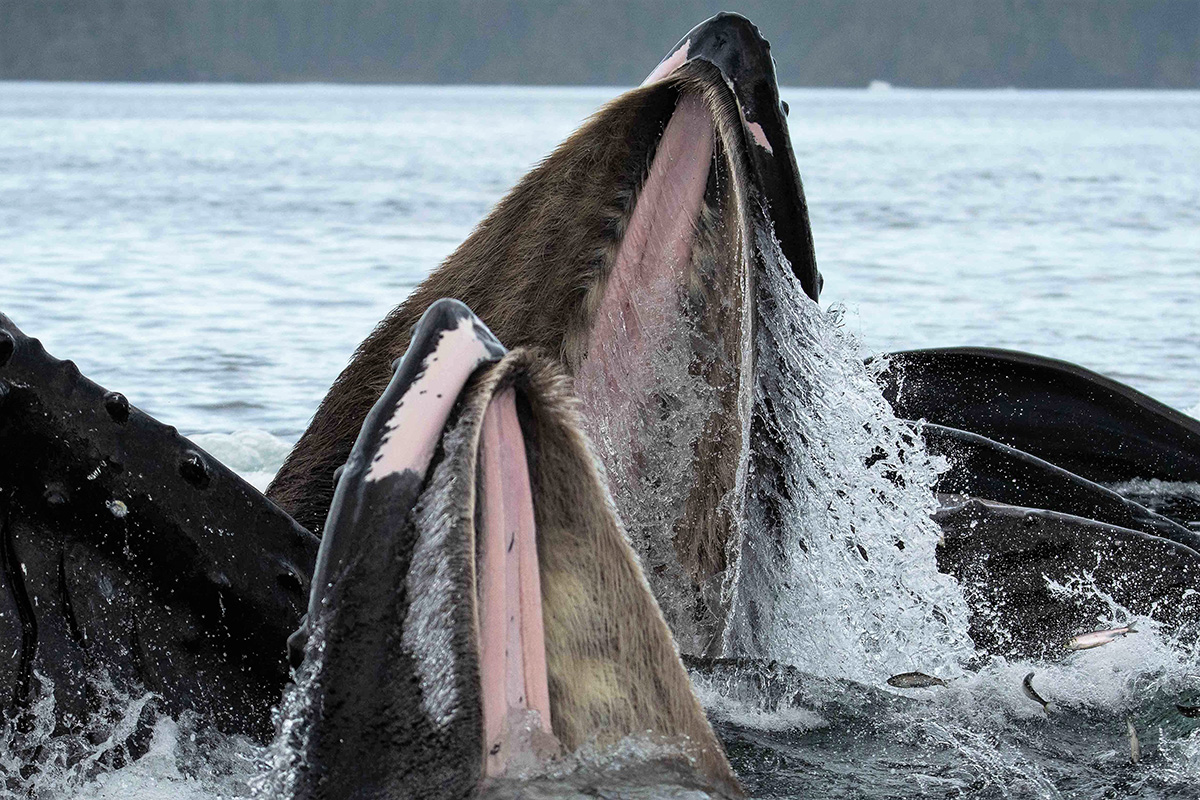
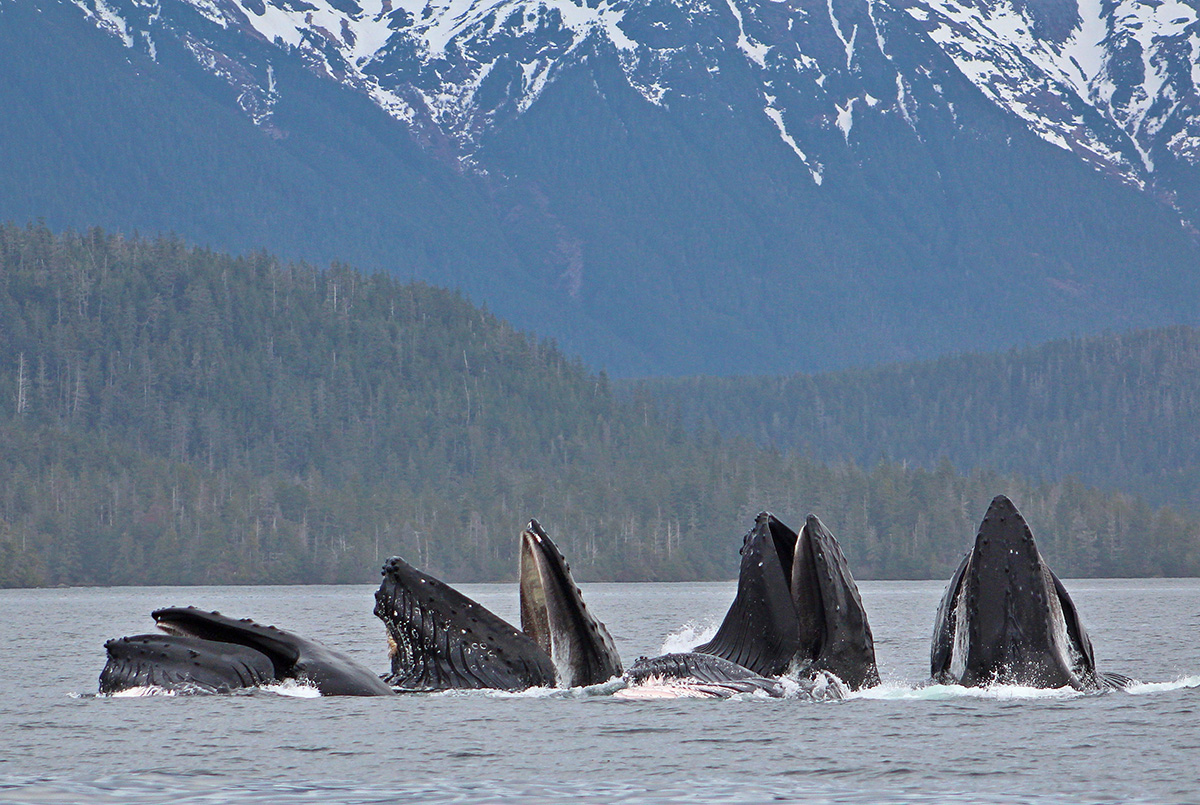
A group of whales, ranging from a few individuals to more than a dozen, works in concert to corral and capture schooling fish. By exhaling air underwater in a coordinated fashion, they create a "net" or curtain of bubbles that encircles their prey. This visual and acoustic barrier confuses and confines the fish into a tight bait ball, making them an easy target for the whale's powerful, synchronized lunge to the surface. This unique form of bubble net feeding is a testament to their remarkable intelligence and social cohesion.
The Art of the Bubble Corral: Steps and Strategy
The execution of a bubble net is a masterclass in teamwork, with individual whales often assuming specific roles. The process, a stunning example of social foraging, typically begins with one whale, sometimes called the "caller," emitting a specific, booming vocalization that signals the start of the hunt. A group of whales then dives deep below a school of fish. Working in unison, they begin to spiral upwards while releasing a steady stream of air from their blowholes.
This action forms a rising, cylindrical wall of bubbles, the bubble corral, that can be up to 100 feet in diameter. The fish, unwilling to cross this shimmering barrier, are forced closer and closer together into a dense, panicked mass. Once the bubble netting is complete and the prey is concentrated near the surface, the whales surge upwards through the center of the ring, mouths wide open to engulf their feast in a single, dramatic gulp.
The Symphony of Sounds: Vocalizations and Hydrophones
Acoustic communication is the invisible thread that orchestrates the entire operation. Humpbacks use a complex array of sounds to coordinate their precise movements during a bubble-net feed. Researchers using hydrophones, or underwater microphones, have identified specific, powerful feeding calls that appear to initiate and synchronize the hunt.
These vocalizations are distinct from the more famous, hauntingly melodic songs produced by males during the breeding season. The feeding calls serve to organize the group, communicate positions, and may even help to further disorient the prey. This auditory component underscores the high level of social intelligence required to execute such a complex, multi-part strategy flawlessly in the dark, dynamic underwater environment.
Targeting the Feast: Herring and Krill as Key Prey
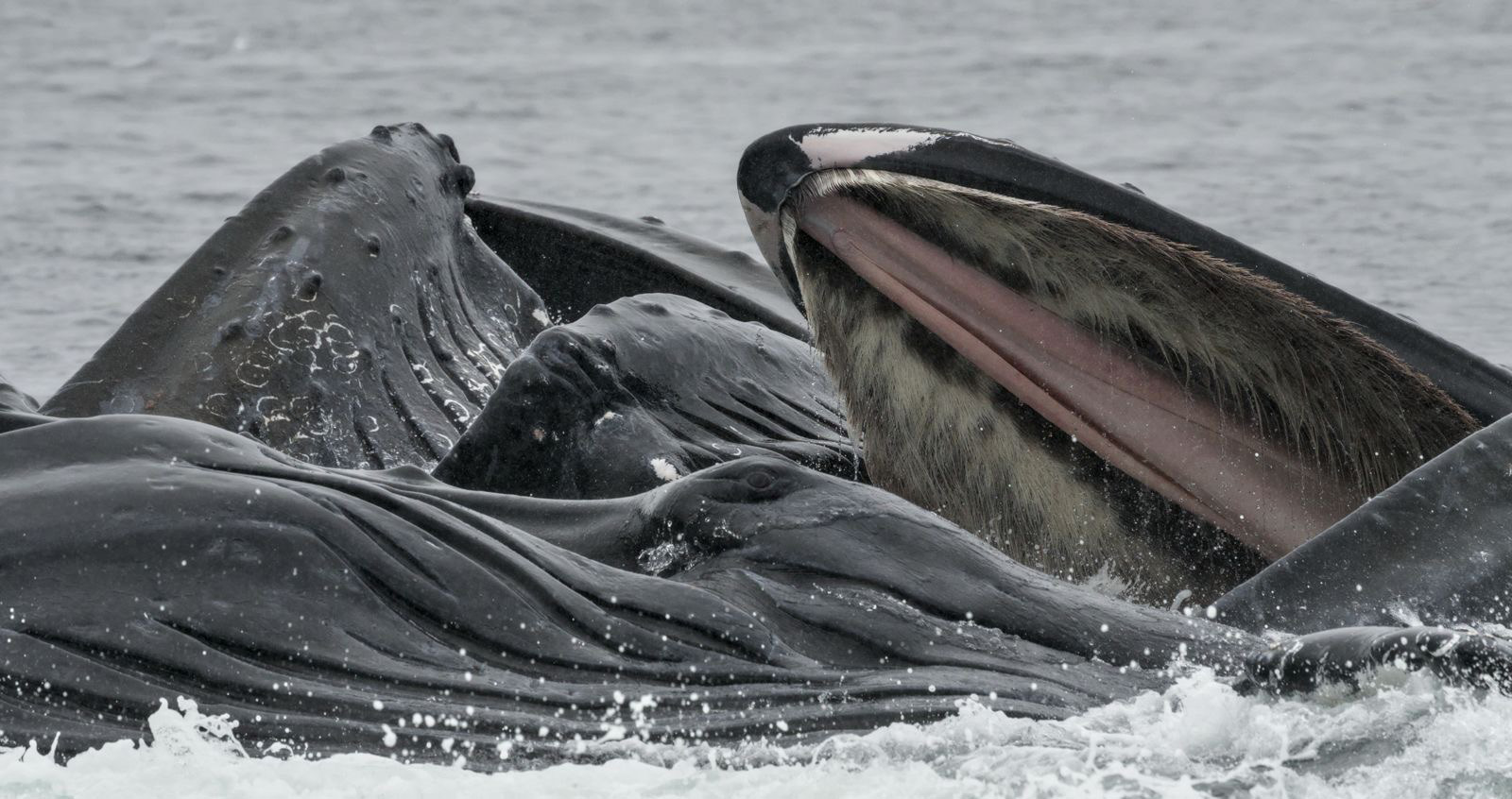
Targeting the Feast: Herring and Krill as Key Prey
The success of bubble-net feeding is directly linked to the behavior of the prey. In Alaska, the primary targets, and what these whales eat most through the summer, are Pacific herring and krill, small organisms that form massive, dense schools. This schooling behavior, a defense mechanism against individual predators, ironically makes them highly vulnerable to the whales' cooperative strategy. The bubble net is perfectly designed to exploit this tendency to cluster. The rich waters also provide an abundance of herring roe, another nutrient-dense food source. By concentrating these prey, the whales maximize their caloric intake with each lunge, a critical factor in building the blubber reserves needed for their long migration south and the lean winter months.
Want first dibs on the 2027 whale workshop? Get on the priority list.
Where and When to See Bubble-Net Feeding in Alaska
Why Sitka, Alaska? An Ideal Feeding Ground
While this feeding behavior occurs elsewhere, Sitka Sound has earned a global reputation as one of the most reliable and spectacular places to witness it. The area's unique underwater geography, characterized by deep channels, shallow banks, and strong tidal currents, creates perfect conditions for concentrating prey. These bathymetric features effectively funnel and trap vast schools of herring, creating a predictable and abundant food source that attracts large congregations of humpbacks year after year. For travelers, the convenience is also a major factor; flights on Alaska Airlines arrive directly at the Rocky Gutierrez Airport (SIT), just minutes from the harbors where expeditions depart. This combination of ecological richness and accessibility makes Sitka an unparalleled hotspot.
Best Time to Witness: The Feeding Season in Spring and Summer
The prime season for observing bubble-net feeding in Alaska aligns with the whale's annual migration, typically from late spring through summer, roughly April to September. This period coincides with the peak abundance of herring and other forage fish in the coastal waters. As the days lengthen and sunlight fuels explosive plankton blooms, the entire marine food web ignites with activity. The position of the sun during these longer days creates dynamic lighting conditions, requiring photographers to adjust their camera settings quickly to capture whales in the best possible light. For visitors hoping to witness this event, planning a trip between May and August offers the highest probability of seeing humpback whales feed actively and cooperatively. In the earlier and later parts of the season, there's also the added potential of witnessing the mesmerizing dance of the northern lights in the dark Alaskan skies.
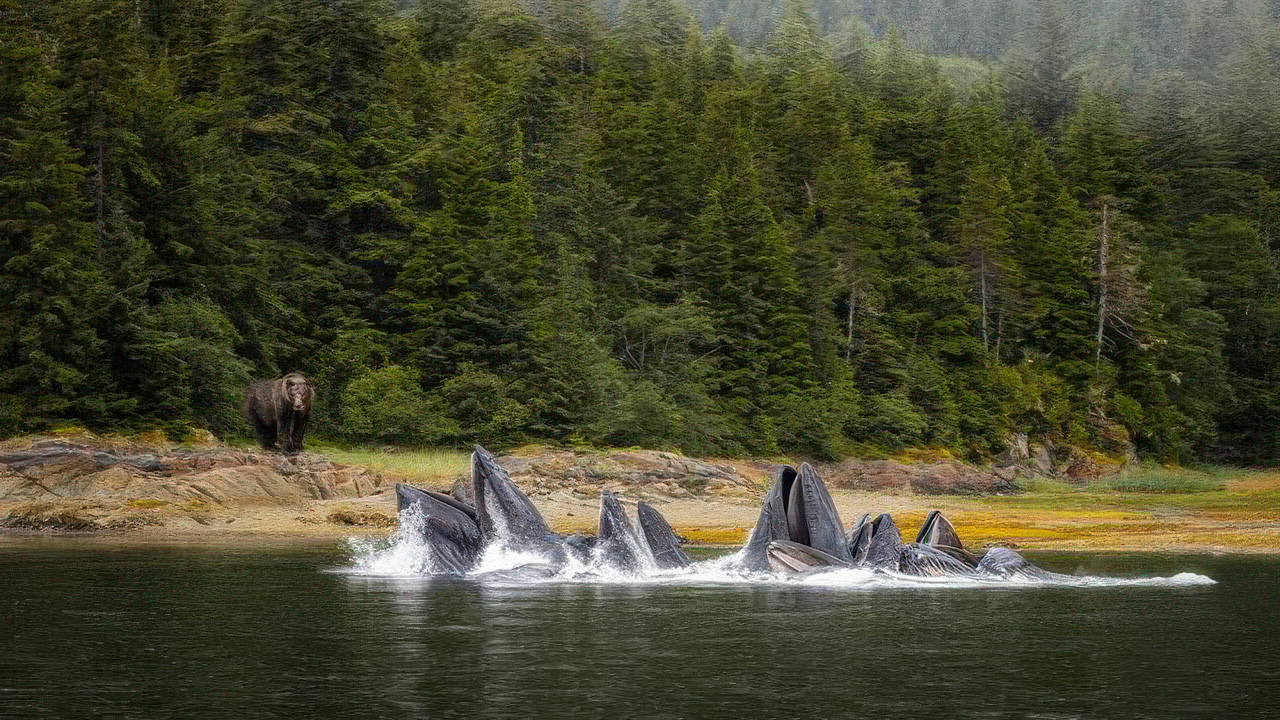
Beyond Sitka: Other Alaskan Locales
Though Sitka is a focal point, this remarkable behavior is not exclusive to its waters. Other areas in Southeast Alaska, such as Glacier Bay National Park and Frederick Sound near Petersburg, are also well-known feeding grounds. Further north and west, the nutrient-rich waters of the Kenai Fjords and along the Kenai Coast also host humpback populations, though bubble-netting is most famously and frequently observed in the protected inlets of Southeast Alaska. Each location offers a unique and breathtaking scenic backdrop for this powerful display of nature. I ran Sitka to Kake to Petersburg through Frederick Sound in late July 2026 and found the bubble-net group twice — seven days on the water, written up in full.
Planning Your Whale Photography Experience
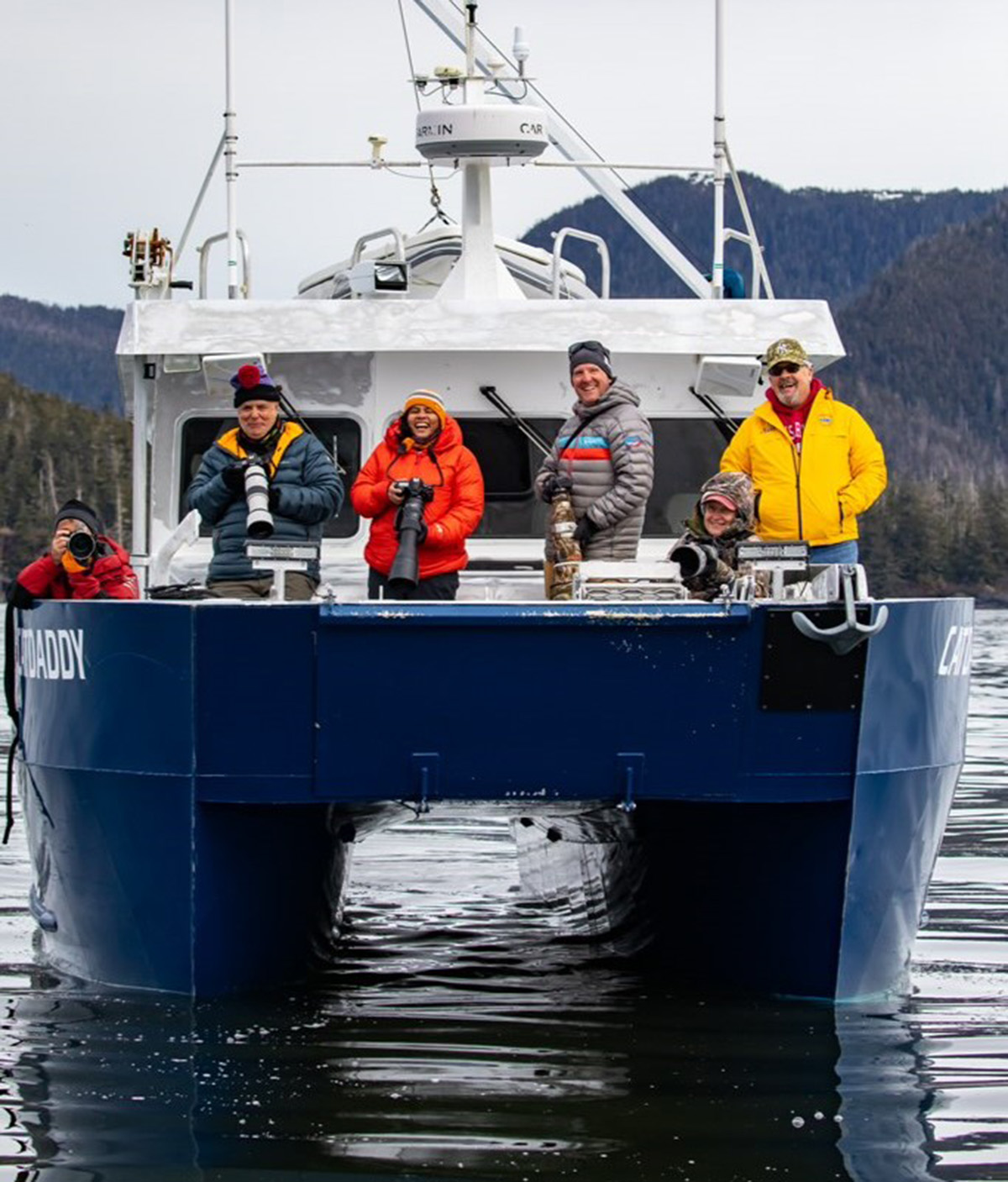
Choosing Your Expedition: Reputable Whale Photography Tours
For those eager to experience this phenomenon firsthand, selecting a responsible whale watching tour operator is paramount. Reputable companies prioritize the well-being of the whales and adhere to strict viewing guidelines. Look for operators with experienced marine naturalists on board who can provide invaluable educational context about the whale's behavior and the local ecosystem. Smaller vessels often offer a more intimate experience, but all certified tours are trained to operate in a way that minimizes disturbance to the animals.
The Thrill of the Encounter: Breaches, Tail Slapping, and More
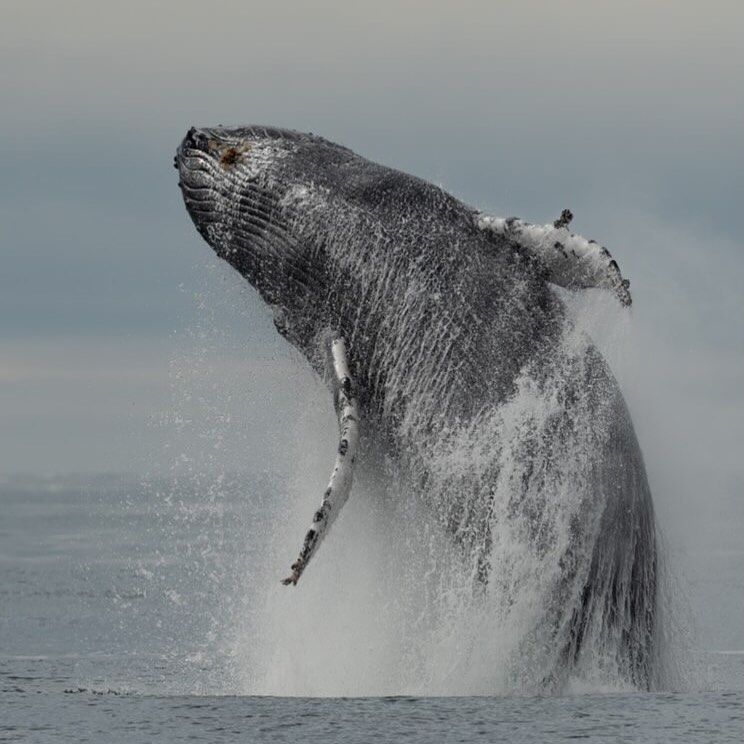
While bubble-net feeding is a highlight, a whale photography trip in Alaska often includes a suite of other spectacular behaviors. Witnessing a 40-ton humpback whale launch its entire body out of the water in a full breach is an unforgettable sight that leaves observers breathless, a truly rare event in whale photography, making it all the more special when it happens. Other common surface activities include pectoral fin slapping, where a whale slaps its long fin against the water, and tail slapping or lobtailing, which sends a cannon-like spray into the air. These behaviors can be forms of communication, displays of aggression, or simply acts of play, adding layers of excitement and wonder to any encounter with these gentle giants.
Ethical Encounters: Responsible Tourism Guidelines
Responsible whale watching is guided by a simple principle: observe, don't interact. Federal law mandates that vessels stay at least 100 yards away from humpback whales to protect these vital marine mammals. This distance prevents stress on the animals, avoids disrupting their natural behaviors like feeding and resting, and ensures safety for both wildlife and people. Ethical tourism means choosing operators who are certified by programs like Whale SENSE, which recognizes companies committed to responsible practices. These operators respect the rules, never chase or encircle whales, and limit their viewing time to give the animals space.
Bubble-Net Feeding Viewing Best Practices
- ✓Maintain the 100-yard minimum distance (federal law)
- ✓Allow whales to approach on their own terms
- ✓Keep engine noise to a minimum near whales
- ✓Choose Whale SENSE certified operators
- ✓Respect feeding behaviors and don't interrupt them
- ✕Never chase or pursue whales
- ✕Never use drones without a permit
- ✕Don't feed or touch wildlife
Whale Photography Guide: Capturing Bubble-Net Feeding
Camera Settings and Gear: Lenses for Bubble-Net Feeding Photography
Capturing the drama of bubble-net feeding is a primary goal for many visitors, making wildlife photography a key part of the experience. Given the mandated viewing distance, a telephoto lens is essential. A lens with a focal length of at least 400mm is recommended, with a prime lens like a 600mm f4 or a versatile zoom like a 70-200mm f2.8 being ideal for capturing frame-filling shots.
A camera with a fast and reliable autofocus system, such as the Canon R5, is crucial for tracking whales as they surface. Selecting the right focus mode and focus points is important for keeping moving whales sharp in your images. Adjusting your camera settings, such as shutter speed, aperture, and ISO, based on the whale's activity will help you capture dynamic behaviors. Using higher shutter speeds is especially important to freeze fast action, like breaching or tail slapping.
Most cameras today can handle higher ISO settings, which is helpful in the low light conditions often encountered on the water. To ensure your images remain sharp, avoid water droplets on your lens or dome port, as these can distort focus and reduce image quality. Furthermore, a high continuous shooting rate, or burst mode, will significantly increase your chances of capturing the peak moment of the lunge. Weather-sealed gear is also a wise investment for Alaska's unpredictable maritime climate.
Mastering the Shot: Fast Shutter Speed, Burst Mode, and Timing
Success in whale photography is a blend of technical skill, immense patience, anticipation, and a bit of luck. Watch for the telltale signs: a congregation of seabirds hovering over one spot, the sleek arch of a dorsal fin as the whales dive, or the subtle appearance of the bubble ring on the water's surface. Set your camera to a fast shutter speed of 1/1000s or faster to freeze the explosive action and use a wide-open aperture to gather light and create a shallow depth of field. Be ready to react in an instant when the action begins, as the entire lunge feed can be over in seconds. The payoff frame is the surface lunge itself, a wall of whales erupting through the bubble ring with mouths open.
I put that to the test in July 2026. It took about an hour of searching to find a cooperative group off Kake, and once we were on them the gulls were a more reliable indicator of where the whales would surface than anything we could see or hear — we counted fifty-one surfacings in a single afternoon. The full account is in my Sitka wildlife photography trip report, including the day the weather kept us off the water entirely.
If you stay alert and patient, there's a good chance you'll capture a breaching whale. Certain behaviors often occur multiple times, so patience is frequently rewarded. Always be prepared for unexpected moments, as whale behavior can be unpredictable.
Beyond Stills: The Power of Video and Aerial Perspectives
While photographs can freeze a dramatic moment, video captures the full, dynamic sequence of a bubble-net feed, from the rising bubbles to the coordinated lunge and the aftermath. Many modern cameras shoot high-quality 4K video, offering another powerful medium for documenting the experience. Additionally, aerial perspectives have revolutionized our understanding of this behavior. Drone footage, typically captured by permitted whale researchers from institutions like the Marine Mammal Research Program, has provided invaluable scientific insights into the precise coordination and underwater movements of the whales, revealing a level of complexity previously unseen from the surface. After your trip, take time to review and curate your best frames to build a compelling visual collection.
Respecting the Subject: Wildlife Photography Ethics
The golden rule of wildlife photography is that the welfare of the animal always comes first. This means adhering to all viewing distance regulations and never pressuring a tour operator to get closer.
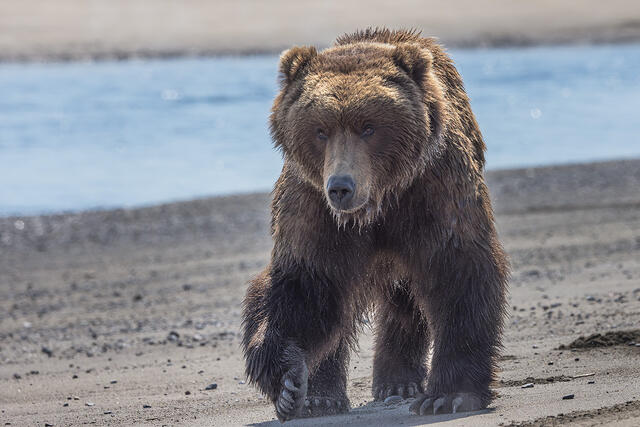
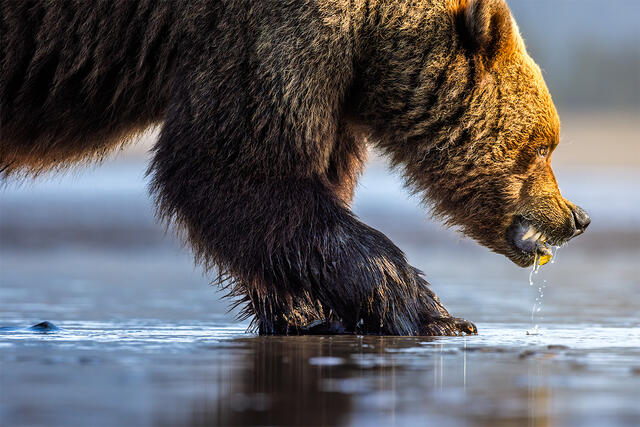
Using drones for recreational photography around marine mammals is illegal in many areas and can cause significant disturbance, altering the very behavior you hope to capture. The goal is to be a passive observer, documenting the natural world without influencing it. A truly great whale photo is one that is captured ethically, respecting the subject and its environment — my guide to brown bear encounters at Lake Clark breaks down the distance protocols and body-language cues that keep both photographers and bears safe. This means adhering to all viewing distance regulations and never pressuring a tour operator to get closer.
Consider taking a wildlife photography course to improve your technical skills and deepen your understanding of ethical practices in whale photography. My landscape photography for beginners guide is a great starting point for mastering the camera settings and fundamentals that carry directly into wildlife photography.
Ecological Significance of Bubble-Net Feeding
The Abundant Feast: Supporting the Food Chain
Bubble-net feeding is more than just a spectacle; it is a critical ecological process. By efficiently consuming tons of herring and krill each day during the feeding season, humpback whales play a significant role in the transfer of energy through the marine food web. The immense biomass they consume supports their own metabolic needs, fueling their growth, reproduction, and epic migrations. This intensive feeding helps regulate prey populations and connects the lower trophic levels of plankton and small fish to the apex predators of the marine world.
Sharing the Bounty: Eagles, Harbor Seals, Steller Sea Lions, and Orca Whales
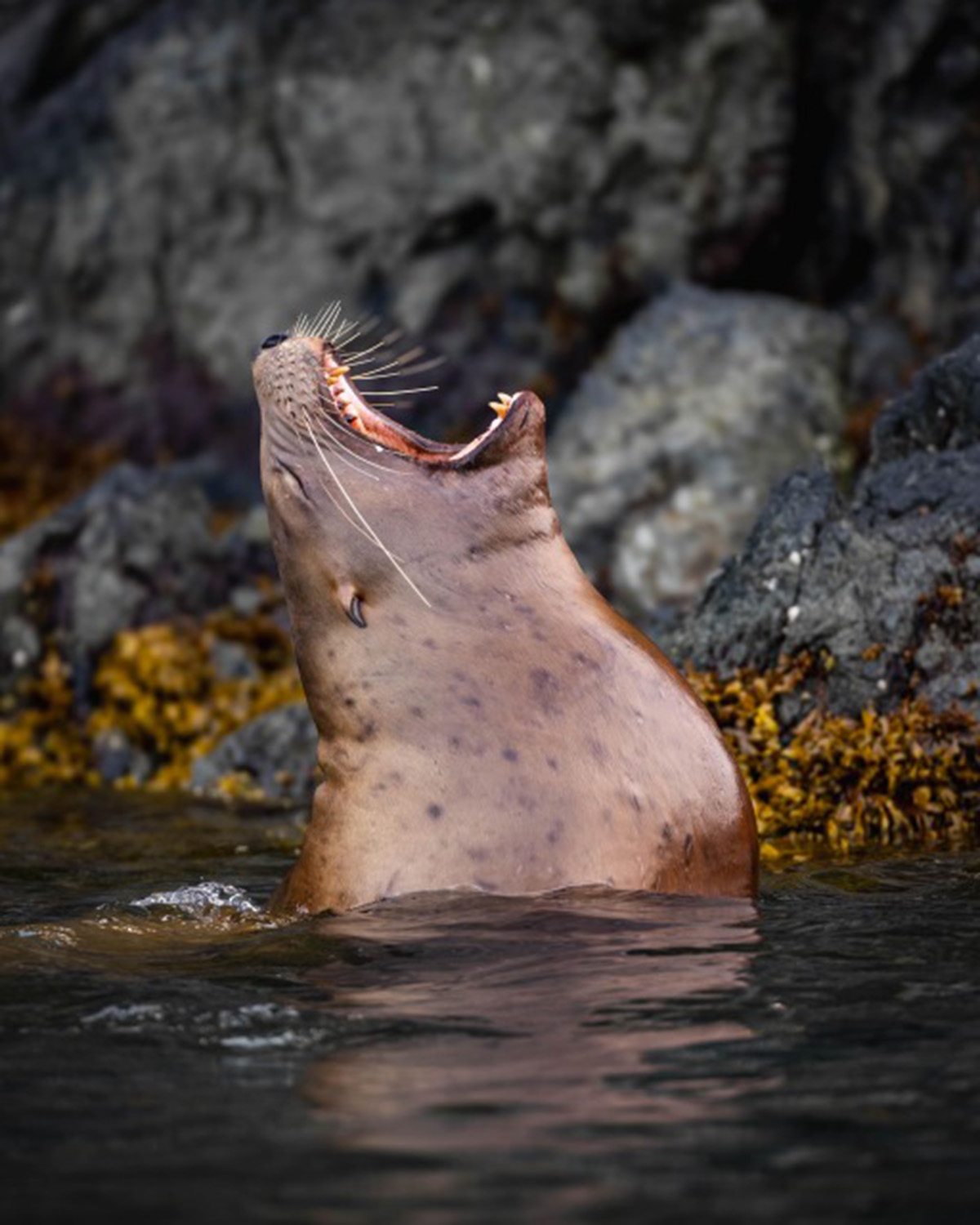
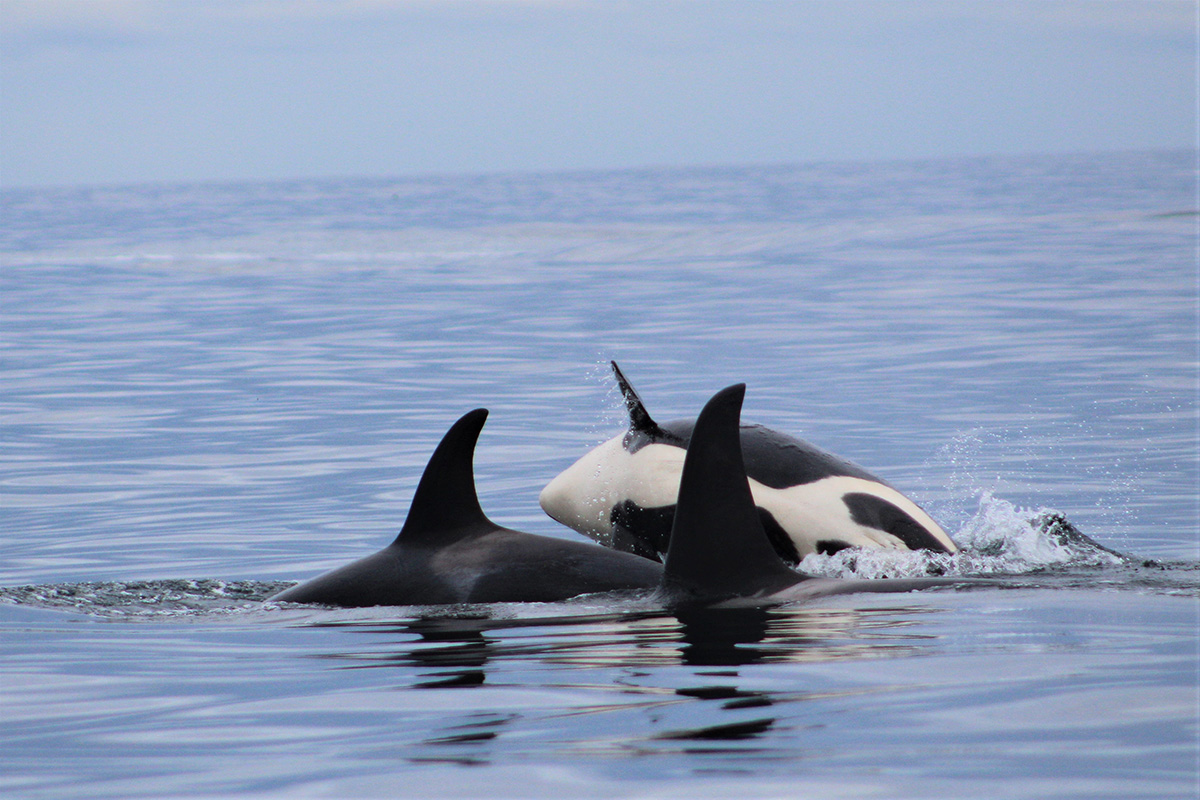
The chaos of a bubble-net feed creates opportunistic feeding bonanzas for other species. As humpback whales force fish to the surface, gulls, kittiwakes, and bald eagles often swarm above, diving to snatch stray or stunned fish. Below the surface, harbor seals and massive Steller sea lions are also frequently seen near the action, taking advantage of the concentrated prey that the whales have so conveniently corralled. Orcas, another apex predator in these productive Alaskan waters, can also be observed, sometimes interacting with or preying upon the same fish schools or even other marine mammals. This relationship highlights the profound interconnectedness of the Alaskan marine ecosystem, where the actions of one species create ripples of opportunity for many others.
A Vital Role: Humpback Whales as Ecosystem Engineers
Beyond their role as consumers, humpback whales also act as ecosystem engineers through a process known as the whale pump. By feeding at depth and releasing nutrient-rich fecal plumes near the surface, they transport essential elements like nitrogen and iron from the deep water to the sunlit photic zone where they are scarce. This nutrient recycling stimulates phytoplankton growth, which forms the very base of the entire marine food chain. In essence, the whale's feeding activities ultimately enhance the overall productivity of the ecosystem that sustains them.
Research and Conservation
Unraveling Secrets: Whale Researchers and Marine Mammal Research
Despite its fame, many aspects of bubble-net feeding remain a subject of active scientific inquiry. Whale researchers are working to understand how this complex behavior is transmitted between individuals, how roles are determined within a group, and how the strategy varies between different regions and populations. Long-term studies conducted by organizations and universities are essential for monitoring the health of whale populations and understanding how they are adapting to environmental changes like warming oceans and shifting prey distributions. In addition, research on mother and calf pairs, particularly during migration and breeding seasons, provides valuable insights into maternal behaviors and the development of young whales.
Tools of the Trade: Acoustic Monitoring and Health Studies
Scientists employ a variety of sophisticated, non-invasive techniques to study these whales. Photo-identification, which uses the unique black-and-white patterns on the underside of a whale's tail flukes as a fingerprint, allows researchers to track individual animals over their lifetime. Suction-cup tags equipped with sensors can record a whale's movements, sounds, and depth, providing a whale's-eye view of a feeding event. Acoustic monitoring helps decipher their complex communication, while collecting samples of whale blow can offer invaluable insights into their health, diet, and stress hormone levels without ever touching the animal.
Conservation in Action: The Role of Organizations
Protecting humpback whales and their critical Alaskan habitat is a collaborative effort. Government agencies work to enforce the Marine Mammal Protection Act, while non-profit organizations conduct vital research, advocate for protective policies, and engage in public education. Global partnerships promote responsible tourism and conservation on an international scale. These efforts are crucial for mitigating threats such as vessel strikes, fishing gear entanglement, underwater noise pollution, and the potential impacts of industrial projects on their food supply.
Conclusion: An Unforgettable Connection to Wild Alaska
Humpback whale bubble-net feeding in Alaska is far more than a mere wildlife sighting; it is a profound display of intelligence, strategy, and the intricate bonds of social cooperation. It reveals a complex culture existing just beneath the waves, where knowledge is passed down and teamwork is essential for survival. Witnessing this event connects us to the raw, untamed spirit of the Alaskan wilderness and underscores the vital importance of preserving the delicate marine ecosystems that allow such wonders to persist. As a testament to the power of collective action, the bubble-netting humpbacks offer a powerful lesson, reminding us of the deep intelligence that pervades the natural world and our shared responsibility to protect it for generations to come.
Join the 2027/2028 Alaska Humpback Whale Photography Workshop Priority List
Love whale photography? I'm planning a small-group 7 day workshop in Southeast Alaska for the summer of 2027, focused on slow-paced shooting, understanding whale behavior, and getting the most time on the water. Want to be the first to hear when dates are announced (before anyone else)?