Landscape Photography Blog | Tips, Guides & Trip Reports (Photography tips)
Embark on your photography journey with Face The Outdoors Photography—your go-to resource for tips, inspiration, and immersive adventures in landscape and nature photography. From capturing the beauty of the northern lights to mastering sunrise and sunset landscapes, I share valuable insights on camera settings, composition, trip-reports, and post-processing techniques. Whether you’re a beginner or an experienced photographer, my posts aim to cover everything you need to elevate your skills and create stunning images that capture the perfect moment in the natural world. Explore my adventures and join my hands-on workshops in breathtaking locations like Alaska, Norway, and Iceland to take your photography to the next level and become a part of our Face The Outdoors Photography community.
Responsible Tourism
Face The Outdoors Photography runs aurora tours, wildlife expeditions, and photography workshops in Alaska with an emphasis on responsible tourism practices. When photographing the northern lights or tracking wildlife, how Michael Schultz structures the tours affects both the results photographers get and the impact on the locations being visited.
Small group sizes keep the experience manageable. With fewer people, Michael can provide individual attention on camera settings and composition when conditions change quickly. It also means less impact on the sites visited and quieter approaches for wildlife photography. The locations are selected for minimal light pollution during aurora shoots and for wildlife activity patterns that Michael has learned over years working in these areas.
Aurora photography requires flexibility. Weather and sky conditions shift, sometimes rapidly. Michael tracks forecasts and aurora activity, then adjusts locations based on what's actually happening rather than sticking to fixed itineraries. This approach works better for photographers who need clear skies and active displays. He also accounts for practical needs during long shoots—heated transportation, access to facilities, and hot drinks when participants are standing outside for hours waiting for the lights.
Face The Outdoors Photography supports local communities in the areas where Michael operates and follows Leave No Trace principles in the field. Responsible tourism means protecting access to these locations for future photographers while minimizing current impact. It's how remote areas stay viable for wildlife and landscape photography over time.
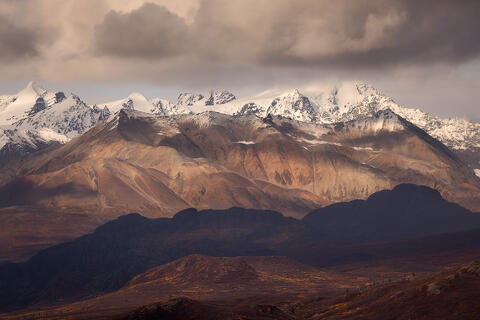
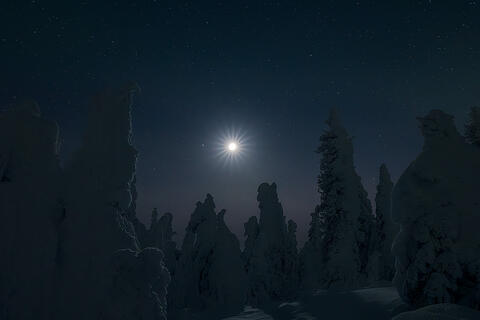
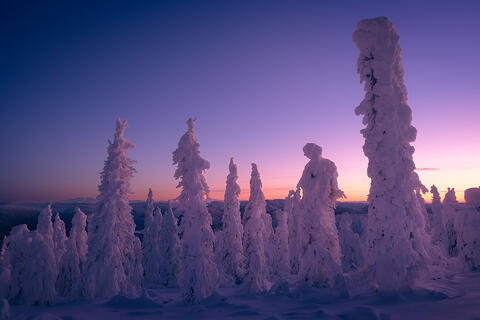
Examples of what Michael photographs during these workshops can be seen in the gallery, and trip details are available on the blog. The images show the kind of conditions and wildlife encounters participants work with in Alaska, and the blog posts cover trip reports and location details that help photographers understand what to expect.