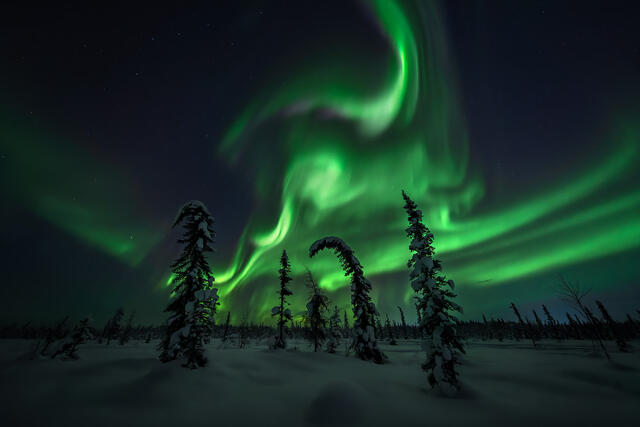
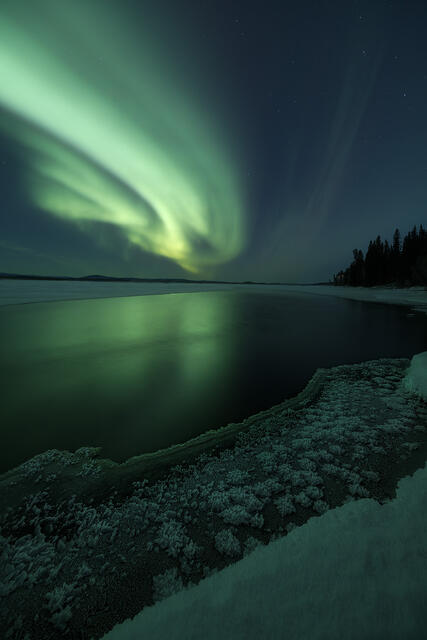
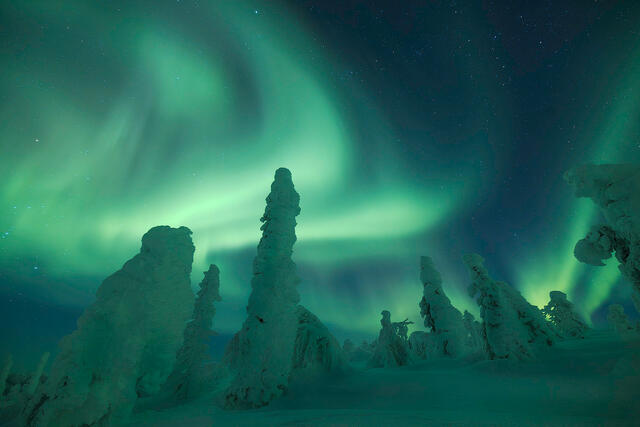
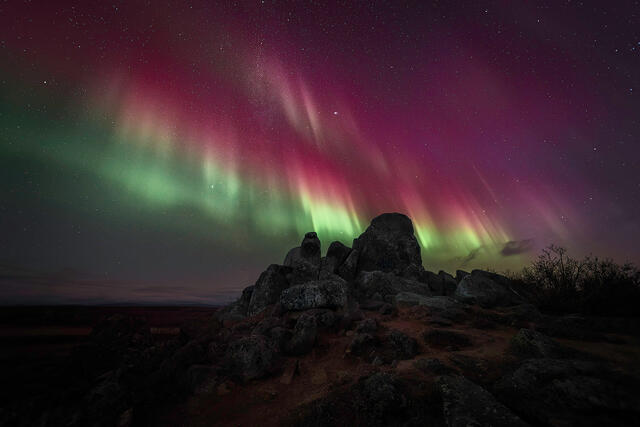
Michael Schultz’s gallery of northern lights photography is a breathtaking collection that captures the ethereal beauty of the aurora borealis. The Lofoten Islands, along with other locations in the far north and north, are renowned destinations for northern lights photography, offering dramatic landscapes and minimal light pollution for optimal viewing. Each photograph showcases the vibrant colors and dynamic movements of the lights as they dance across the night sky, illuminating the landscape below in stunning hues of green, pink, and purple.
With his keen eye for detail and composition, Schultz transports viewers to the remote locations where these natural wonders occur, allowing them to experience the awe-inspiring spectacle of the northern lights. Planning around the winter months and early spring is essential for optimal aurora viewing, as these seasons offer longer nights and favorable conditions in the northern hemisphere. To increase the chances of capturing good photos, it is important to avoid city lights, monitor the weather forecast, and check for cloud cover, as these factors can greatly impact the quality of your shoot.
Each image is carefully composed with a strong focal point, reflecting the photographer's personal preferences and artistic vision. The act of taking photos and timing the shoot are crucial for capturing the best quality pictures, and using a frame camera can help achieve the best quality in low-light conditions. While the northern lights are a phenomenon of the northern hemisphere, the southern hemisphere also experiences aurora australis, offering unique photographic opportunities for those seeking to expand their portfolio.