
Wildlife Photography in Lake Clark National Park: Coastal Brown Bear Focus
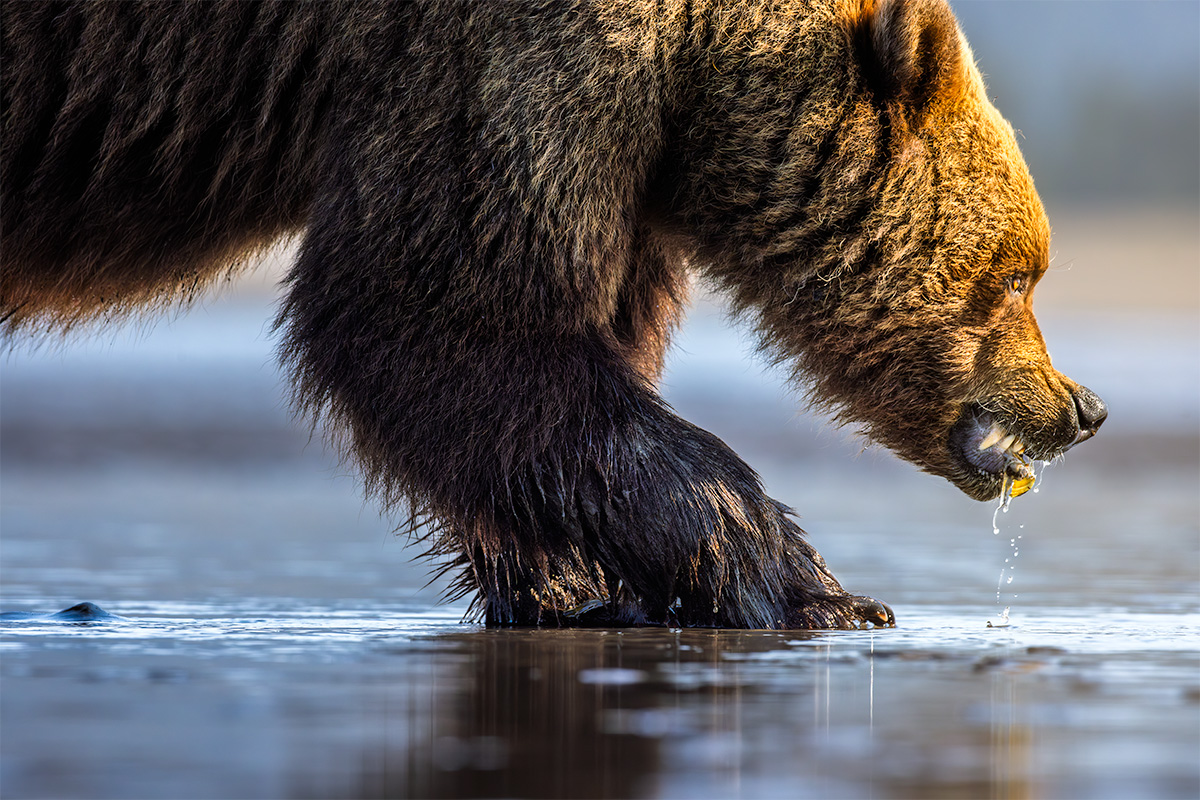
Have you ever dreamed of capturing the raw, majestic beauty of a coastal brown bear in its natural habitat? Standing amidst the cool, serene landscapes of Lake Clark National Park, your camera poised and ready as these magnificent creatures roam freely, represents one of photography's most thrilling experiences.
Lake Clark National Park in Alaska offers one of the most incredible opportunities for wildlife photographers, providing an awe-inspiring backdrop of mountains, glaciers, and pristine waters. The park is situated along the scenic Cook Inlet, which enhances its appeal for wildlife and landscape photography. This haven for coastal brown bears draws nature enthusiasts and photographers from around the globe, creating a sought-after destination for photography workshops that promise both adventure and unparalleled artistic inspiration.
If you're considering embarking on a photography workshop amidst this extraordinary wilderness, understanding the nuances of such a trip can be invaluable. From knowing the best times to capture intimate bear behaviors to preparing for the rugged conditions of the Alaskan wilderness, this detailed scouting report will serve as your gateway to a successful and unforgettable photographic journey.
I’ve been trying to get into this spot for years. Like, literally years. Many visitors compete for limited spots each season due to the park's popularity. The lodges that are actually permitted to operate in the park? They’re booked solid, and for good reason. But I finally managed to snag not just one, but two weeks for 2026—spring and fall opportunities that are gonna blow your mind.
Photographing Lake Clark? Get the free 40-page bears guide.
Discovering Alaska's Hidden Photography Paradise
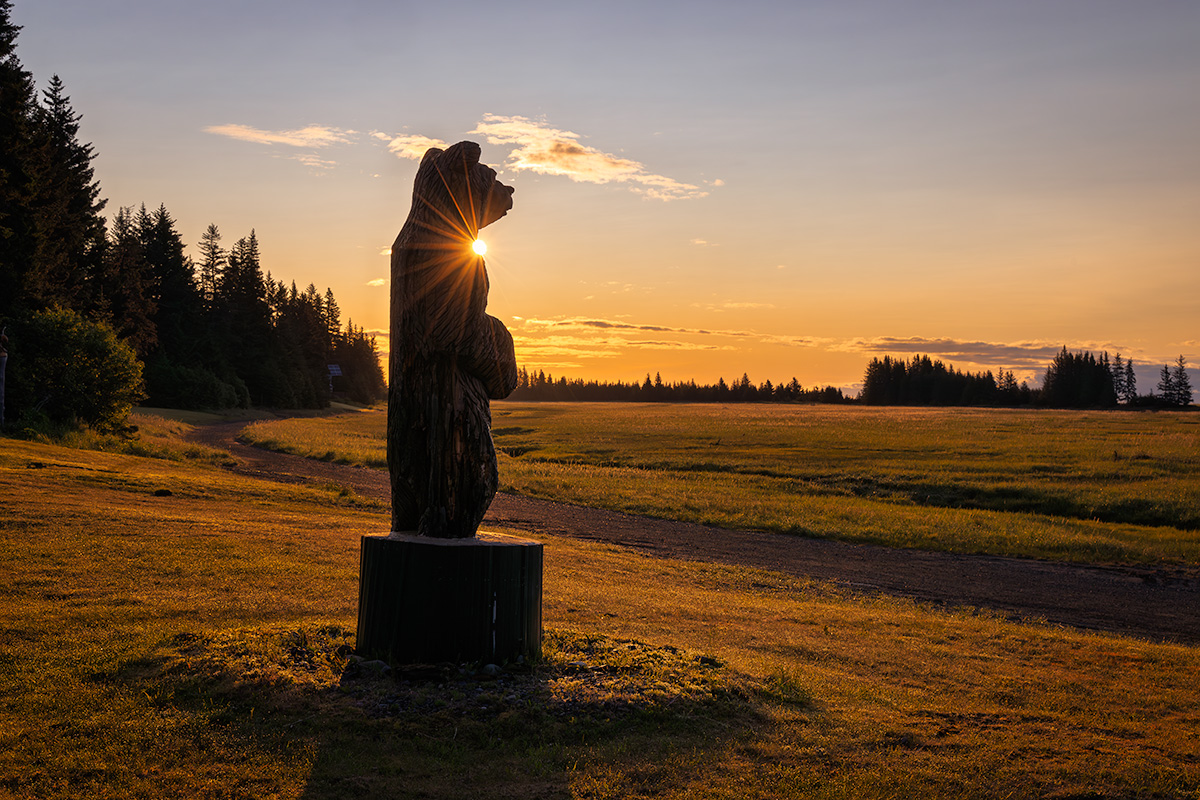
Lake Clark National Park stretches across four million acres of diverse Alaskan wilderness, but the Silver Salmon Creek area stands out as a photographer's dream destination. This remote corner of Alaska, accessible only by boat or plane, offers something truly special: the opportunity to witness and photograph coastal brown bears exhibiting behaviors you won't find anywhere else on Earth.
The park's unique ecosystem creates perfect conditions for bear photography. The abundance of salmon runs, razor clam beds, and diverse vegetation provides bears with rich feeding opportunities throughout the season. This natural abundance means bears are well-fed and relaxed, allowing photographers to capture authentic behaviors without the stress-induced aggression sometimes seen in other locations.
Why Lake Clark National Park Stands Apart
Unlike many bear viewing locations, Lake Clark National Park prohibits hunting within its boundaries. This protection has created generations of bears that are accustomed to human presence at safe distances. The result? Unprecedented photography opportunities where bears continue their natural routines as if cameras aren't clicking nearby.
The park’s coastal location also provides dramatic backdrops that elevate every photograph. Snow-capped mountains reflect in pristine waters, while expansive tidal flats and the beach area offer stunning compositions with bears as your subjects. The beach is a prime location for early morning photography sessions, especially during low tide when bears are often active clamming. The interplay of light, landscape, and wildlife creates images that capture the essence of Alaska’s untamed beauty.
Brown Bears vs Grizzly Bears: A Photographer's Guide
Capturing Two Icons of the Wild
For us wildlife photographers, understanding the differences between a brown bear and a grizzly bear is crucial for capturing incredible images! While all grizzlies are technically brown bears, not all brown bears are grizzlies. The key distinction for our camera lens often comes down to their environment and diet.
Coastal brown bears, like those in Alaska, have access to rich salmon runs, which allows them to grow much larger and congregate in groups, presenting amazing opportunities for behavioral shots. In contrast, the inland grizzly bear leads a more solitary life, offering a different photographic challenge—capturing a powerful symbol of the rugged, lonely wilderness.
These subtle differences in habitat and behavior create wonderfully unique photographic scenarios for all of us to exploreand appreciate. Whether you’re an experienced wildlife photographer or just getting started, photographing bears in their natural environment is an exhilarating experience. If you're new to photography, my landscape photography for beginners guide covers the camera settings and fundamentals that apply to wildlife shooting too.
The sheer power, grace, and adaptability of these creatures are a testament to the beauty of nature. To capture these moments, patience is key—waiting quietly, observing their behaviors, and respecting their space ensures both safety and stunning shots. Every encounter with these majestic animals is an opportunity to connect with the wild and share its story through your lens.
The Photography Experience: What to Expect
Daily Rhythms and Golden Light
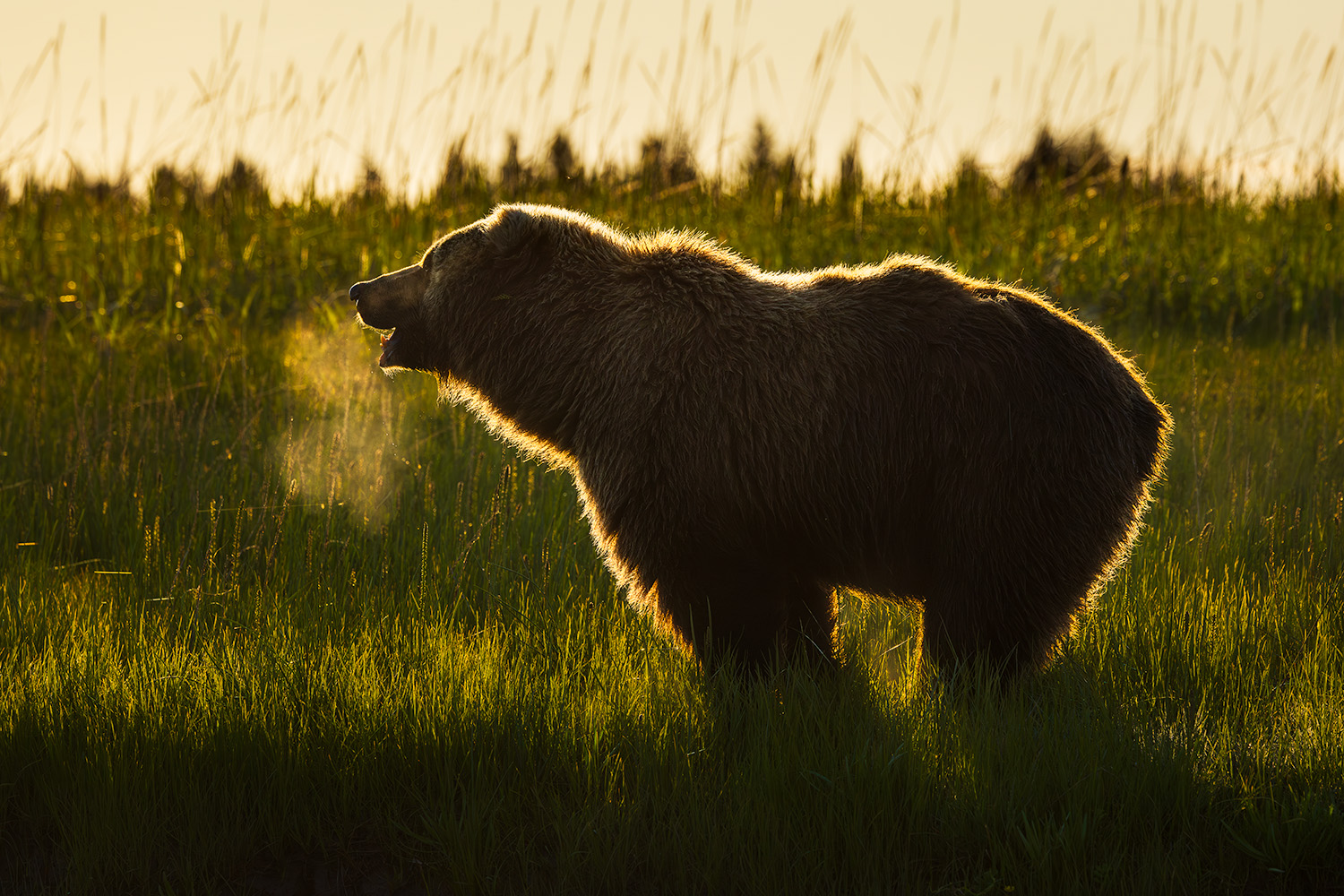
Alaska's extended daylight hours during peak season create a photographer's paradise. Morning sessions begin early, catching the low sun as it bathes bears in golden light. The soft, warm illumination creates stunning backlighting effects that transform ordinary bear portraits into extraordinary works of art.
Evening sessions extend well into what would be night in lower latitudes, providing hours of that coveted golden hour light. We also plan an evening shoot after dinner to take advantage of the unique lighting and increased bear activity at sunset, such as bears feeding in the mud flats or dramatic landscape shots. The abundance of quality lighting conditions means more opportunities to capture that perfect shot, whether it’s a bear silhouetted against the sunset or detailed portraits showcasing individual personalities.
Unique Bear Behaviors You'll Witness
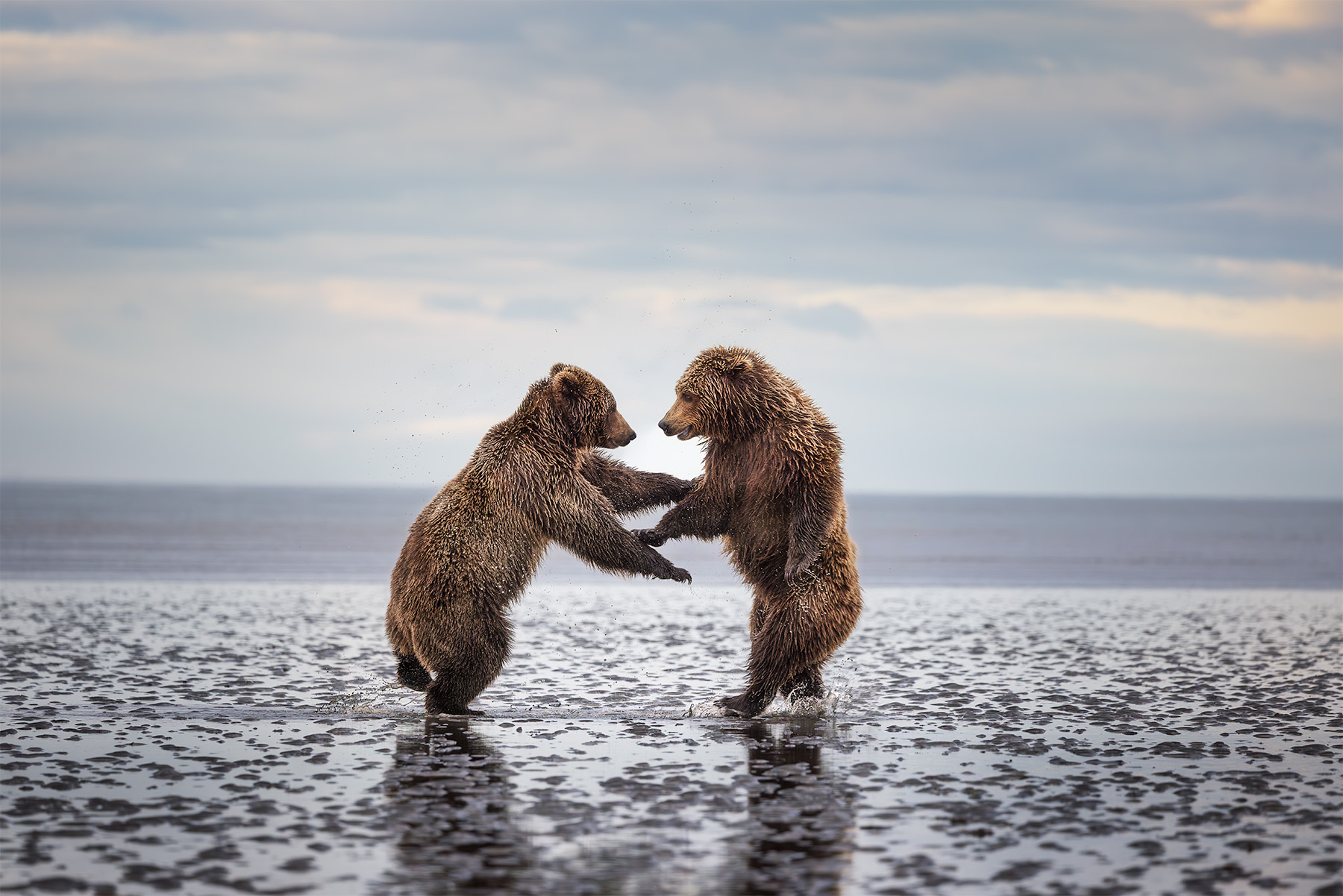
Lake Clark National Park offers exclusive access to behaviors rarely seen elsewhere. Spring courtship rituals provide intimate glimpses into bear social dynamics, while the famous clamming behavior—where bears dig for razor clams in tidal mud flats—occurs nowhere else in the world. These unique activities create photographic opportunities that allow you to capture shots that are both rare and memorable, setting your portfolio apart from typical bear images.
Each bear displays distinct personality traits that experienced guides can identify. Some bears are playful and curious, others are methodical and focused. Learning to recognize these individual characteristics helps photographers anticipate actions and capture more compelling images.
Beyond Bears: Diverse Wildlife Photography
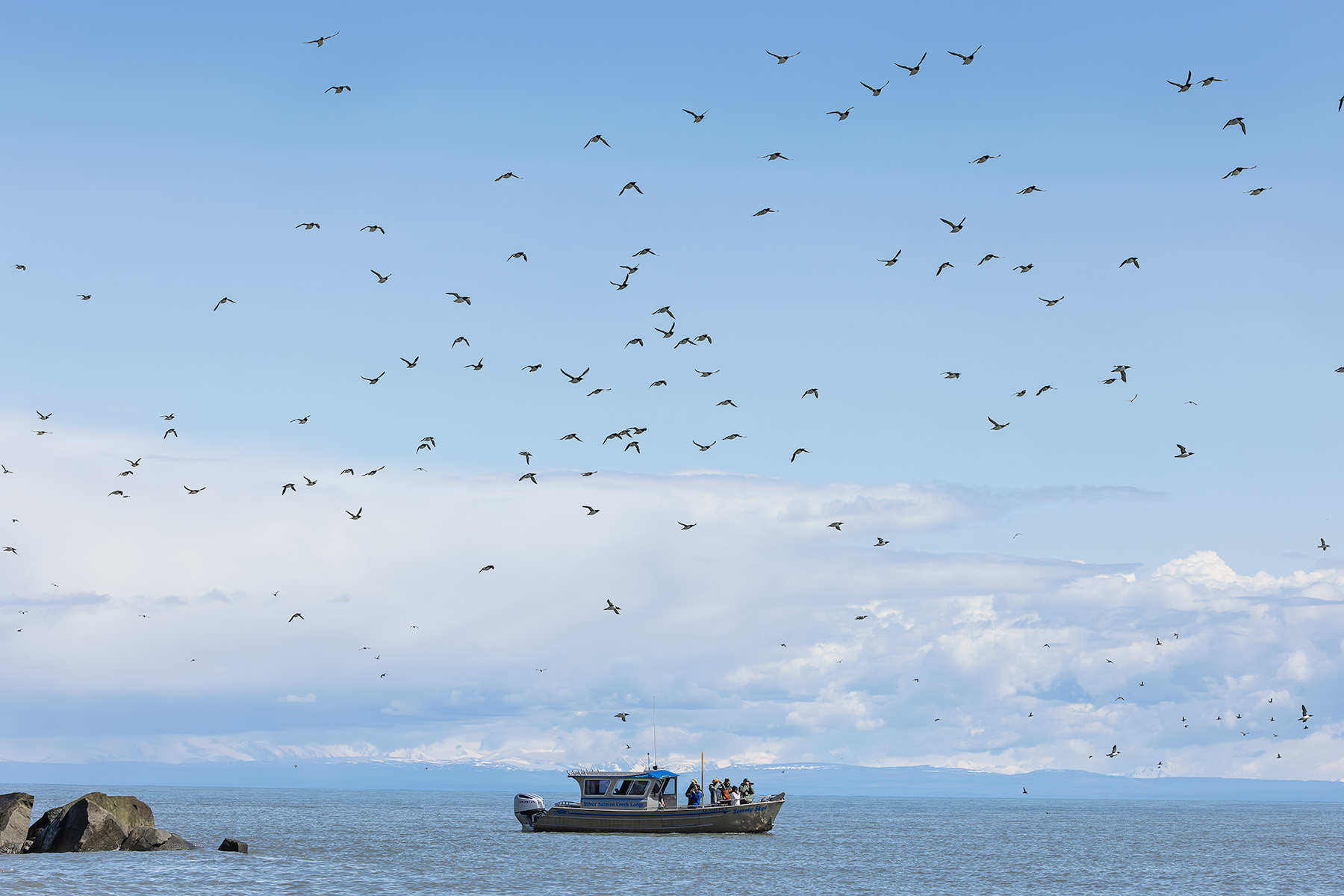
While coastal brown bears are the main attraction, Lake Clark National Park offers numerous other photography subjects. Bald eagles soar overhead, providing dramatic flight shots against mountain backdrops. Sea birds frequent the area, including puffins, gulls, kittiwakes, and harlequin ducks—a notable species for birdwatchers and wildlife photographers to spot and photograph in the park.
River otters play in coastal waters, while foxes occasionally appear for lucky photographers. The diversity of wildlife ensures that every day brings new photographic opportunities, even when bears are less active.
Bear Viewing and Safety: Responsible Encounters in the Wild
When it comes to bear photography in Lake Clark National Park safety and respect for these magnificent creature's natural habitat aren't just guidelines. They're everything. The thrill of capturing images of brown bears in the wild? It's unparalleled. But here's what makes it extraordinary: the responsibility that comes with it feels just as meaningful. At Lake Clark, bear viewing is always conducted with experienced guides who understand bear behavior and the rhythms of the park like they're reading poetry. These professionals help photographers like us interpret the subtle signs—a bear's posture, the way they move through their world—so you can anticipate that perfect moment while maintaining a safe and respectful distance. This is your pilgrimage, if you're ready for it.
Photographers are required to keep at least 100 yards away from bears. Period. But here's the thing—this distance ensures that the animals remain undisturbed and free to exhibit their natural behaviors, and honestly? It allows for more authentic images. Bears are less likely to alter their actions when they feel secure, which means you're capturing something real. Something true. Guides will help you spot signs of recent bear activity—fresh tracks, digging that tells a story—so you can position yourself for those shots that make your heart race without intruding on the bear's space. Whether it's Lake Clark or any wilderness encounter, what matters is capturing it with respect.
Being mindful of your surroundings is essential—and I mean truly present. Always stay alert. Move quietly. Avoid sudden movements that could startle these incredible animals. Never attempt to approach, feed, or interact with the wildlife. (Seriously, just don't.) Doing so can disrupt their routines and lead to dangerous situations for both humans and animals. By following these guidelines, you'll not only capture incredible images of brown bears in Lake Clark National Park—you'll contribute to the ongoing protection of this remarkable ecosystem. For photographers who dream in landscapes and wildlife encounters, responsible bear viewing ensures that future generations can continue to experience and photograph these magnificent animals in their natural habitat. This is what community looks like in the wild.
Accessing Remote Paradise: Logistics and Accommodations
Reaching Lake Clark National Park requires careful planning and flexibility. Most visitors fly from Anchorage to the Silver Salmon Creek area, weather permitting. The remoteness that makes this location special also means that flights can be delayed or cancelled due to weather conditions, and visitors may need to wait a few hours for weather to clear or for flights to become available.
Small aircraft are the primary transportation method, adding an element of adventure to your journey. Flying over pristine wilderness provides aerial photography opportunities and builds anticipation for the bear encounters ahead.
Luxury in the Wild
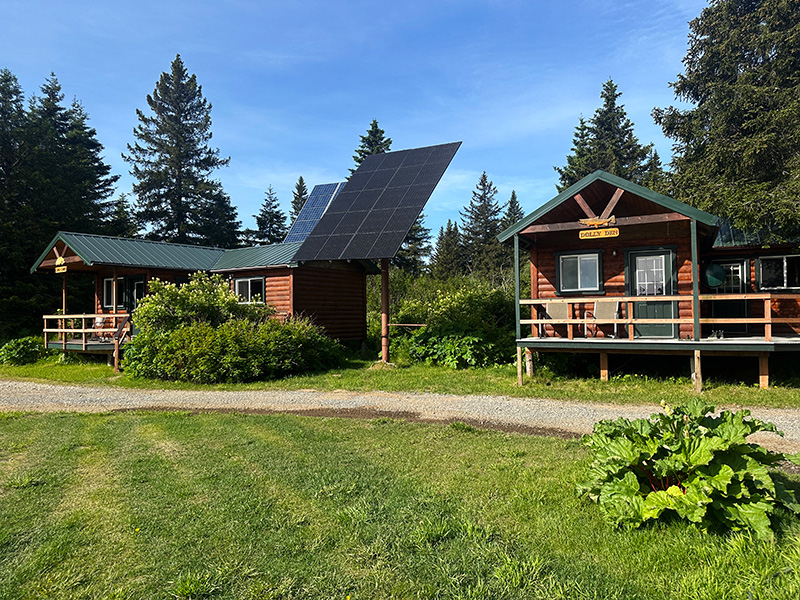
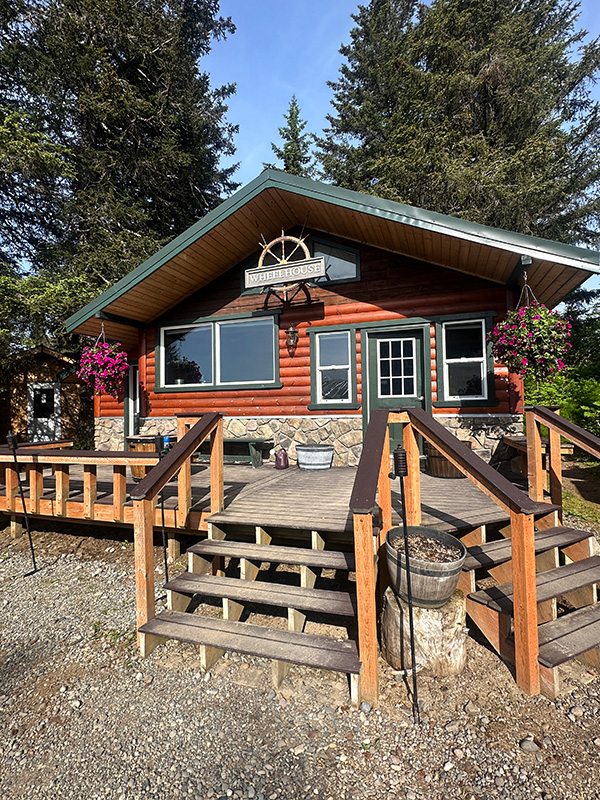
Despite its remote location, accommodations at Lake Clark National Park exceed expectations. Modern cabins feature running water, hot showers, and comfortable beds—luxuries that feel especially precious in such a wild setting. The contrast between rugged wilderness and comfortable lodging creates an ideal environment for photographers who need to rest and recharge between intense shooting sessions.
Meals are exceptional, featuring fresh Alaska seafood and hearty fare that fuels long days of photography. The dining experience becomes part of the adventure, with photographers sharing stories and comparing images over delicious meals. Sharing meals and stories with new friends not only enhances the sense of community but also creates lasting memories that make the wildlife photography in Lake Clark National Park even more special.
Limited Capacity, Maximum Experience
The lodge accommodates only 23 guests per night, maintaining a small footprint on this pristine ecosystem. Photography workshops are limited to just five participants per week, ensuring personalized attention and minimal impact on wildlife. Each person receives individual guidance from our expert instructors, allowing for a truly customized experience and better wildlife viewing opportunities.
Double occupancy rooms are standard, reflecting the commitment to environmental responsibility. The limited capacity also means that popular weeks fill quickly, often a year or more in advance.
Photography Tips for Success
Essential Equipment
Telephoto lenses are crucial for bear photography, allowing you to maintain safe distances while capturing detailed images. For wildlife photography in Lake Clark National Park, selecting the right telephoto lens is essential for both safety and image quality. A super telephoto lens, such as a 400mm or 600mm, is highly recommended for capturing distant wildlife with maximum detail. A 100-500mm lens or longer is recommended, with image stabilization helping in handheld situations. Wildlife photography with long lenses demands faster shutter speeds, which often means higher ISO — understanding the ISO and image quality tradeoff helps you make the right call in the moment. Backup camera bodies ensure you don’t miss opportunities if equipment fails.
Tripods provide stability for telephoto work and are essential for sharp images in low light conditions. However they can slow you down when trying to capture the shot before it's gone, so most of this type of shooting is handheld, however if you fear of shaking too much or if your camera gear doesn't have image stabilization a monopod would be a better choice. Weather protection for your gear is also important, as Alaska's climate can be unpredictable.
Composition Techniques
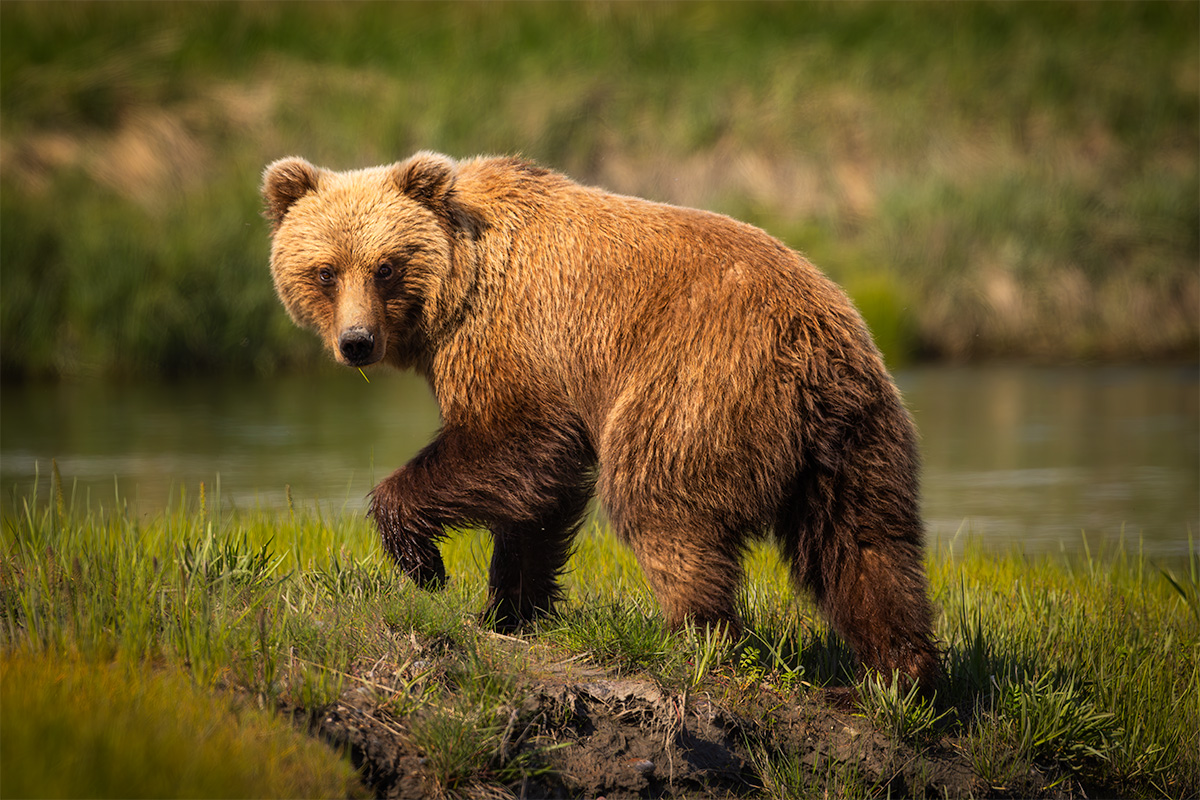
Environmental portraits work exceptionally well in Lake Clark National Park. Including the stunning landscape in your bear photographs tells a more complete story and showcases the magnificent habitat these animals call home. Wide-angle shots of bears against mountain backdrops create powerful images that transport viewers to this remote paradise.
Detail shots of bear behavior—paws digging for clams, expressions during feeding, or interactions between individuals—provide intimate glimpses into bear life. Close ups of bears and their cubs, especially at eye level, can evoke emotion and showcase unique behaviors that might otherwise go unnoticed. These close-up images complement the environmental portraits for a well-rounded portfolio.
Working with Professional Guides
Local guides possess invaluable knowledge of individual bears, their territories, and behavioral patterns. They can predict where bears are likely to appear and what activities they might engage in based on factors like tides, weather, and seasonal cycles. Guides often head out with the group to the best locations for wildlife photography, ensuring participants are in the right place at the right time for optimal shots.
Safety is paramount when photographing large predators. Guides ensure that all photography activities occur at appropriate distances, keeping both humans and bears comfortable. Their expertise allows photographers to focus on capturing images rather than worrying about safety protocols.
Seasonal Considerations
Spring Photography Opportunities
Spring brings brown bears emerging from winter dens, spring cubs, and creating opportunities to photograph brown bears in their thick winter coats. Courtship behaviors are common during this season, providing action shots and intimate glimpses into bear social dynamics. For a day-by-day look at exactly this — spring cubs, clamming lessons, and a sow named Long Nose raising two — read my spring bear workshop trip report.
The landscape during spring shows dramatic contrasts between snow-covered mountains and emerging vegetation. This seasonal transition creates stunning backdrops that enhance brown bear photography.
Fall Photography Season
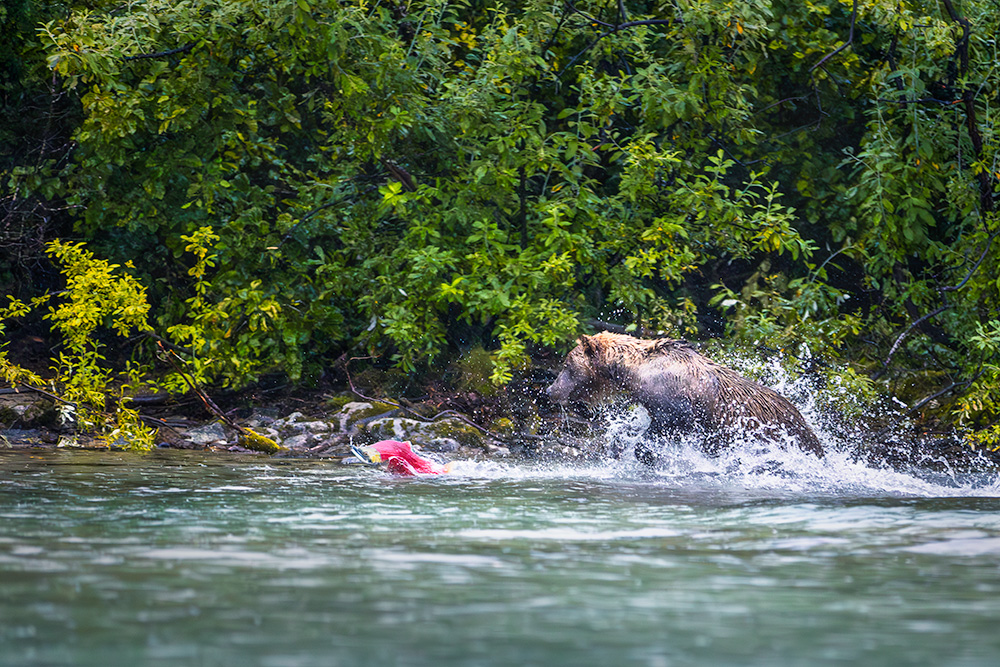
Fall offers different photographic opportunities as bears prepare for winter. Salmon runs bring feeding frenzies that create action-packed photography sessions. Brown bears are often more active during fall, building fat reserves for winter hibernation. My fall brown bear photo safari.
Autumn colors in the vegetation provide warm, rich tones that complement bear photography. The changing season creates a sense of urgency and preparation that translates into compelling images.
National Park Preservation: Protecting Lake Clark’s Wild Legacy
Lake Clark National Park—I mean, have you ever stood in front of something so wild it makes your camera shake? This place isn't just some destination for bear shots (though the brown bear photography here will leave you breathless). It's Alaska at its most raw, most honest. We're talking brown bears that move like poetry, bald eagles cutting through that endless sky, moose wandering through landscapes that look like they were painted by someone who'd never heard the word "compromise." If you're a photographer who dreams in wilderness—this is what we travel for. The untouched landscapes here? They're not just photo opportunities. They're treasures that remind us why we picked up cameras in the first place.
The National Park Service—and honestly, bless them for this—works around the clock to keep Lake Clark's ecosystem in that delicate, perfect balance we all crave to capture. Habitat restoration, wildlife management, conservation measures that matter. These aren't just policies on paper; they're the reason you can still witness authentic brown bear behavior in a truly wild setting. The reason your camera can document something real, something that hasn't been touched by the outside world. For photographers like us who understand that the best shots come from patience and respect—this work creates the sanctuary where those magical moments actually happen.
Here's the thing about protecting Lake Clark's wild legacy—we're not just visitors with cameras. We're guardians of something extraordinary. Every time you stick to those designated paths (even when the light is perfect just off-trail), every piece of waste you pack out, every respectful distance you keep from wildlife—you're investing in this place's future. And the reward? It's more than just those breathtaking brown bear images or that perfect bald eagle shot. You become part of preserving one of Alaska's most remarkable national parks. Whether it's Lake Clark or any wild place that calls to you, what matters is capturing it together—with respect, with wonder, with the knowledge that we're protecting these moments for the next photographer who'll stand where we're standing, feeling that same "I can't believe this is real" rush. This is for those who see wilderness photography as more than just taking pictures—it's about feeling something worth protecting.
Clark National Park Rules and Regulations: What Every Photographer Should Know
Standing in Lake Clark National Park with your camera, watching massive brown bears move through their ancient landscape—this is what we dream about as wildlife photographers. But here's the thing: before you step into this extraordinary world, you need to understand the park's essential guidelines. These aren't just bureaucratic rules. They're the foundation that lets us experience something incredible while protecting the very wildlife that makes our hearts race.
The key rules? They're actually pretty straightforward, and honestly, they make perfect sense when you're out there. Stay 100 yards back from all bears—trust me, that telephoto lens is your best friend here. Never feed wildlife or try to get closer for "just one more shot." Stick to those marked trails. Your boots belong on designated paths, not trampling through bear habitat. And leave the drones at home. Same goes for flash photography. Bears don't need that kind of stress, and neither do you when you're trying to capture something magical.
This is what it comes down to: following these guidelines means Lake Clark stays wild and beautiful for every photographer who comes after us. Whether this is your first bear photography pilgrimage or your tenth return, you're part of something bigger. Each time we respect these rules, we're preserving this incredible opportunity for photographers like us who understand what it means to witness brown bears in their element. Leave the park exactly as wild as you found it, and those unforgettable images will keep happening for generations of wildlife photographers to come.
Planning Your Photography Adventure
Booking Considerations
Popular photography workshops at Lake Clark National Park fill quickly, often requiring reservations a year or more in advance. The limited capacity and high demand mean that interested photographers should book as early as possible.
Weather can impact travel plans, so building flexibility into your schedule is essential. Extra days before and after your workshop can accommodate potential delays while ensuring you don't miss this once-in-a-lifetime opportunity.
Physical Preparation
While accommodations are comfortable, brown bear photography requires some physical activity. Walking on uneven terrain, carrying camera equipment, and spending long hours outdoors are part of the experience. Basic fitness preparation enhances your enjoyment and photography opportunities.
Weather conditions can change rapidly, so packing appropriate clothing for various conditions is crucial. Layering systems work best, allowing you to adjust to changing temperatures and weather patterns.
Your Gateway to Unforgettable Wildlife Photography
Lake Clark National Park represents the pinnacle of brown bear photography experiences. The combination of unique behaviors, stunning landscapes, comfortable accommodations, and expert guidance creates opportunities that exist nowhere else on Earth.
The intimate setting, limited capacity, and pristine environment ensure that your photography adventure will be both exclusive and environmentally responsible. Whether you're capturing the only place on Earth where bears dig for clams or witnessing spring courtship rituals, every moment offers potential for National Geographic-quality images.
For photographers seeking to elevate their wildlife portfolio and Alaska wildlife photography with images that tell compelling stories, Lake Clark National Park offers an unparalleled experience. The memories and photographs from this remote Alaskan paradise will inspire and amaze you for years to come.
Ready to embark on this extraordinary photography adventure? With only limited spots available each season, now is the time to secure your place in this exclusive wildlife photography experience. Your camera—and your portfolio—will thank you for this incredible journey into one of Alaska's most magnificent wilderness areas.
Don’t miss this once-in-a-lifetime opportunity to capture the majestic Alaska brown bears in their natural habitat! Sign up today for our exclusive Alaska brown bear photography workshop and take your wildlife photography to the next level. Spots are limited to 5 for each workshop and fill up quickly, so act now to secure your place in this extraordinary adventure.
Check out: Brown Bear Encounters in Lake Clark National Park: Brown Bears of Alaska
Contact us to reserve your spot and start preparing for an unforgettable experience!