
What It Actually Costs to Run a Photography Workshop

What It Looks Like to Running a Photography Workshop
I stared at the invoice: $11,000—the 50% deposit on accommodations for my Norway workshop. I hadn't even confirmed all 10 participants yet. If this didn't fill, I'd be personally liable for every empty room.
Welcome to running international photography workshops.
I've been guiding photographers through Alaska's landscapes for years—chasing aurora across frozen tundra, finding the perfect light on snowcapped peaks, spending hours driving to find clear skies when the forecast looked impossible. That's what Face The Outdoors Photography is built on: dedication to the craft, commitment to finding the shot, and creating a community of photographers who see nature the way I do.
But taking that mission international to Norway? That was a whole new financial reality.
I charged $6,200 per person. Ten photographers signed up. That's $62,000 in gross revenue. Want to know how much I actually kept? $14,300. Here's where the other $47,700 went—and why understanding photography workshop pricing matters whether you're booking one or thinking about leading your own.
Quick Takeaways (Read This First)

For Photographers Considering a Workshop:
• Workshop prices reflect 6+ months of work, not just 7 days on location
• Small groups (5-10 people) = higher per-person costs but dramatically better instruction
• Double occupancy saves $800-3,500 per person in remote locations
• You're paying for expertise, not just access—guides who'll chase conditions at 3 AM
For Aspiring Workshop Leaders:
• Expect 77% of revenue to go to direct costs on international workshops
• Build 20% contingency into all pricing—things WILL go wrong
• Your first international workshop is education, not income
• Track every single expense from day one (you'll need it for taxes and future pricing)
Why I'm Writing This (And Why Now)
I'm writing this as I plan my 2026-2027 workshop calendar. After a few years of running photography workshops, I've finally learned what works financially—and what nearly bankrupted me that first year.
If I'd had this breakdown before my first Norway trip, I would have made different decisions. I would have understood why that $6,200 price tag wasn't too high—it was barely enough. I would have known which corners I could cut (fancy marketing materials) and which I couldn't (local guides who know the light and locations).
Consider this the guide I wish I'd had.
This post serves two audiences:
First, if you're considering joining one of my workshops, you'll understand the value you're receiving and the dedication behind every detail. You'll know exactly where your investment goes—not into my pocket, but into creating the experience you deserve.
Second, if you're thinking about leading photography workshops yourself, you'll have realistic expectations about the photography workshop business model before you risk your savings on deposits and marketing.
When you book a workshop with Face The Outdoors Photography, you're not just paying for a week of instruction. You're investing in months of planning, significant financial risk, and the expertise I've built spending countless nights in -30°F darkness searching for aurora, or hours driving to find that clear sky when conditions looked impossible.
Let me show you what that actually looks like.
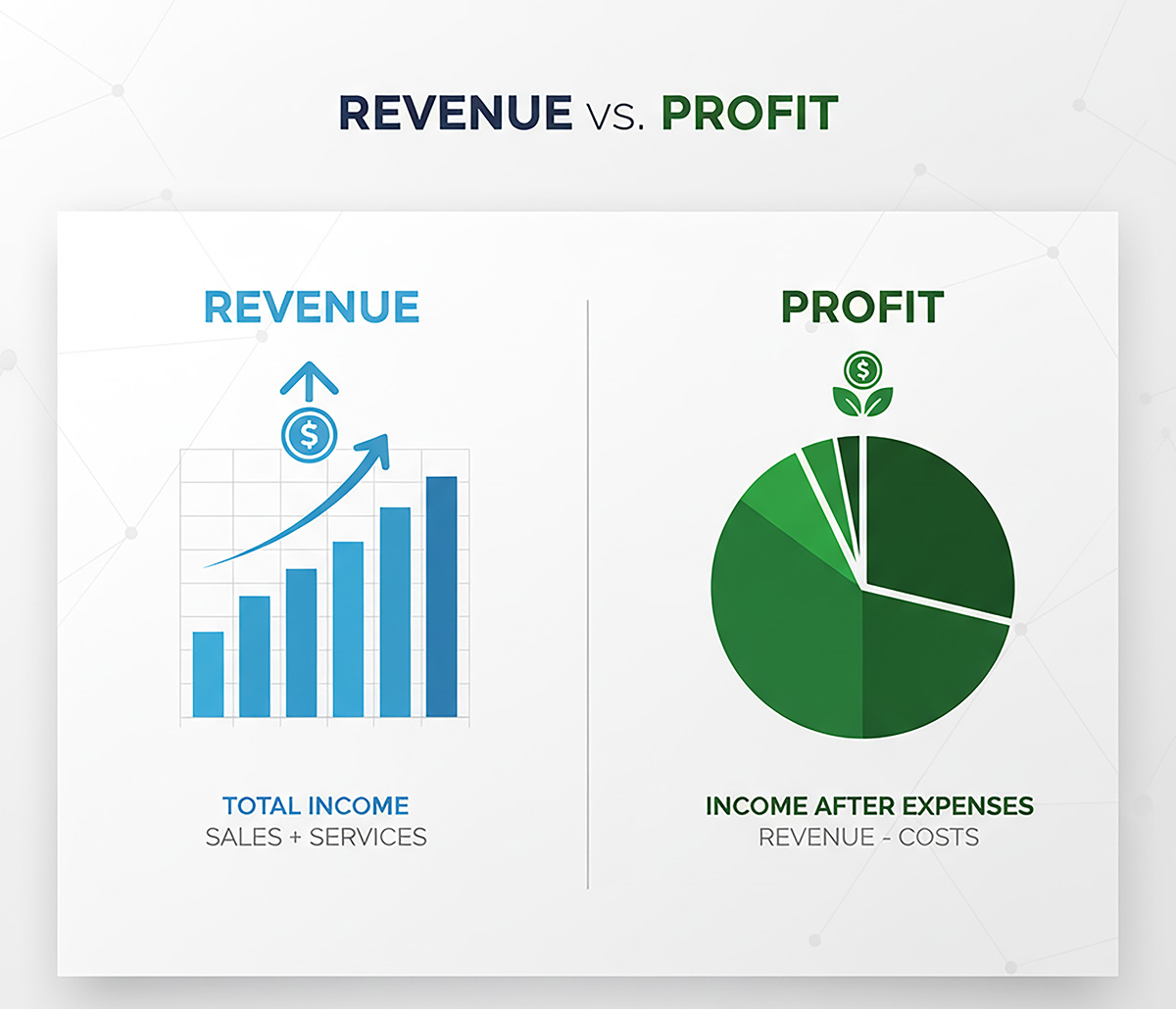
The Big Picture: Revenue vs. Profit
Many photographers see "$6,200 workshop" and assume that's profit. I thought the same thing before I ran my first international trip.
The reality of photography workshop profit margins? Most small workshop leaders make 15-30% if things go well. First-year international workshops? You're often just trying to break even, prove the concept, and build your reputation beyond your home territory.
Here's the real example from my Norway workshop—my first venture taking Face The Outdoors international, and one I'm incredibly proud of despite the financial reality.
Workshop Details:
• Location: Lofoten Islands, Norway
• Price per person: $6,200
• Number of participants: 10 (fully booked)
• Gross revenue: $62,000
When I saw that $62,000 number, I felt a mix of excitement and terror. Excitement because ten photographers believed in the Face The Outdoors vision enough to travel halfway around the world with me. Terror because I now had to deliver—and that money wasn't mine to keep. Most of it was already committed before the first participant even arrived in Norway.
Let me show you where it actually went.
The Real Costs: Where $62,000 Goes
Our photo tour of the Lofoten Islands was truly the trip of a lifetime. The entire experience was well organized — from rustic Fishermans’ cabins and tasty local food to well-planned shooting locations that captured the best of Lofoten’s amazing light and landscapes.
Boris
Breaking down the actual expenses of running a photography workshop reveals why that $6,200 per person price reflects value, not profit. Every dollar is accounted for—and most are committed months before participants arrive.
Accommodations: $22,000 (35%)
This was the single largest expense, and it had to be paid in full months before the workshop. In Norway, especially in sought-after photography locations like Lofoten, accommodations aren't cheap.
I booked traditional rorbu (fishing cabins) in Lofoten and accommodations in Mortsund for our group. In Lofoten, everyone had their own private cabin—couples together, solo photographers each with their own space. In Mortsund, couples had their own cabins while solo travelers shared a cabin but had individual bedrooms and private bathrooms, with only common areas like kitchens and living rooms being shared.
Important note on occupancy: Single occupancy? I can arrange it, but expect to add $800-3,600 to your workshop cost. The logistics of booking twice the rooms in remote locations like Lofoten drives prices up fast. That's why I typically run double occupancy workshops—it helps cut overall costs and keeps the experience more accessible to photographers while still maintaining comfortable, quality accommodations.
This setup was intentional—after long days of shooting in harsh Arctic conditions, photographers need space to rest and review images, but shared accommodations foster the community atmosphere Face The Outdoors is built on.
Here's what many people don't realize: as the workshop leader, I don't stay for free. I'm paying for my own room too. That's part of treating this as a sustainable business rather than a side hustle.
The reality: I had to put down a 50% deposit six months before the workshop. That's $11,000 out of pocket before I'd even collected all participant payments. If the workshop hadn't filled, I'd have been personally liable for those empty rooms.
Breakdown:
• 7 rooms (3 couples + 4 solo photographers) × 7 nights = 49 room-nights
• Average cost per room per night: ~$450
• My room: Included in the above
The accommodations weren't just about beds—they were about creating space where photographers could gather after sunset, share the day's best shots, troubleshoot each other's exposure challenges, and build the relationships that turn a workshop into a community.
Transportation & Local Guides: $12,500 (20%)
Getting accommodations secured was just the first major expense. Getting 10 photographers to remote shooting locations across Lofoten's 1,000 square miles in fall conditions? That's where things got expensive—and where local expertise became non-negotiable.
Norway isn't cheap to navigate, and Lofoten requires local expertise to access the best photography locations at the right times. Here's something aspiring workshop leaders need to know: In Norway, you need a specific passenger transport endorsement under Norwegian law to haul passengers commercially. I couldn't just rent a van and drive participants myself, even if I'd wanted to save money. Sometimes regulations make your budgeting decisions for you—and in this case, it led to one of my best decisions.
I hired Lofoten Tours—two Norwegian guides to drive us and navigate to prime shooting locations. This wasn't just about legal compliance or convenience. It was about delivering the Face The Outdoors experience without the luxury of pre-scouting the location myself.
Normally, I fly to workshop locations well before they're even scheduled—months in advance—to scout photo opportunities, understand the light, and plan every detail. But Norway? I couldn't break away to do that. So I invested heavily in local expertise to ensure participants still got the quality experience they deserved.
My costs:
• Roundtrip flights from Alaska to Norway: $2,600
• Internal Norway flights: $800
Group costs:
• Two Norwegian guides (7 days, including vehicles and expertise): $6,200
• Fuel for a week of location hopping: $1,800
• Tolls and parking: $400
• Vehicle insurance: $1,600
• Airport transfers for the group: $700
The transportation costs were substantial, but this is where my workshop leadership philosophy shows up in the budget. I keep group sizes small (10 participants maximum) so that when workshops don't fill completely, the financial burden is manageable—and I can still deliver the experience without compromising quality. Larger companies run 15+ person groups because they need that volume. I stay small because that's how you build real community and genuine connections.
Those two Norwegian guides were worth every dollar. They knew exactly where to take us for prime light, understood the weather patterns, and got us to locations I would have spent months scouting myself. At 4:45 AM one morning, we were hunched over weather radar together, deciding whether to chase clear skies 1 hour north for sunrise or gamble on the forecast clearing locally. We drove north. We got the shot. That's what $6,200 buys.
Permits, Insurance, and Fees: $4,200 (7%)
These are the costs photographers never think about, but they're essential for running a professional, legitimate operation. Skip these, and you're not running a business—you're gambling with other people's safety and your own financial future.
Business insurance:
• General liability insurance: $1,800/year (prorated for this trip)
• Professional liability (errors & omissions): Included in annual policy
Permits and access:
• Location permits where required: $400
• Photography permits for certain areas: $300
Payment processing:
• Credit card fees (3% of all payments): $1,860
• International wire transfer fees: $240
That payment processing fee? It's invisible to participants, but 3% of $62,000 is real money. Every time someone paid their deposit or balance, I was paying the credit card company to accept their payment. No way around it—photographers expect to pay by card, and those fees are part of doing business.
Note: I don't offer trip cancellation insurance for participants. That's a personal decision—participants are responsible for their own travel insurance. It keeps the workshop price lower and gives people flexibility to choose coverage that fits their needs.
"At 4:45 AM we were hunched over weather radar, deciding whether to chase clear skies 1 hour north for sunrise or gamble on the forecast. We drove north. We got the shot. That's what you're paying for—guides who'll make that call.
Meals: Minimal, Strategic Inclusions
Here's where I made a strategic decision that keeps workshop pricing more accessible: I kept meal costs minimal and gave participants control over their own food budget.
What I included:
• Breakfasts at the start of the workshop and final day at the hotel: $300 (included before our departure flights)
• Classroom space rental for post-processing sessions: $600 (two full days of instruction space)
What I didn't include:
Daily lunches and dinners throughout the week.
Here's my reasoning: Photographers have wildly different dietary needs, preferences, and budgets. Some want to splurge on Norwegian seafood every night ($40-60 per meal). Others prefer simple meals to save money for gear or future workshops. Rather than build in an average meal cost that wouldn't satisfy anyone, I gave people freedom to eat as they wanted.
We ate as a group when we went out to restaurants, and we went grocery shopping so that if people wanted to eat in and relax away from it all, they had the option and the peace of mind. This kept the workshop price more accessible while giving participants flexibility—whether they wanted the social experience of dining out together or the quiet comfort of preparing their own meals in the cabin.
Workshop Materials and Field Support: $1,500 (2%)
Running a Face The Outdoors Photography workshop requires more than just showing up with a camera and years of experience. The planning, preparation, and contingencies add up—and they're non-negotiable if you want to deliver professional quality.
What this covered:
• Custom pre-trip guides I created for participants: $400
• Premium weather monitoring and forecasting tools: $180 (essential for aurora and landscape work)
• Backup equipment rentals (just in case): $500
• Emergency fund: $420
Let me tell you about that emergency fund. One night at 8 PM, a participant told me—they'd left their luggage 4 hours back in Narvik. We were shooting the next morning's golden hour. I paid a local driver to make the 8-hour round trip overnight. The look on their face when I handed them their gear that night, ready to shoot ready for the next day? That's why I build contingency into every budget.
I spent roughly 60 hours before the trip on planning, participant communication, and preparation. Additionally, I invested 10-12 hours building the website landing pages and editing the content and media for the workshop promotion. If I paid myself even a modest hourly rate for that time, it would add thousands to the cost. But that's part of building a business around this work—you invest time upfront because the experience matters more than the immediate return.

Marketing and Business Operations: $5,200 (8%)
Getting the workshop filled and maintaining the Face The Outdoors brand requires significant investment—more than I initially anticipated. In a competitive workshop market, simply having great photos and local expertise isn't enough.
Annual costs (prorated for this workshop):
• Website hosting and maintenance: $200
• Email marketing service: $200
• Photography portfolio site: $200
Workshop-specific advertising:
• Social media advertising: $2,000
• Google Ads: $2,000
• Targeted photography forum promotions: $600
Total marketing: $5,200
That advertising expense was a wake-up call. Between Google Ads and social media, I spent $4,000 just on digital advertising to fill this workshop. You need to reach photographers where they are—scrolling Instagram, searching Google, reading forums, planning their next trip.
Here's what made it worthwhile: half of the participants on this Norway workshop were returning guests—photographers who'd joined me for Alaska workshops and trusted Face The Outdoors enough to travel internationally with me. That's the real return on investment. Not just filling one workshop, but building relationships that bring photographers back again and again. Those returning guests are proof that my approach—small groups, real community, dedication to the experience—actually works.
This doesn't include the years I spent building my photography portfolio, establishing Face The Outdoors in Alaska, and earning the trust that makes photographers willing to travel internationally with me. That's sunk cost and personal investment in my craft.
My Travel and Contingency: $1,400 (2%)
Additional costs:
• My meals during the workshop week: $600
• Currency exchange fees: $400
• Contingency fund: $400 (for unexpected issues—weather delays, equipment problems, location access issues)
As the leader, I was photographing alongside the group, scouting locations from pre-dawn to after dark, and constantly problem-solving. Just like those Alaska aurora tours where I'll stay out until 3 AM to get the shot, I brought that same dedication to Norway. These costs are easy to overlook but very real.
The Math: Where I Actually Landed
Let me show you the full breakdown:
GROSS REVENUE: $62,000
(10 participants × $6,200)
COSTS:
Accommodations: $22,000 (35%)
Transportation & Guides: $12,500 (20%)
Permits/Insurance/Fees: $4,200 (7%)
Meals/Classroom Space: $900 (1.5%)
Materials/Field Support: $1,500 (2%)
Marketing/Operations: $5,200 (8%)
My Travel/Contingency: $1,400 (2%)
TOTAL COSTS: $47,700 (77%)
NET PROFIT: $14,300 (23%)
That $14,300 sounds good, right? Let me add some crucial context that changes everything.
Time investment:
• Pre-trip planning and communication: 60 hours
• Website landing pages and content/media editing: 10-12 hours
• The workshop itself: 80 hours (10-12 hour days for 7 days, just like those long Alaska aurora nights)
• Post-trip follow-up and trip report: 5 hours
• Total time: 155-157 hours
Effective hourly rate: $91.37/hour (at 156.5 hours average)
That $91/hour sounds solid—until you remember I'm running a business, not earning a wage. No health insurance. No 401k. No paid vacation. No income for the 6 months between workshops. Annualize that $14,300? I'm making about $28,600 per year from this Norway workshop—less than a barista at Starbucks.
And that $14,300 has to cover my own health insurance, self-employment taxes (which are brutal at 15.3%), equipment maintenance, and all the overhead of running a photography business.
It also has to sustain me while I plan the next workshop—which might not generate revenue for another six months.
What I'm Not Including in These Numbers
These costs don't capture everything that went into making this workshop possible. Some investments take years to build—and they never appear on a single workshop's balance sheet.
My Photography Education: Uncounted
Years of learning my craft, workshops I've attended, mistakes I've made in Alaska's harsh -40°F conditions, hundreds of locations I've scouted on my own time and dime. Every failed shot taught me something I brought to Norway.
My Camera Gear: $15,000+
I already owned professional equipment before I led this workshop. That's not a Norway workshop expense, but it's prerequisite investment to deliver the Face The Outdoors quality. You can't teach landscape photography with entry-level gear.
Building Face The Outdoors: 5 Years
Years of building my Alaska photography business, establishing trust through aurora tours, earning testimonials from satisfied photographers, and creating a reputation that makes people willing to book international workshops. Every Alaska tour, every satisfied customer review, every Instagram post that built the trust that convinced photographers to fly to Norway with me.
The Workshops That Don't Fill Completely: Variable
Here's the reality—depending on the overall expenses, I'll still operate workshops that haven't filled or have barely filled, absorbing the cost myself. Why? Because I want to provide the experience that those who signed up deserve. That's why I keep group sizes small (5-10 participants). When a workshop doesn't fill, it's not as devastating financially as it would be for a company that needs 15+ people to break even. Small groups mean manageable risk—and a more intimate atmosphere where real community can develop.
Location Research: Countless Hours
I'd never been to Norway before this workshop. I couldn't scout it in person like I normally do—which is why hiring Lofoten Tours was essential. But the location research was still extensive: countless hours looking at maps, weather data, photography from the region, and contacting numerous operators within Norway to find the right fit for the vision I had for this workshop.
For other workshops I'm offering—like Caddo Lake and Lake Clark National Park—I flew out to scout personally, spending $15,000 of my own money to understand the locations, test the light, and plan every detail before offering them to photographers. That's my standard when I can make it happen, and that investment doesn't appear in any individual workshop's budget.
These are long-term business investments that make any single workshop possible.

What Happens When Things Don't Go as Planned?
Let me show you the scary math—what if this workshop hadn't filled completely? This is the financial risk that keeps workshop leaders awake at night.
If only 7 people had booked:
• Revenue: $43,400 (7 × $6,200)
• Most costs stay the same (guides, marketing, insurance)
• Savings: fewer participant accommodations = ~$9,000 reduction
• Adjusted costs: ~$38,700
• Net profit: $4,700
• Hourly rate: $30.03/hour (at 156.5 hours)
At 7 participants, I'd be making $30/hour after 156.5 hours of intensive work running this business—less than many entry-level jobs. But I'd still run it—because those seven photographers deserve the experience they signed up for.
If only 5 people had booked:
• Revenue: $31,000
• Adjusted costs: ~$32,700 (most fixed costs don't scale down)
• Net profit: -$1,700 (LOSS)
At 5 participants, I'd actually be losing money—paying $1,700 out of pocket to run the workshop. But depending on the circumstances and my commitment to those photographers, I might still run it. That's the reality of running a small, community-focused photography business.
This is why workshop leaders set minimum participant requirements. Below a certain threshold, we're working for free—or worse, paying for the privilege of teaching.
I got fortunate. My Norway workshop filled completely, thanks to the trust I'd built through Face The Outdoors in Alaska. But every time I plan a new workshop—domestic or international—I'm taking a significant financial risk. Participant deposits help, but the real financial commitment happens months before anyone arrives.

Mike is an incredible tour guide. Very knowledgeable, great host and his photography skills are off the charts. 15/10 would do it again! Thank you Mike!
Rebecca
Why I'm Still Doing This
If you've read this far, you might be wondering: why bother? Why take the risk?
The honest answer? This is my passion and my vision.
Here's what makes it worthwhile:
The Mission. I founded Face The Outdoors Photography to bring together photographers who give a damn about the craft—not just Instagram likes. When I'm standing in Lofoten with ten photographers who traveled from across the world to chase light with me—that's not just a transaction. That's the vision coming to life.
Sharing the Experience. Remember that part about spending hours driving to find clear sky for aurora? "When we did it paid off with some great pictures." That moment—when the dedication pays off and someone captures the shot they dreamed about—that's the real payment.
Building Community Beyond Transactions. Those testimonials aren't just nice words. They're photographers helping each other nail focus in -20°F, sharing Lightroom tricks over coffee, pushing each other to wake up for 4 AM light. That's what this is about—not corporate "collaborative atmosphere," but real humans getting better together.
Living the Life I Want. I could make more money doing other things. But I get to travel to incredible places, photograph landscapes I love, teach others to see the way I see, and build something that matters. That's worth something significant.
Creating Something Sustainable for the Long Term. This first international workshop was just the beginning. As time goes on, costs will optimize, marketing will get more efficient, and the Face The Outdoors reputation will continue to grow. I'm building for the long term, not chasing quick returns.
The truth is, when a participant sends me a message months later saying "that week changed how I see photography" or remembers how we stayed out until 3 AM to capture the perfect aurora, the spreadsheet stops mattering quite as much.
But I still need the spreadsheet to work. So I keep refining, improving, and growing this business.

What This Means for You
If You're Considering Booking a Workshop
Now you know exactly where your investment goes.
That $6,200 price tag? It breaks down to roughly $91/hour of my time—before taxes, insurance, or any salary between workshops. But more importantly, you're paying for:
• Quality accommodations in incredible locations
• Reliable transportation and the willingness to chase the shot wherever it leads
• Insurance and permits that protect everyone
• Months of planning and preparation
• A guide who brings the same dedication internationally that earned those Alaska testimonials
• Someone who'll spend hours driving to find clear sky, just like those aurora tours
• The expertise of a photographer who's made the mistakes so you don't have to
• A leader who's invested his own money and reputation in delivering this experience
When you book with Face The Outdoors Photography, you're supporting a photographer who's building a life around this work. Every workshop helps me create the next one. Every participant helps me refine and improve.
You're not just buying a service—you're joining a community I'm building.
I liked this workshop so much – I liked the small size, the camaraderie between the people, the variety of not only the training, but also the scenery. I have already signed up for another workshop in the spring!
Lynne
If You're Thinking About Leading Workshops
Start with realistic expectations and a clear vision for your business. Here's what I've learned the hard way:
Don't:
• Quit your day job after one successful workshop
• Expect to get rich quickly
• Undervalue your work to compete on price
• Forget to build in contingency funds (minimum 20%)
• Compromise on the experience to save money
Do:
• Price fairly based on real costs plus reasonable profit
• Start small (3-6 people max until you know what you're doing)
• Build an emergency fund for when things go wrong (they will)
• Treat your first few workshops as education, not income
• Be honest with participants about your experience level
• Define what your business stands for—what's your mission?
Your first international workshop will teach you more than any business course. You'll make mistakes (I certainly did). You'll underestimate costs and overestimate what you can handle. That's okay. Build in margin for error.
And critically: track every single expense from day one. You'll need those numbers for taxes, pricing future workshops, and understanding what's actually profitable. I use a simple spreadsheet—nothing fancy. But without it, I'd be flying blind.
The Bottom Line
I debated sharing these numbers. It feels vulnerable to expose the financial reality of running this business. But I believe transparency builds trust—and I want to build a company where trust and community matter more than polished marketing.
When you see my workshop offerings—whether it's chasing aurora in Alaska, exploring the Dolomites in autumn, or returning to Arctic Norway—you now know exactly where your investment goes. You know I'm not padding prices or taking unfair margins. You know the work, the risk, and the dedication involved in creating these experiences.
This isn't the most profitable photography workshop business model. Bigger companies with economies of scale can probably offer lower prices or higher margins. But this is the model I believe in: small groups, real connections, honest pricing, hands-on guidance, and a leader who's genuinely invested in your experience and your growth as a photographer.
My Norway workshop taught me something important: the spreadsheet matters, but it's not the whole story. Yes, I need to make money to sustain this business. But the real measure of success is whether participants leave with images they're proud of, experiences they'll remember, and a sense of belonging to something bigger than a single workshop.
Before Norway, I was terrified that $6,200 was too much to ask. Now? I know it's barely enough. But I'd do it all again tomorrow.
The numbers have to work. But they're not why I built this company.
The spreadsheet says I made $91/hour. The emails from participants who will still talk about that trip two years later? That's the real ROI.
I walked away with a lot of pictures, more confidence in my abilities, and a better understanding of the direction I want to take in my photographic journey.
Jerry
Questions about workshop costs, value, or what goes into planning Face The Outdoors experiences? I'm an open book—ask away. I'd love to hear from photographers considering their first workshop about what matters most to you.
Interested in joining me for an upcoming workshop? I'm planning trips to the Dolomites in October, Caddo Lake, and returning to Arctic Norway. Now you know exactly what your investment supports—and I hope that builds confidence in booking with Face The Outdoors Photography. Small groups, honest pricing, real experiences, and a community of passionate photographers.
This is the business I'm building. This is my passion and my vision. Thanks for being part of it.
—Michael Schultz
Founder, Face The Outdoors Photography