Fairbanks Aurora Photography Workshop Trip Report: A Fall Week Outside Fairbanks
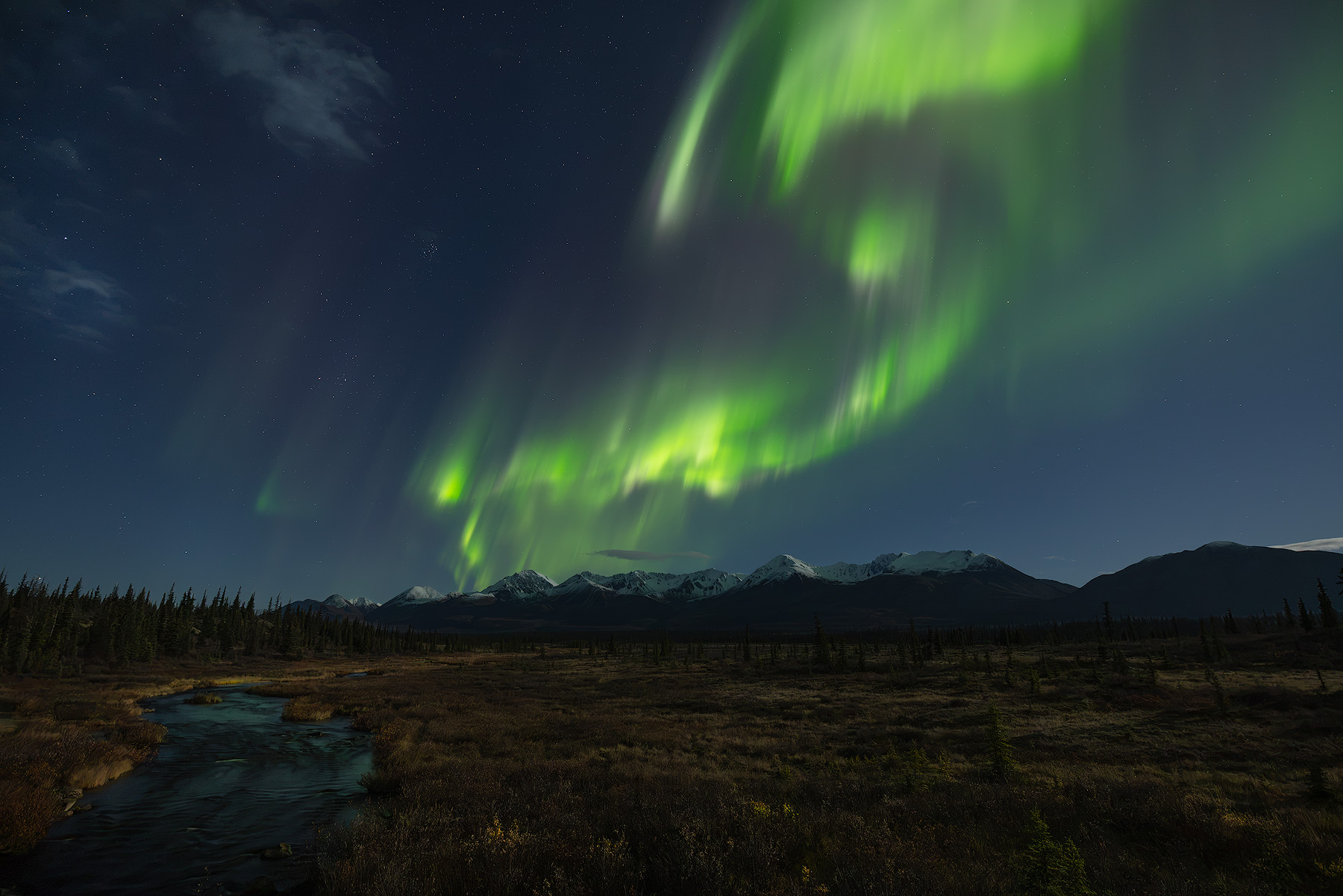
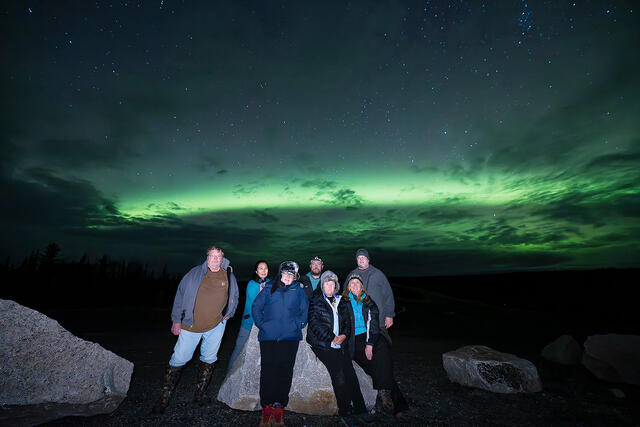
This Fairbanks aurora photography workshop trip report covers a September week photographing the northern lights in interior Alaska with five photographers, driving out from Fairbanks each night into the Alaska Range, and we found the aurora every night we went out. If you photograph landscapes or the night sky and you're thinking about a fall aurora workshop in Alaska, this report is written for you. It matters because knowing what the weather, the long drives and the short nights are really like before you book is what lets you pick the right trip and come home with the aurora images you came for. Here's what this report covers: a very wet September, chasing clear skies, aurora over open water with snow on the peaks and moonlight on the fall color, first-timers, moose on Chena Hot Springs Road and the image review at my house.
Alaska Aurora Photography Workshop Trip Report: The Week at a Glance
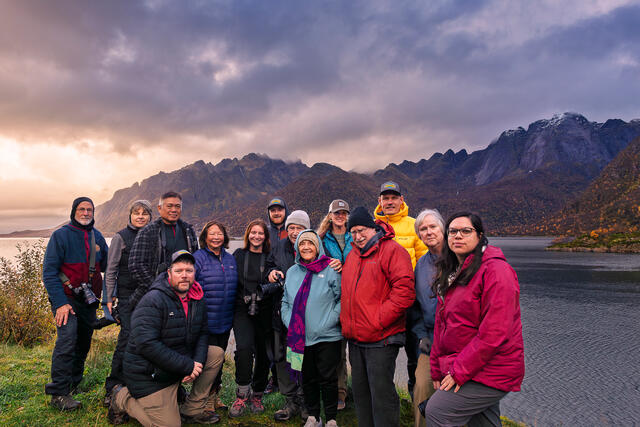
This was the fall version of my aurora workshop, based in Fairbanks, Alaska in September with five photographers in the group. Fairbanks sits at about 65 degrees north, under the auroral oval, which is why it's one of the best places in the world to photograph the aurora borealis, and in September the dark skies are back after the bright nights of summer.
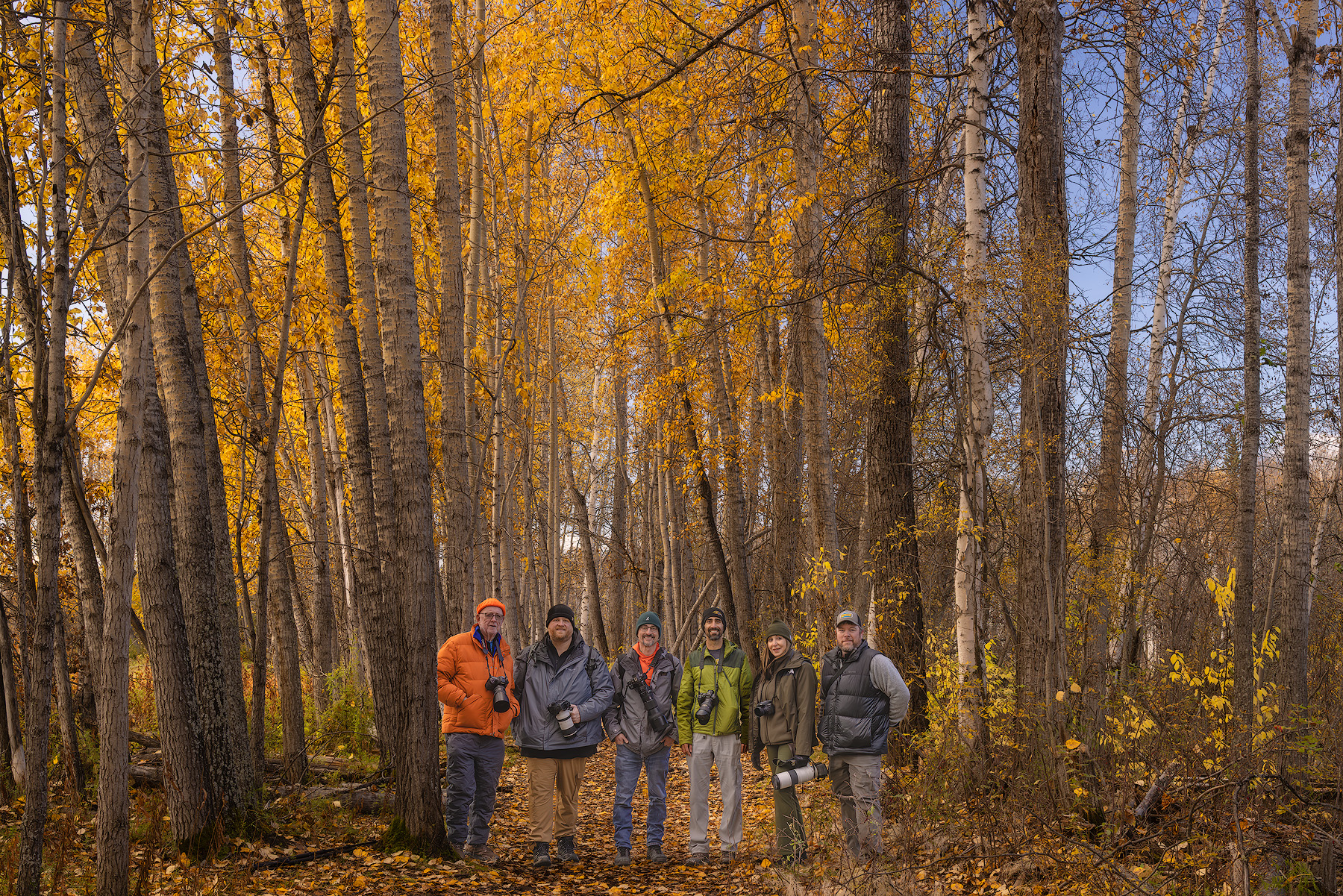
Most nights we drove a couple of hours out of town to locations I had in mind down around Denali National Park and in other parts of the Alaska Range, and we photographed the northern lights every night we went out. During the day we worked on fall color and wildlife, mostly out along Chena Hot Springs Road, and one afternoon we sat down at my house over a barbecue to go through everyone's images. Some of the group had never photographed the aurora before, and a few came in with some astrophotography and Milky Way experience, so the week had a mix of first-timers and people who knew their way around a night sky.
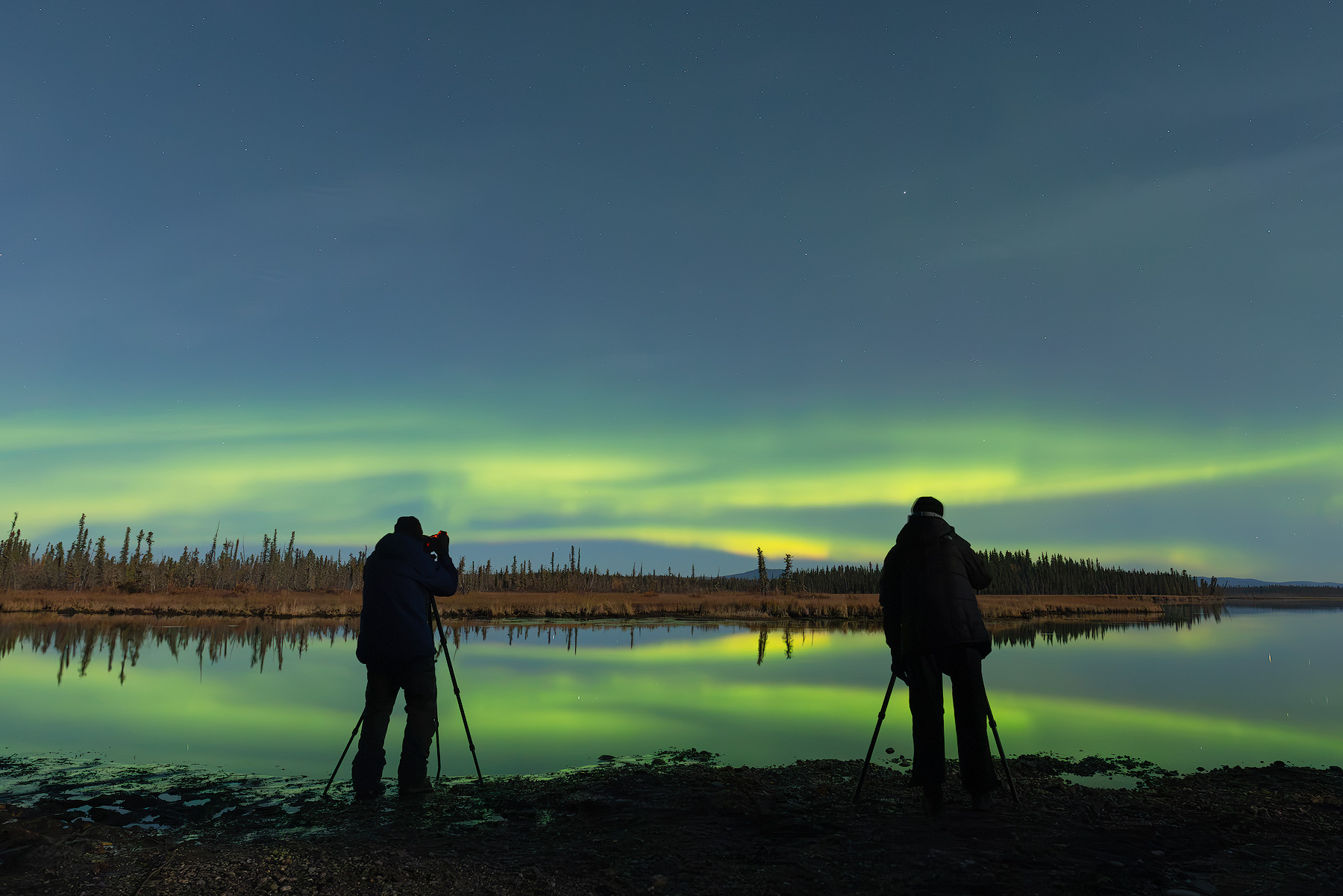
The Second Wettest September on Record
The only thing that went sideways all week was the weather leading into it. This was the second wettest September on record in Fairbanks, with about four inches of rain for the month, and that's a lot of cloud and rain for interior Alaska in the fall.
It didn't stop us. Rain in town doesn't mean rain everywhere, and the cloud cover here moves around a lot from one valley to the next, so most nights it was a matter of looking at the forecast and the satellite images and driving to where the northern sky was clear. That's why the itinerary on an aurora workshop stays flexible, because the weather conditions decide where we go each evening, not a fixed plan. The workshop goes out on cloudy nights too, and nobody can guarantee the aurora on any given night, so a cloudy forecast just means we go looking for clear sky.
We still found clear skies for the aurora and got in some good sunset shoots along the way. Growing up in Alaska, you learn that a wet forecast is a reason to drive, not a reason to stay home, and I'm almost never skunked when I set out to find a hole in the clouds.
Chasing Clear Skies From Fairbanks, Alaska Into the Alaska Range
Most nights meant a couple of hours of driving each way. The locations I had in mind for this group were a few hours south of Fairbanks, down the Parks Highway around Denali National Park and out the Richardson Highway to other parts of the Alaska Range. The Richardson Highway connects Fairbanks to the Alaska Highway, and the Parks Highway runs south toward Denali, so between the two we had a lot of the range to work with. One night we went north instead, up the Elliott Highway out of Fairbanks. I picked those locations because they put mountains and water in the frame with the aurora instead of just a tree line.
We'd leave town between 7 and 8 in the evening, depending on the location and the drive, eat dinner at a restaurant close to where we were shooting, and get back to Fairbanks around 5 in the morning. Aurora photography workshops last 5 to 8 hours at night out in the field, and the drive comes on top of that. I provided the transportation all week, picking everyone up where they were staying in Fairbanks, so nobody had to drive at night or figure out where to go on their own.
I don't name those spots in my trip reports. They're part of what you get when you come on the workshop, and a lot of years of driving around interior Alaska went into finding them. What I can tell you is that the drive is worth it. When you're set up on a good composition with the Alaska Range in front of you, you're not scrambling for a foreground when the display starts, and that's when people get the shot instead of missing it.
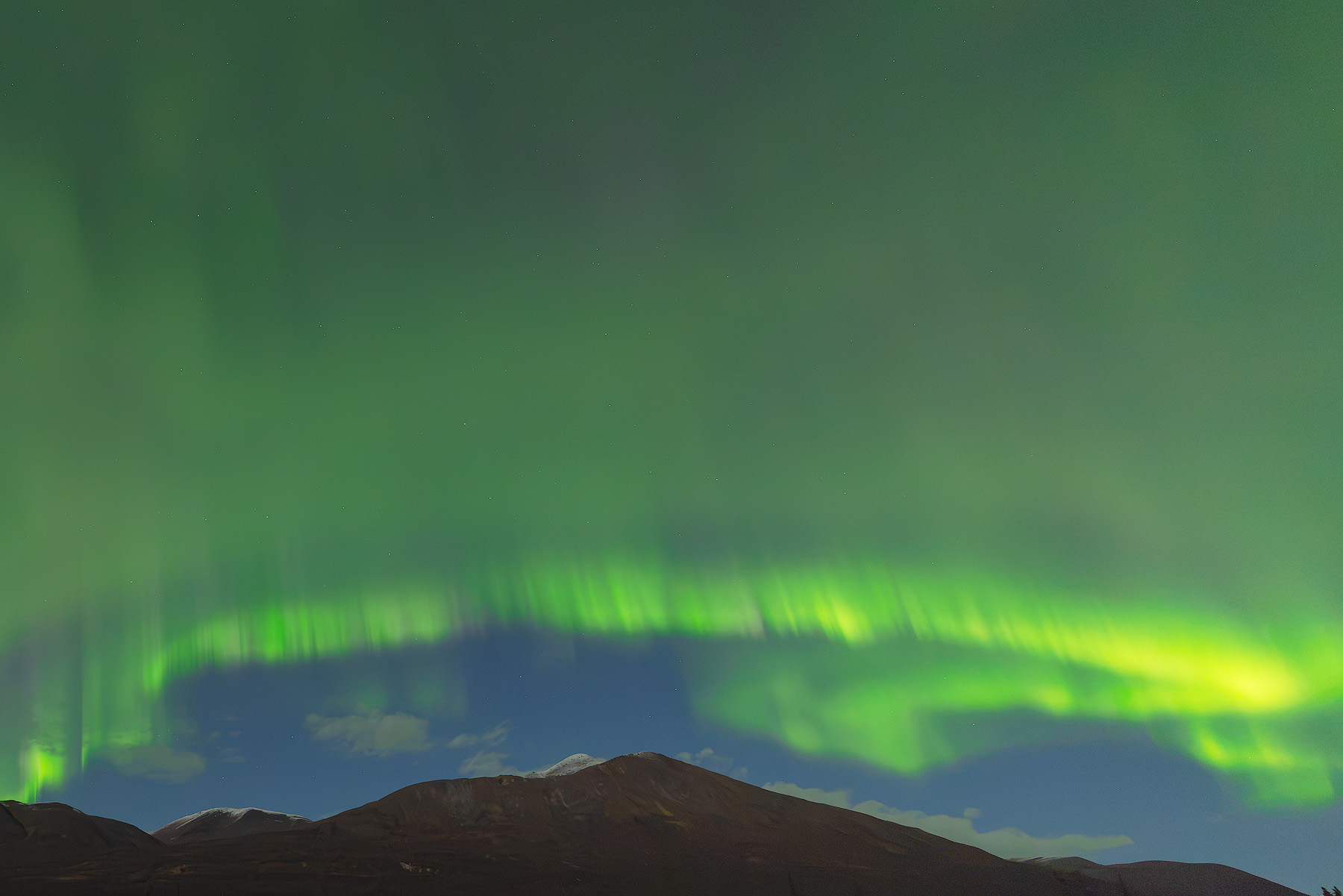
The aurora isn't usually out the minute it gets dark, so there's patience involved too, and it's a big part of why an aurora workshop runs over several nights instead of one. Participants in aurora workshops experience several nights of aurora hunting to increase their chances of sightings, and every night out stacks the odds in your favor, because each night is different and some nights are better than others.
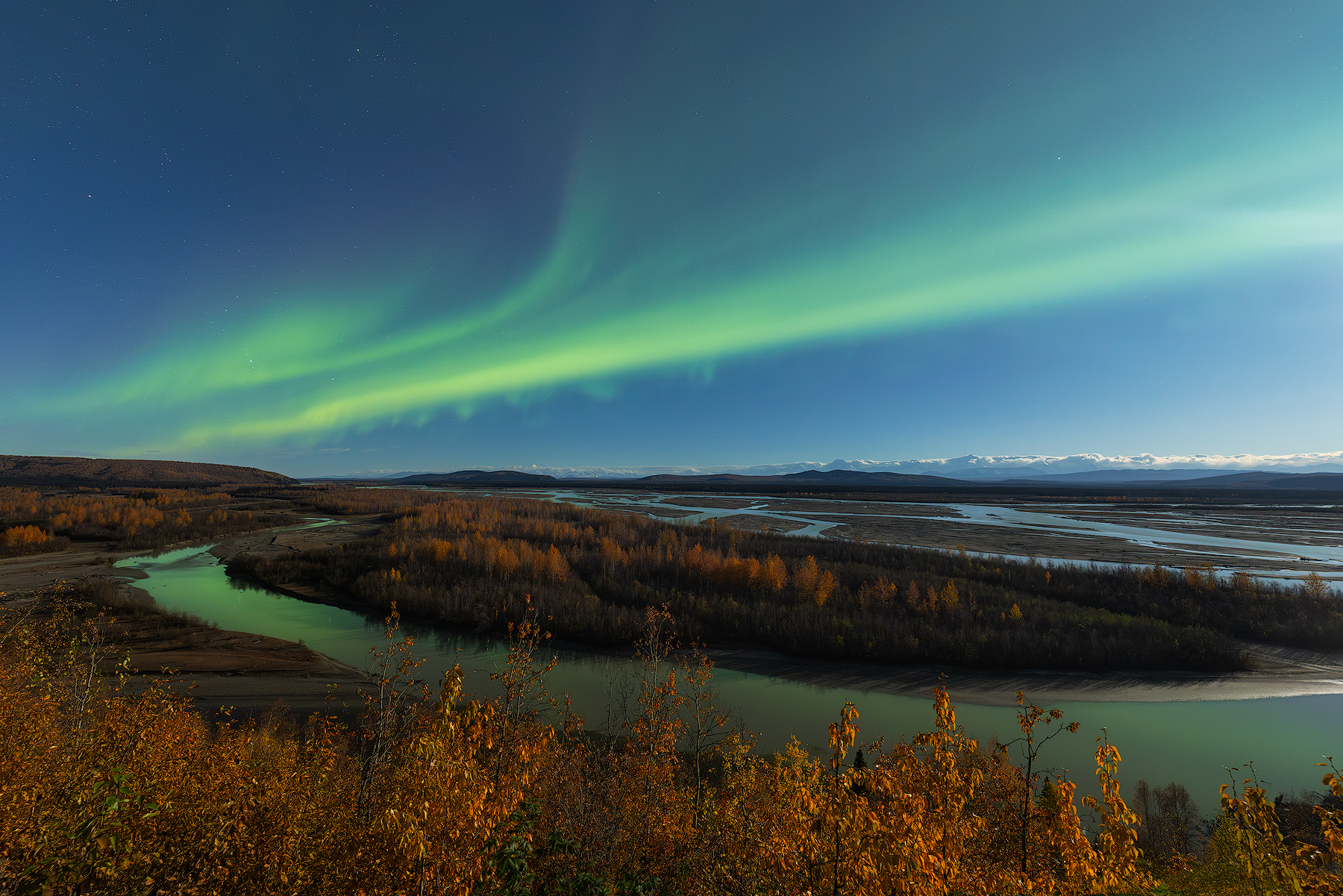
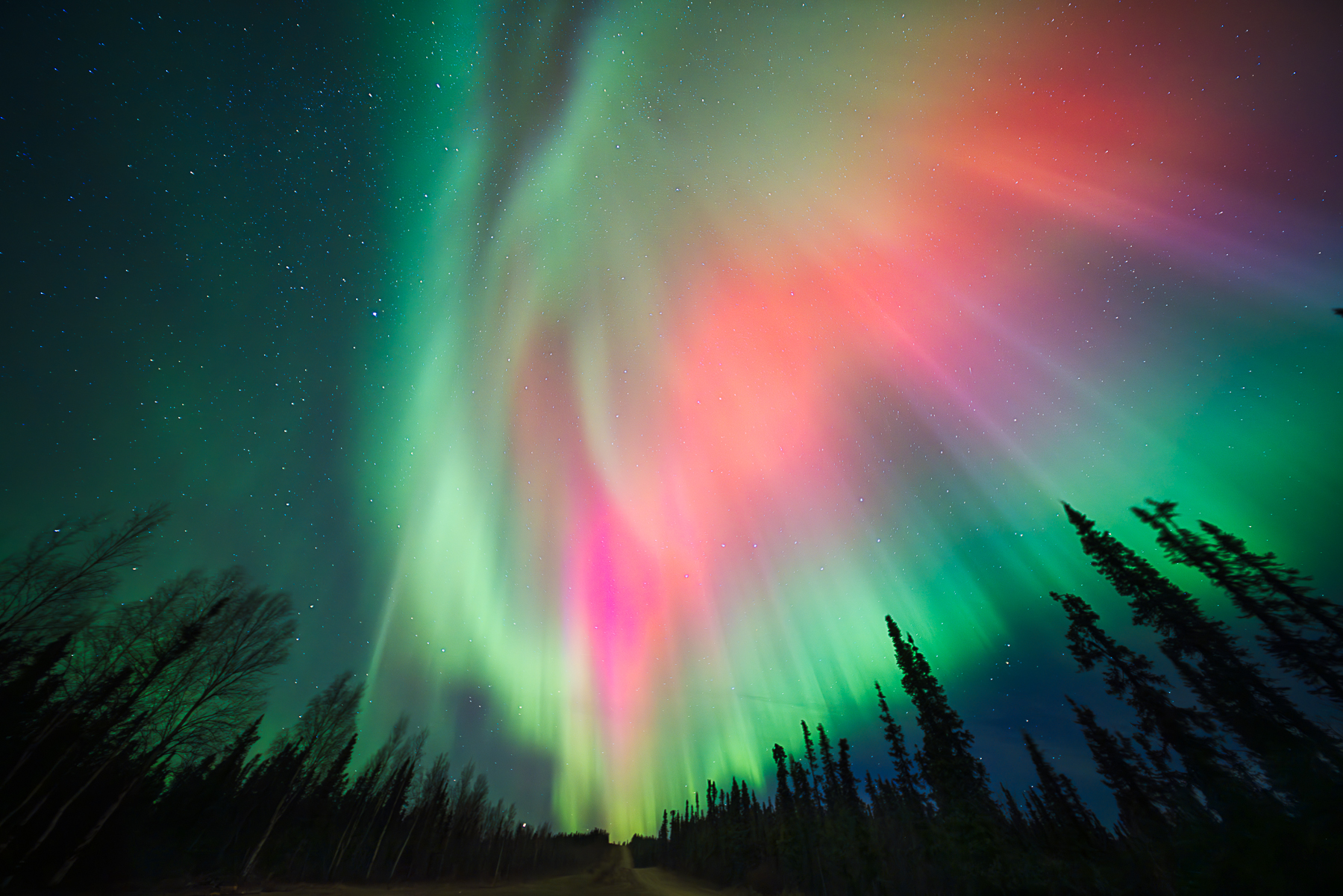
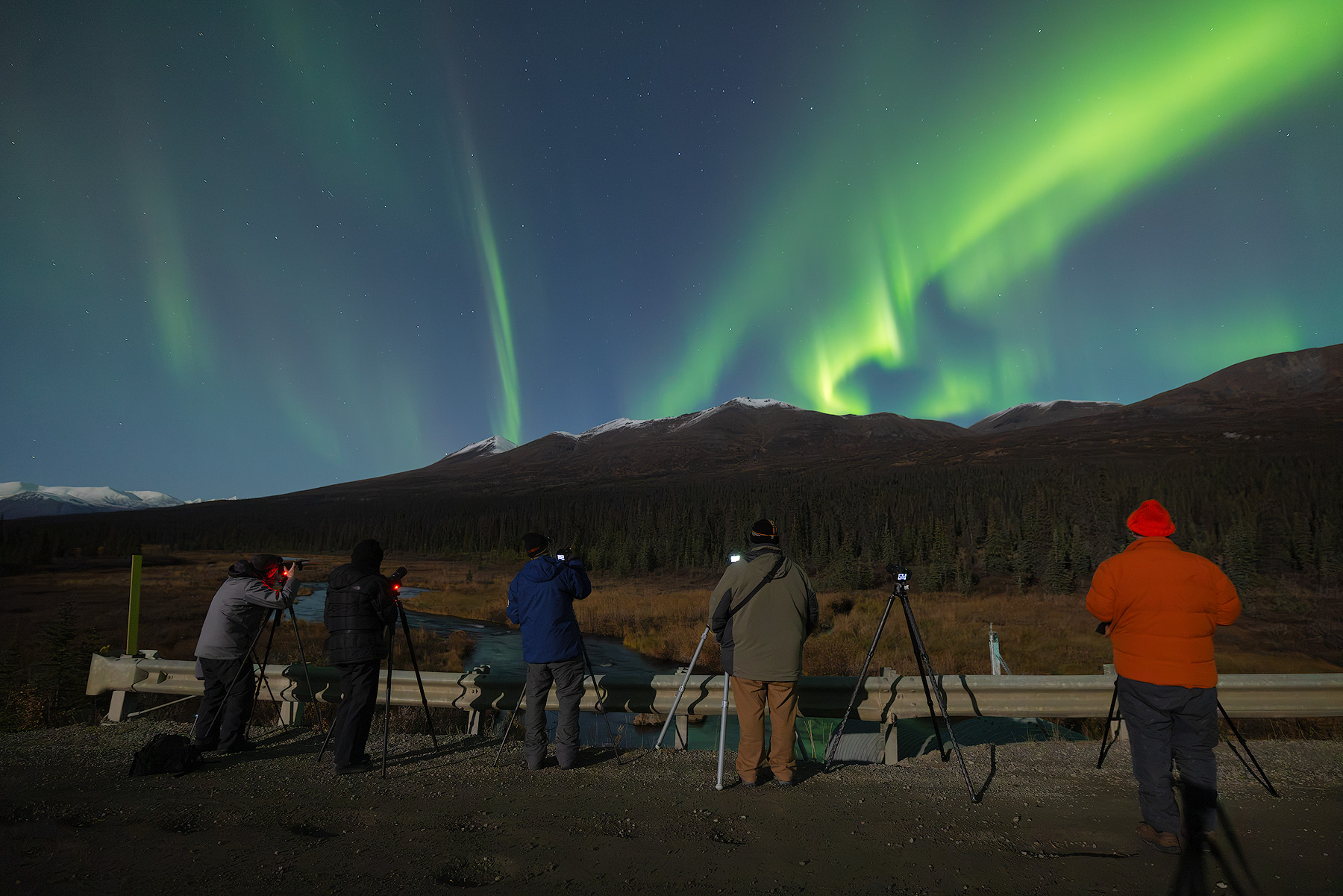
We'd get set up, get exposures and focus dialed in, and wait it out. Some nights the display built slowly as a green arc across the sky and some nights it came on fast as bright curtains that changed shape every few seconds, and a display can change completely in a couple of minutes, so being ready matters more than anything else.
Aurora Borealis Over Open Water, Fresh Snow and Moonlight
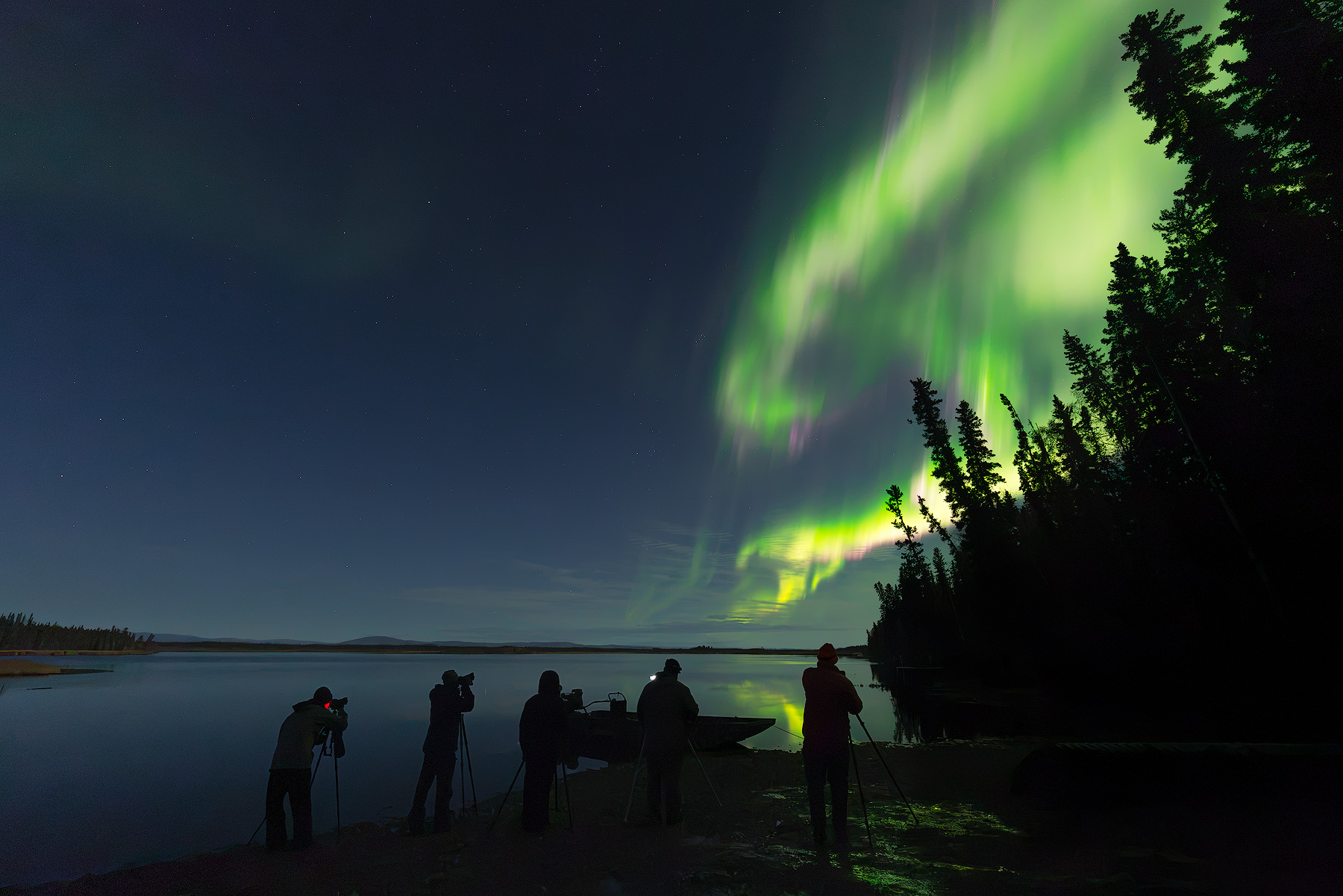
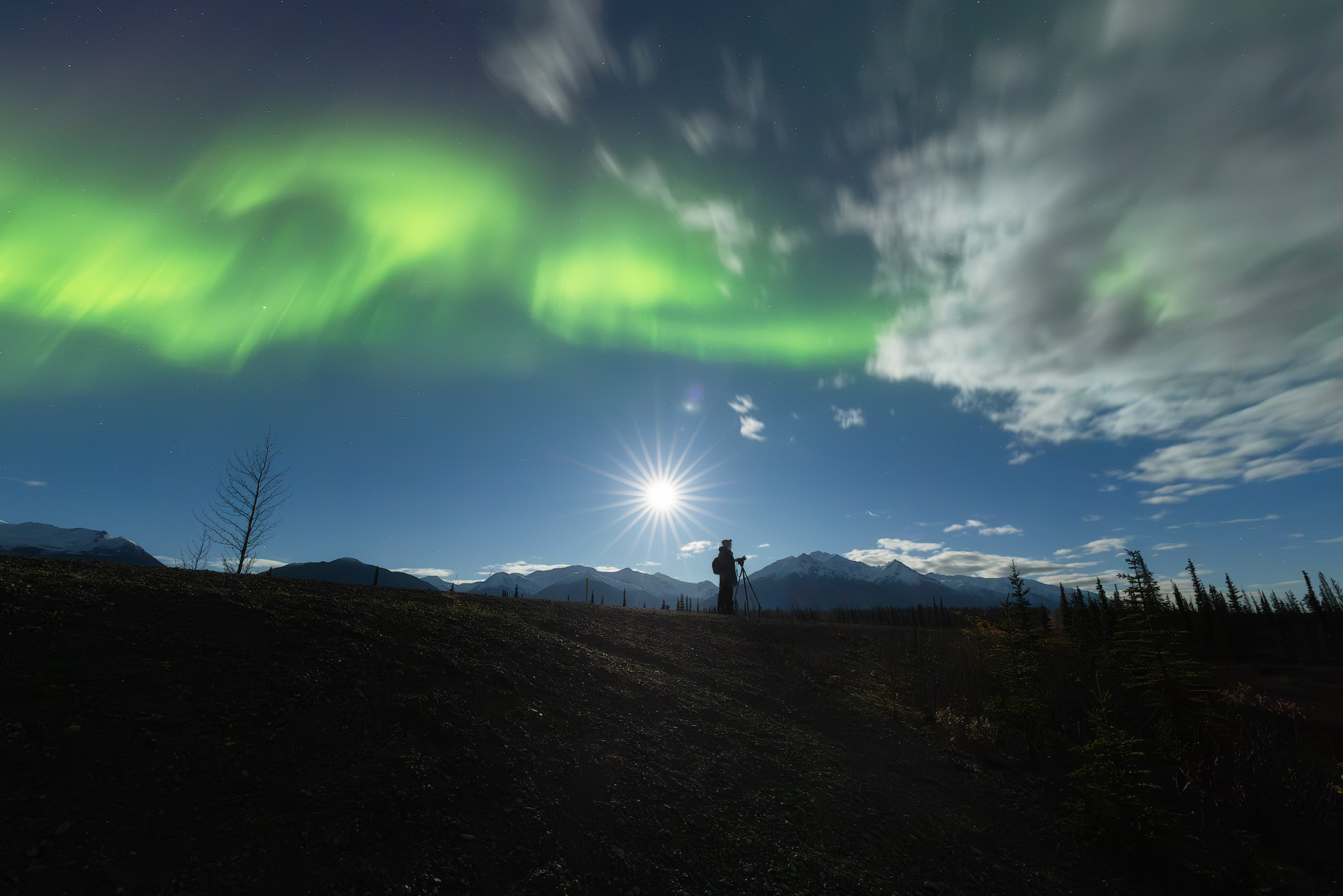
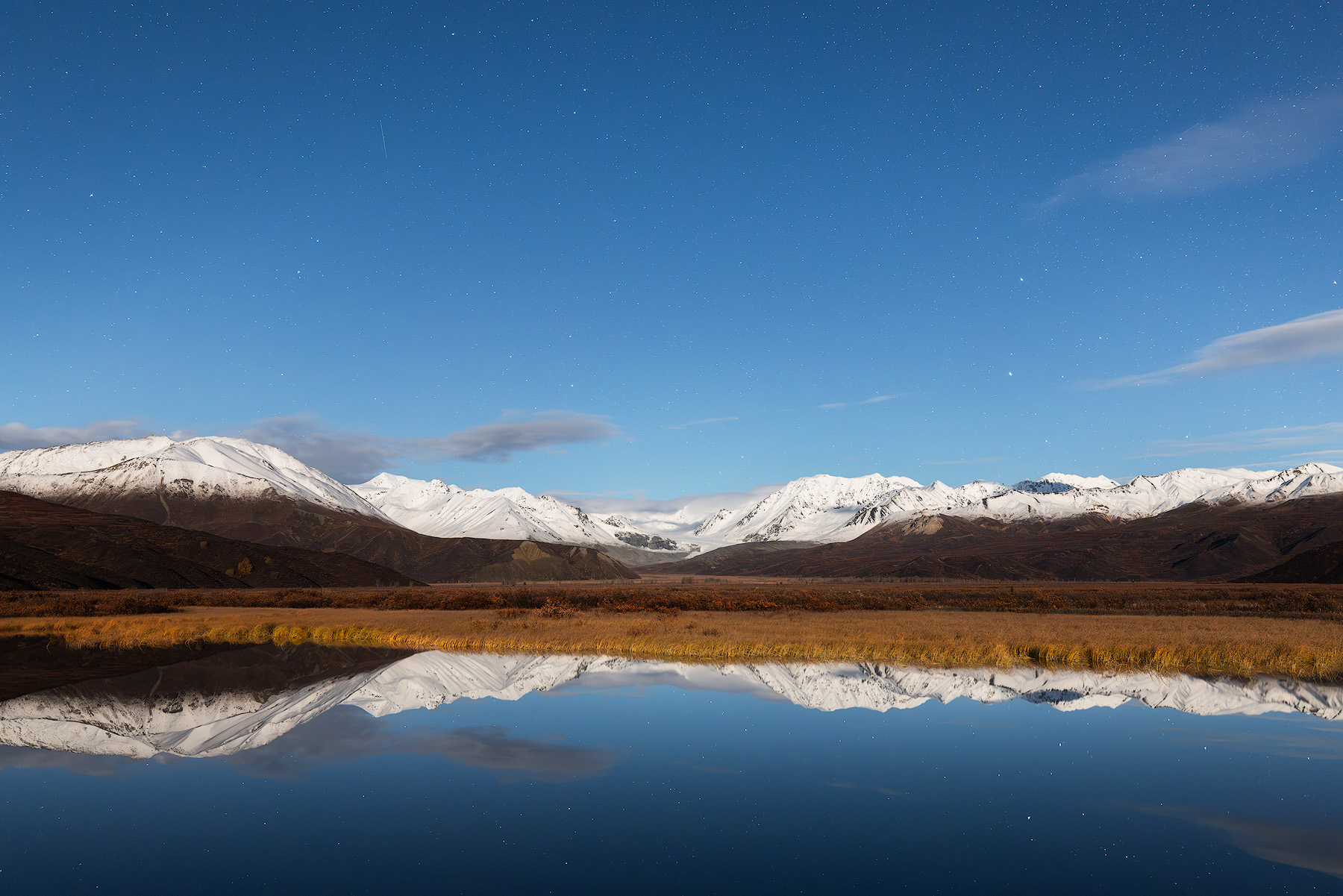
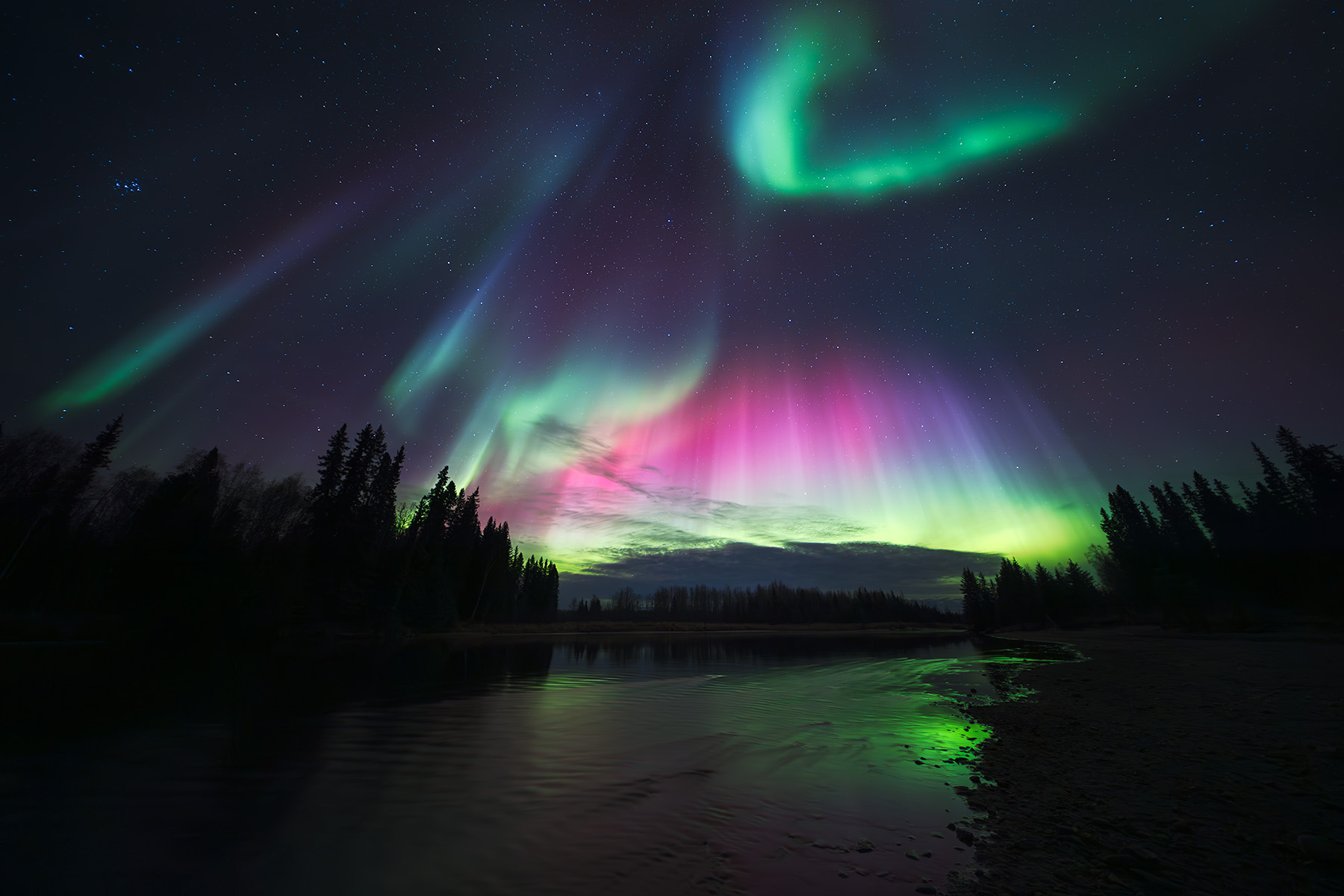
Fall is a different season for aurora photography than winter, and this week showed why I like it. In September the lakes and rivers are still open, so you get reflections of the aurora on the water, which you can't do once everything freezes. On top of that, the Alaska Range had fresh snow on the peaks, so we had white mountains under a green sky with the whole thing mirrored in the water below.
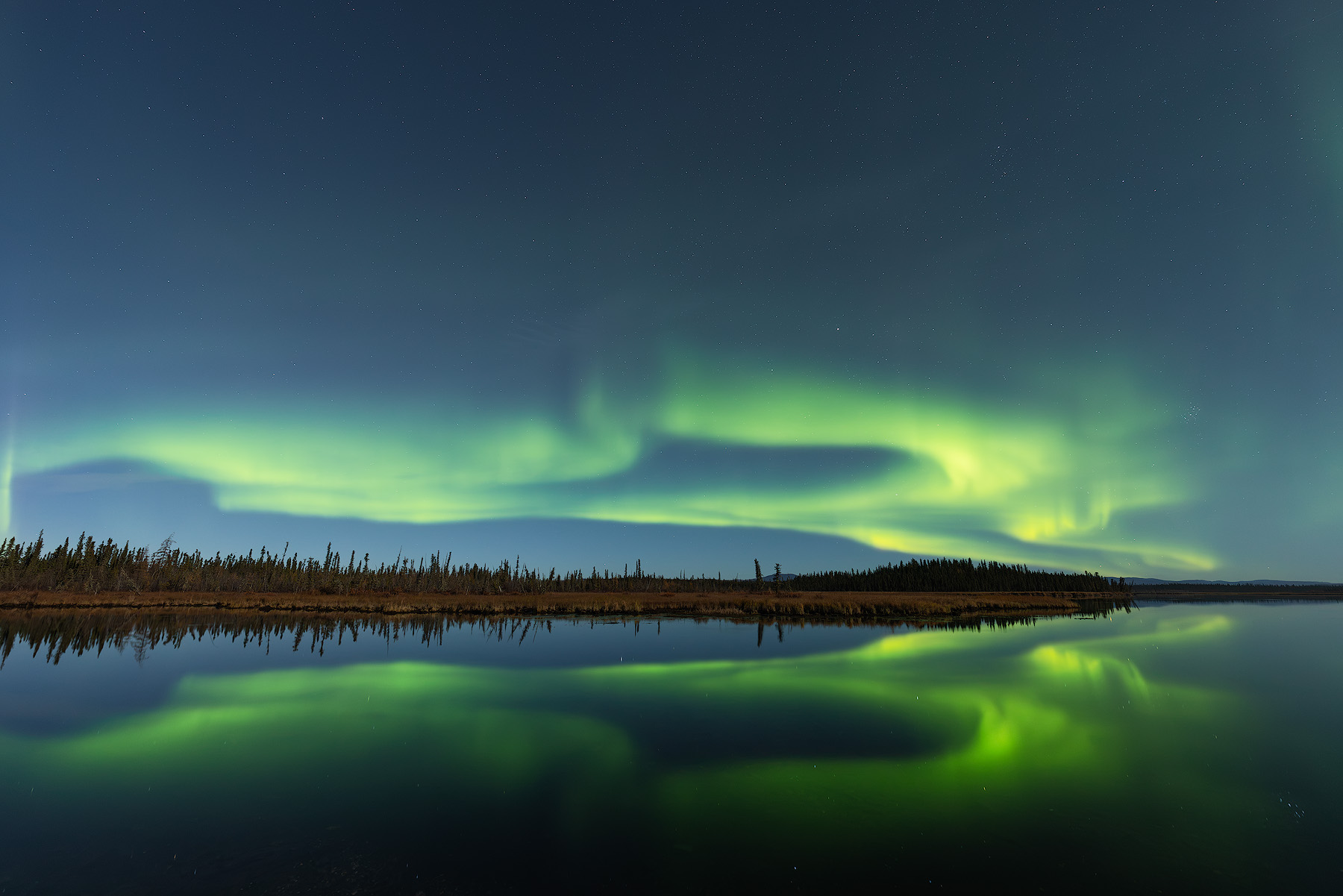
By the end of the week the moon was out, and that's something I actually look forward to. People assume you can't photograph the aurora with the moon up, and that isn't true at all. Moonlight lights the landscape, so you can shoot shorter exposures at a lower ISO and still keep detail in the foreground. With no snow on the ground yet, the moon lifted the shadows enough that the fall foliage color showed up in the aurora images, the reds and yellows in the tundra and brush with the aurora overhead. Without the moon, bare fall ground soaks up the light and goes dark, so moonlight is what made those frames.
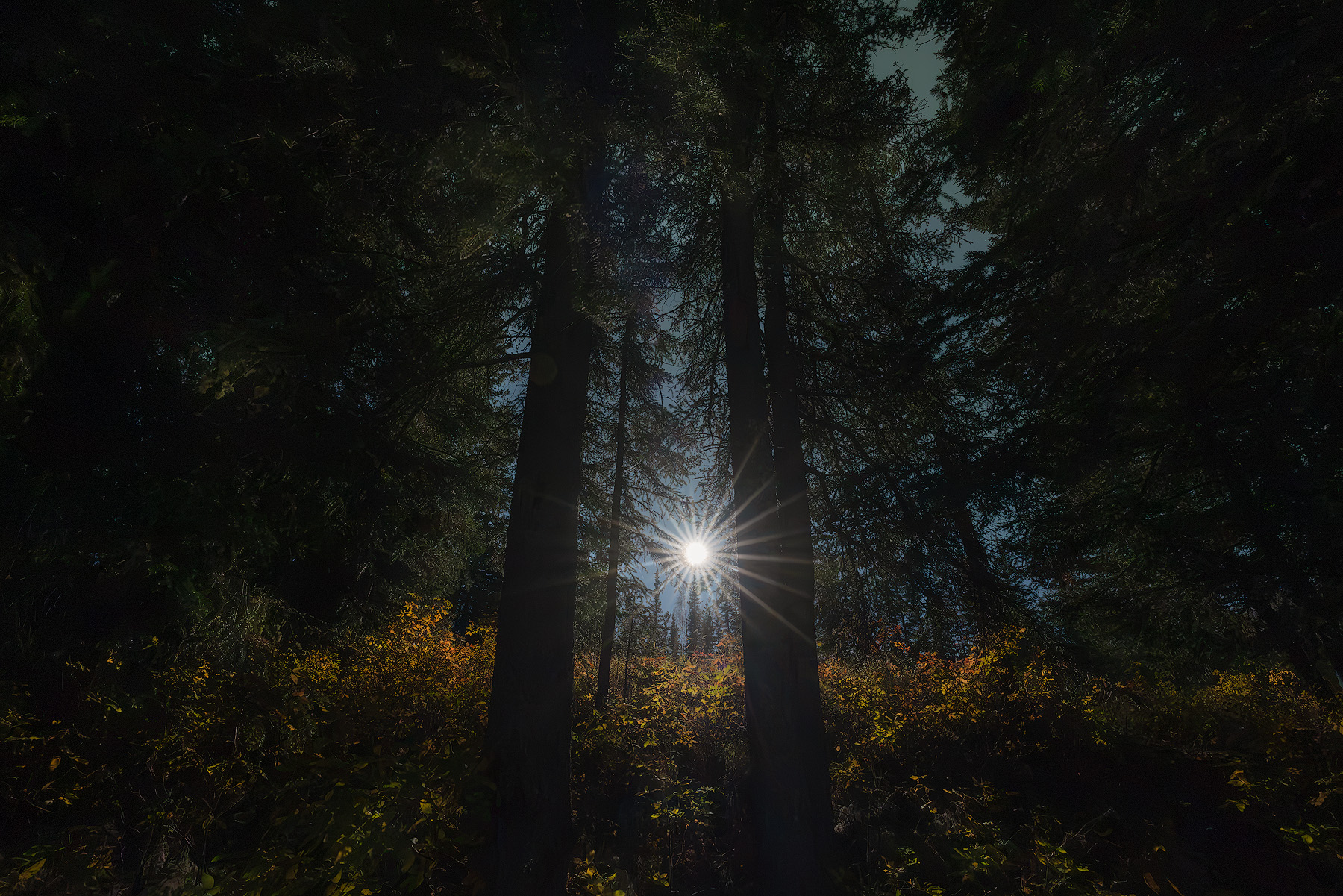
One location had a boat sitting in a lake, and the group worked on focus stacking there and on the brush and other close foregrounds, taking one frame focused on the foreground and another focused on the aurora overhead and blending them later so both stay sharp. Advanced workshops teach image stacking techniques like this, and it's one of the things that takes a foreground from soft to sharp in a night image. One night we also had strings of Starlink satellites passing overhead, a line of lights moving across the sky through the aurora, which was something different for everyone to watch and photograph.
Northern Lights Photography for the First Time
A couple of people in this group were photographing the aurora for the first time, and that's always one of my favorite parts of running these weeks. Watching someone get their first aurora frame on the back of the camera never gets old for me. Others came in having shot some astro and Milky Way, so they knew the basics of night photography, but the aurora moves, and that changes how you shoot it.
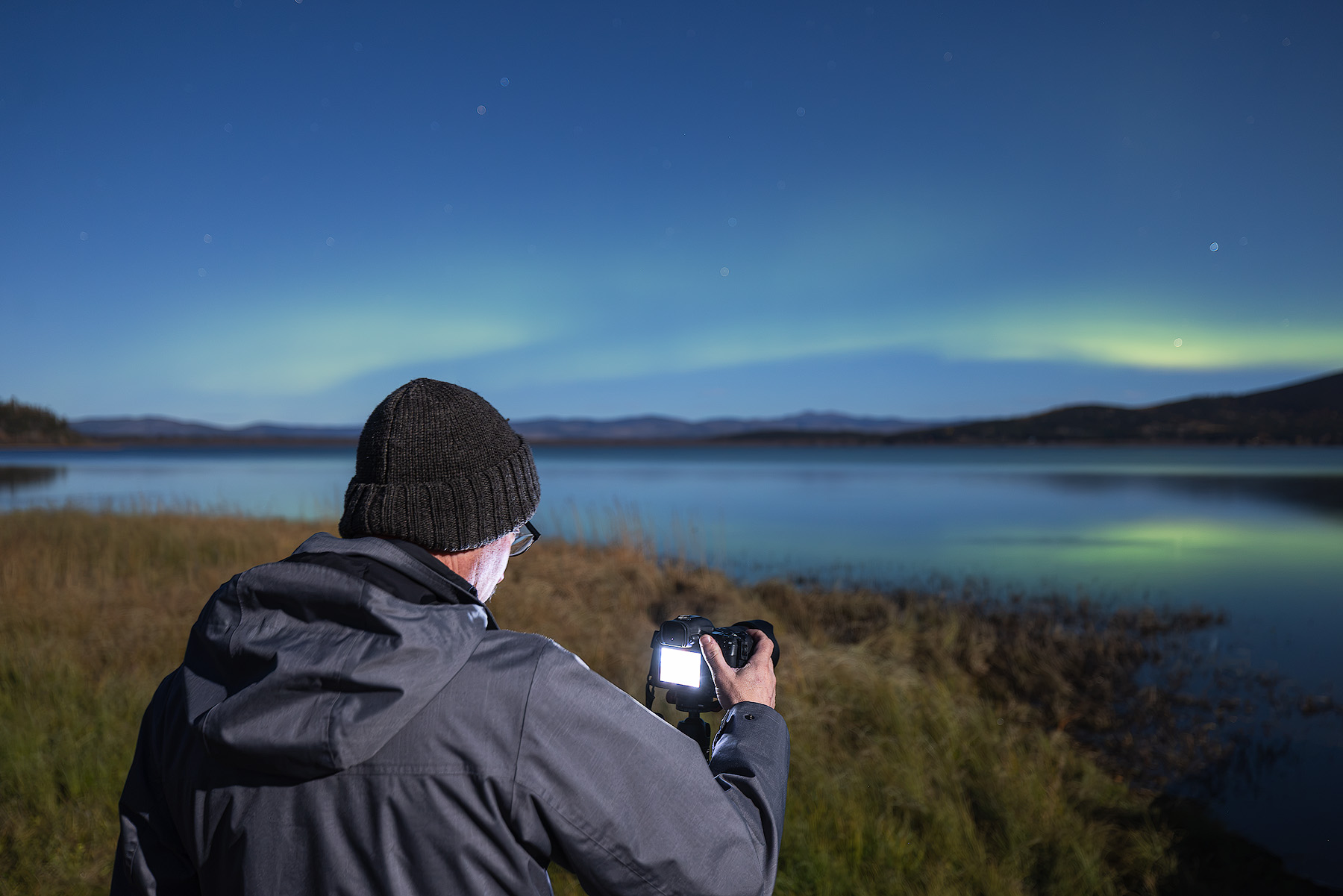
For the first-timers I start with the basics of northern lights photography in the field: manual mode, a sturdy tripod to keep the camera still through long exposures, a wide lens at f/2.8 or wider, ISO somewhere around 1600 to 3200, and setting your focus to infinity on a bright star before the display starts so you're not hunting for focus in the dark. Autofocus can't lock on anything in the dark, so everyone learns to focus manually. Then we work shutter speed with the display, a couple of seconds when it's moving fast and longer when it's faint, so you keep the detail in the curtains instead of turning it into a green smear. A lot of my job is getting people out of their comfort zone, whether that's trying a composition they wouldn't have picked or staying out an extra hour when the sky looks quiet.
Most of the instruction on an aurora workshop is technical, because low-light photography is where people get stuck. Small group sizes enhance the experience and allow for personalized instruction, which is why I keep my groups small. With a group size this small, everyone gets hands-on instruction at their own skill level, and the first-timers learn a lot from watching the other photographers work too.
People also get hung up on the Kp index, and I explain it every trip. Up here it doesn't tell you how good a night will be, so we pay attention to the clouds and the sky in front of us instead.
It wasn't that cold this trip, with nights in the 20s and 30s, but standing still for hours at those temperatures gets to people, and cold drains camera batteries faster too. I send everyone a packing guide before the trip, and I tell people to bring extra batteries and keep them in an inside pocket, along with warm layers and good cold-weather gear. I don't use hand warmers myself since I grew up here, but most people in the group did, and they're worth throwing in your bag. Your camera gear won't do you any good if you're too cold to stay out for the display.
If you're getting ready for your first aurora night, I put together a free aurora photography guide for photographers that covers the camera settings and planning I go over in the field.
Fall Color and Moose on Chena Hot Springs Road
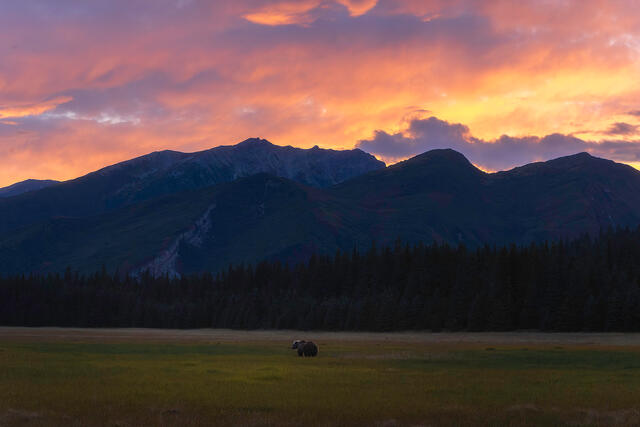
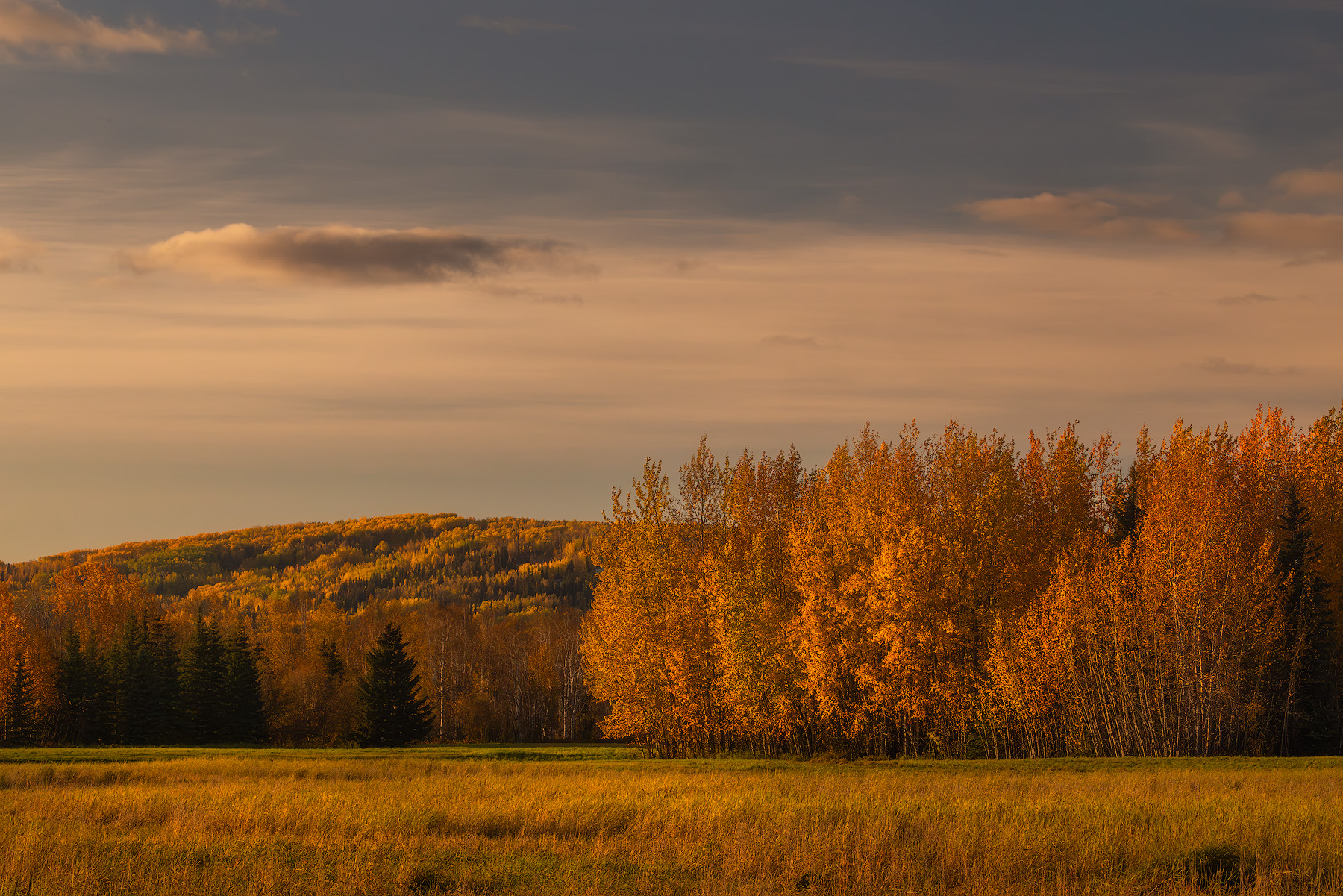
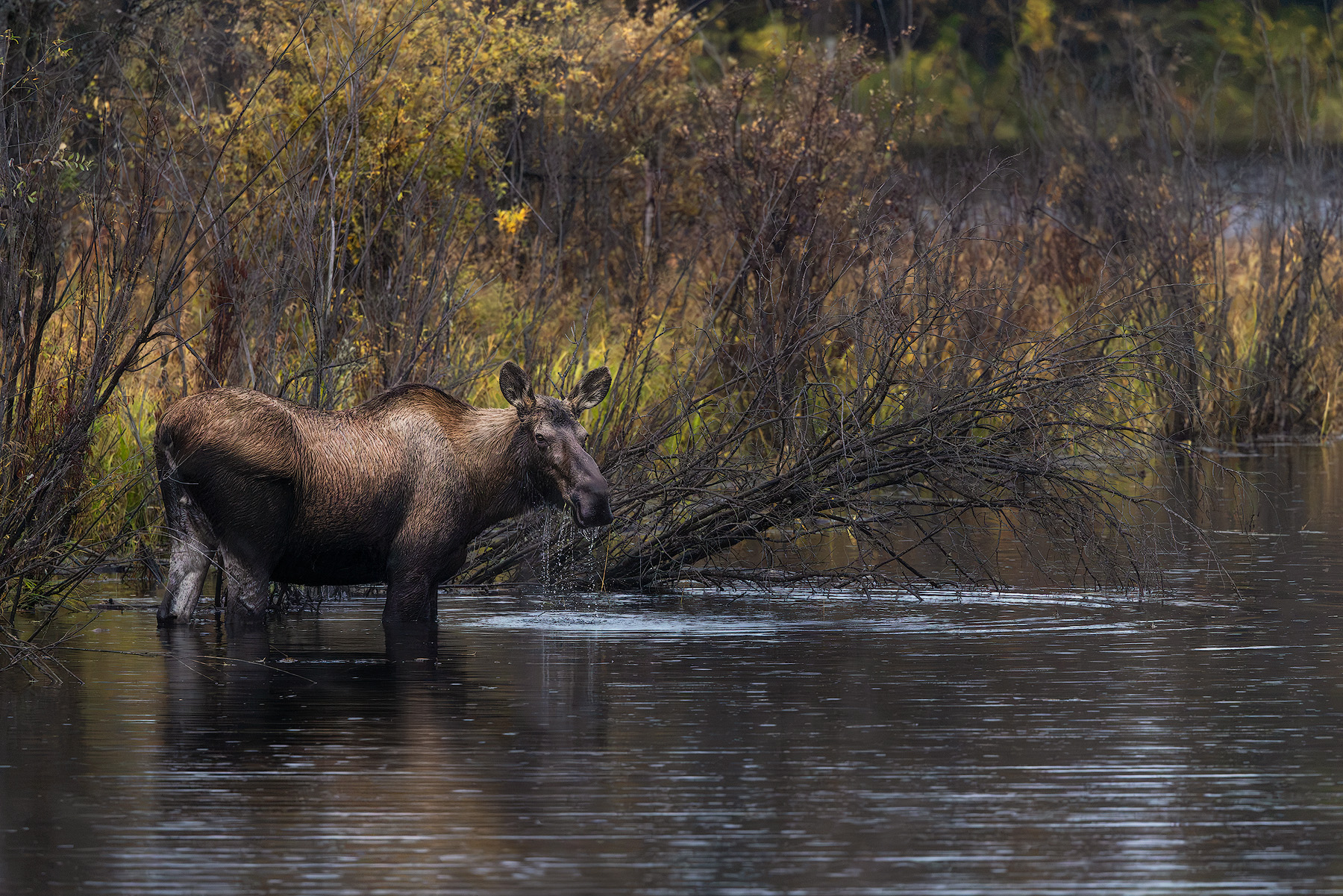
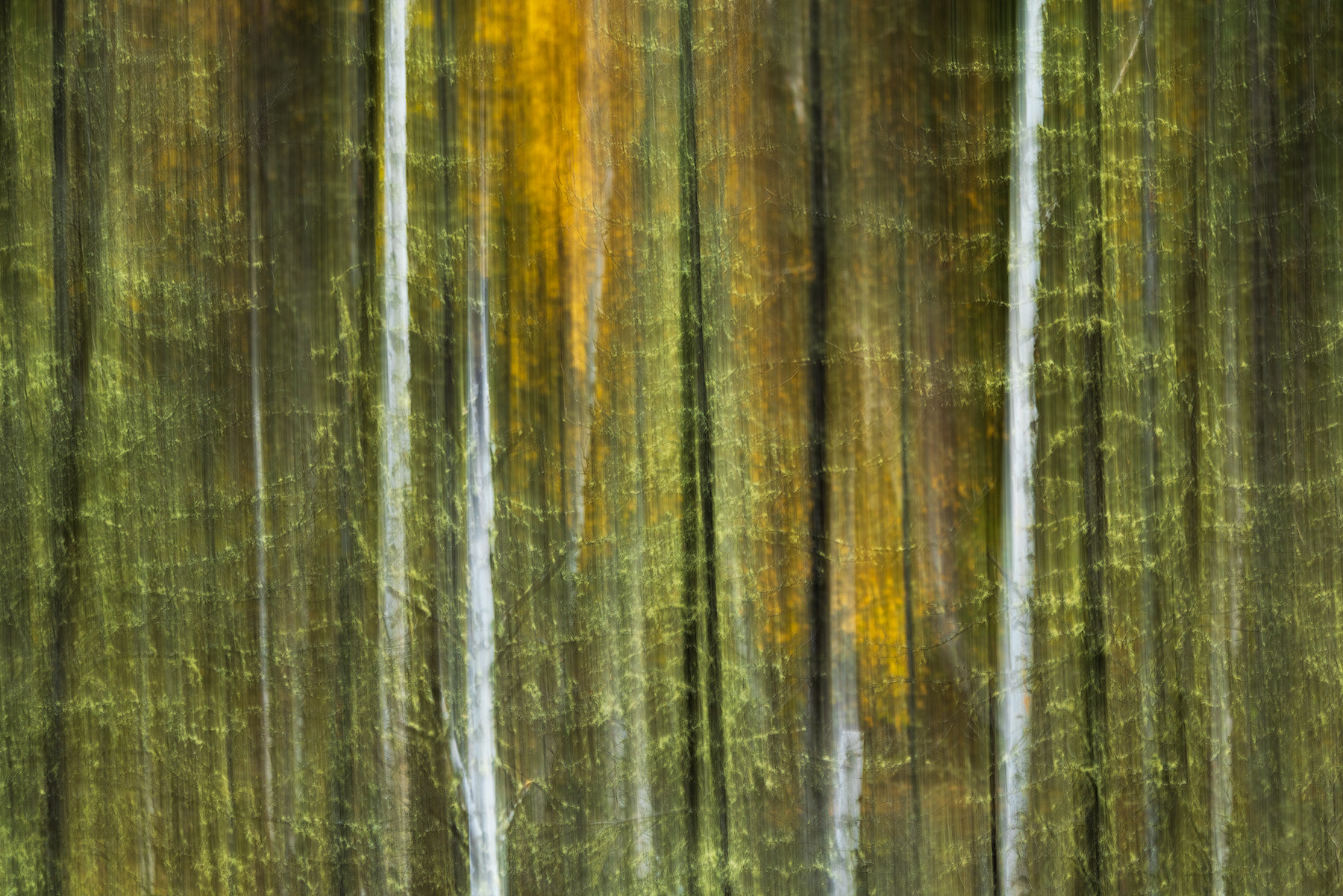
During the day we worked on fall color and wildlife, mostly out along Chena Hot Springs Road east of Fairbanks. We also worked on ICM, intentional camera movement, moving the camera during the exposure to turn the fall color into streaks and washes of color. A lot of aurora trips fill the days with dog sledding or hot springs visits, and I don't build those in. People come on this workshop to photograph the aurora, so the daylight hours go to photography too. The fall color was out, and there's a lot to photograph along that road between the river, the hills and the color. We had moose too, which is always a good day in the field, and a few sunset shoots on the way back fit in before we headed out for the aurora.
Something Has to Give, and It's Usually Sleep
My workshops are action packed and there's a lot to photograph, so something has to give, and on a fall aurora week that's usually sleep. You're out photographing the aurora until the early morning hours, then you're up for fall color and wildlife during the day, and a couple of hours of driving each way to the night locations adds up.
Nobody in this group was complaining about it. When the aurora's over the Alaska Range with the moon on the fall color, you're not thinking about bed. I tell people before they come that this isn't a relaxing week, and a nap in the afternoon goes a long way.
Image Review With the Other Photographers Over a Barbecue
One day we got together at my house for the image review session and a barbecue. Everyone brought their best frames from the week and we went through them together, what worked in the field and what didn't, and I walked through how I process aurora images in Lightroom and Photoshop, including luminosity masks, without pushing the color past what was there.
The editing goes deeper than most people expect, and it throws some people off at first, so it takes more than one sitting to sink in. That's why the workshop now keeps everyone at one house, so we can work on post-processing throughout the week instead of fitting it into one afternoon. It's one of the parts of the week people remember, because it's where you see how much your own images changed from the first night to the last.
What the Group Said
A few people from this group left reviews after the trip, and I'll let them speak for themselves.
"I had a great time. An experience I'll never forget. Mike's local knowledge of picturesque locations, local weather patterns, and knowledge of the aurora forecast made it possible for me to capture amazing photos of the aurora. He taught me new photography techniques, taught me how to shoot well at night. … I went home with knowledge I can use in the future." Alan C.
"We had poor weather, both space and atmospheric. But Michael drove us thousands of miles in the middle of the night to take us to places where we could see the sky and had a good chance of seeing the aurora. I learned more techniques and tricks from our time together than I have in a number of true 'classes.'" Craig V.
"I have attended many workshops in my journey to becoming a photographer. This trip to Alaska was probably one of the finest I have attended. It was organized, small enough group to benefit the talent and knowledge that Michael possesses. … Having been raised in the area he finds the best places for photographs. I am planning on attending more workshops that he promotes." Paul D.
"Face the Outdoors is the real deal! … He got us under clear skies every night, even if that meant a 3 hour drive (each direction)! His tips and help in framing and settings were a great learning opportunity, and the classroom portion was very helpful in learning how to process aurora pics." Wes K.
Fairbanks Aurora Photography in September
This workshop runs in September out of Fairbanks, built around the fall equinox, with a small group and nights out chasing the aurora wherever the sky is clear. If you want to photograph the northern lights over open water with fall color in the frame, the fall aurora workshop page has the dates, what's included and how to reserve a seat.
Frequently Asked Questions
Can you photograph the northern lights in September in Alaska?
Yes. September is one of my favorite months for it. The nights are dark enough again, the lakes and rivers are still open for reflections, and the fall color is out during the day. On this trip we photographed the aurora every night we went out, though no one can promise what the sky will do on a given week.
How far do you drive for aurora photography from Fairbanks?
It depends on the clouds and on where I want the group to be. On this trip most nights were a couple of hours of driving each way, down around Denali National Park and the Alaska Range, because those locations put mountains and water in the frame. I provide the transportation, and we were usually back in Fairbanks around 5 in the morning.
What's the group size on the fall aurora workshop?
It's a small group. This trip had five photographers, which leaves time to work with everyone in the field. The fall aurora workshop page has the current group size and dates.
How cold is it photographing the aurora in Fairbanks in September?
On this trip the nights were in the 20s and 30s, which isn't cold by Alaska standards, but you're standing still for hours, so bring warm layers, extra batteries and hand warmers if you get cold easily.
Can you photograph the aurora with the moon out?
Yes, and I like it. Moonlight lights the landscape, so you can use a shorter exposure and a lower ISO and still keep detail in the foreground. In the fall, before there's snow on the ground, the moon is what brings out the fall color under the aurora.
What camera settings do you use for the aurora?
Start in manual mode on a sturdy tripod with a wide lens at f/2.8 or wider and ISO around 1600 to 3200, focused on a bright star. Then adjust the shutter speed to the display, a couple of seconds when it's moving fast and longer when it's faint.
Is this an aurora viewing tour or a photography workshop?
It's a photography workshop. You'll see plenty of the northern lights, but the nights are built around getting you set up on good compositions and helping you with your camera while the display is happening, not just watching from the side of the road.
Is the workshop good if you've never photographed the aurora?
Yes. A couple of people on this trip were photographing the aurora for the first time. I work with each person in the field on settings, focus and composition, whether it's your first aurora night or you've shot the night sky for years.
What else do you photograph on a fall aurora workshop?
Fall color and wildlife during the day. On this trip we spent time along Chena Hot Springs Road, where the fall color was out and we photographed moose, and we got in some sunset shoots.
How much sleep do you get on an aurora photography workshop?
Not a lot. We're out until the early morning hours photographing the aurora and out again during the day for fall color, so plan on short nights and an afternoon nap.
Does the workshop include image review and post-processing?
Yes. On this trip we did the image review at my house over a barbecue, going through everyone's images and how I process aurora photos in Lightroom and Photoshop, including luminosity masks. The workshop now keeps everyone at one house so there's more time for post-processing through the week.