The Italian Dolomites
Face The Outdoors — Featured in National Geographic
Dolomites Autumn Photography Workshop
Gold larches, fog inversions, and the last good light of the year.
The Dolomites Photography Workshop runs October 23–29, 2027 — seven days timed for the narrow window when European larches turn gold, valley fog settles in at dawn, and the summer crowds clear out. We meet at the Munich Airport Hilton at 12 PM on Day 1 and drive south through Germany, Austria, and Italy to Ortisei in Val Gardena, our base for the first three nights, then shift east to Cortina d'Ampezzo for the back half. Locations include Alpe di Siusi, Val di Funes, Seceda, Tre Cime di Lavaredo, Lago di Braies, and Cinque Torri, plus smaller alpine tarns worked in along the way. My local partners at Lofoten Tours have been running photographers through this region for years and know exactly where to be when conditions deliver — my role is the teaching. Tuition is $5,700, with the group capped at minimum 6, maximum 10 photographers.
The Workshop
$5,700 per person
FTOP alumni rate available
A $2,000 deposit reserves your spot.
Dates October 23–29, 2027 · 7 days / 6 nights
Group Minimum 6, maximum 10 photographers
Included Lodging, ground transport, lift tickets, and guiding · flights and most meals separate
At a Glance
The workshop at a glance
The Dolomites Photography Workshop is a seven-day landscape photography workshop and Dolomites photo tour in the Italian Dolomites — the Dolomiti — built for amateur, intermediate, and advanced photographers comfortable with manual camera settings who want to photograph the range during its narrow autumn window. It matters because that window is short: for roughly two weeks in mid-October the European larches turn gold and reliable dawn fog inversions fill the valleys, and shooting it well takes both local guides who know exactly where the light lands and an instructor focused on how you're making each image.
Travel arrangements include group pickup from Munich Airport at the Munich Airport Hilton, and participants are advised to arrive a day early to settle in before the 12 PM Day 1 departure.
Accommodations during the workshop are comfortable hotels rated 3-star or higher in Ortisei and Cortina d'Ampezzo, with double occupancy as standard and single rooms available at additional cost.
Comprehensive travel and health insurance is required to cover unexpected medical events overseas, as personal medical costs may not be covered by domestic insurance while traveling internationally.
Dates
October 23–29, 2027
7 days, 6 nights
Tuition
$5,700
per person · alumni rate available
Group Size
6 to 10
photographers
Location
Italian Dolomites
Ortisei & Cortina bases
Included
Lodging & guiding
transport, lift tickets
Deposit
$2,000
reserves your spot
Six to ten photographers · October 23–29, 2027 · A $2,000 deposit reserves your spot.
The Rhythm
The Rhythm of the Workshop
Each day is built around the light. That means pre-dawn starts on most mornings — often leaving the hotel by 4:30 or 5:00 AM to be in position for blue hour. We shoot through sunrise until the light goes flat around mid-morning. Breakfast comes after, not before. The middle of the day is for rest, food, or editing sessions when conditions aren't worth being out in.
Afternoons build toward sunset — sometimes returning to the same locations we hit at dawn, sometimes new ones — and we work golden hour through blue hour into astrophotography when moon phase and skies cooperate. Evenings end with group dinners where we review the day's images and plan tomorrow. Weather sets the agenda: if a fog inversion is forecast at Passo Giau, we reposition. If the Milky Way is up, we stay out late. My role throughout is to be standing next to you as the light unfolds.
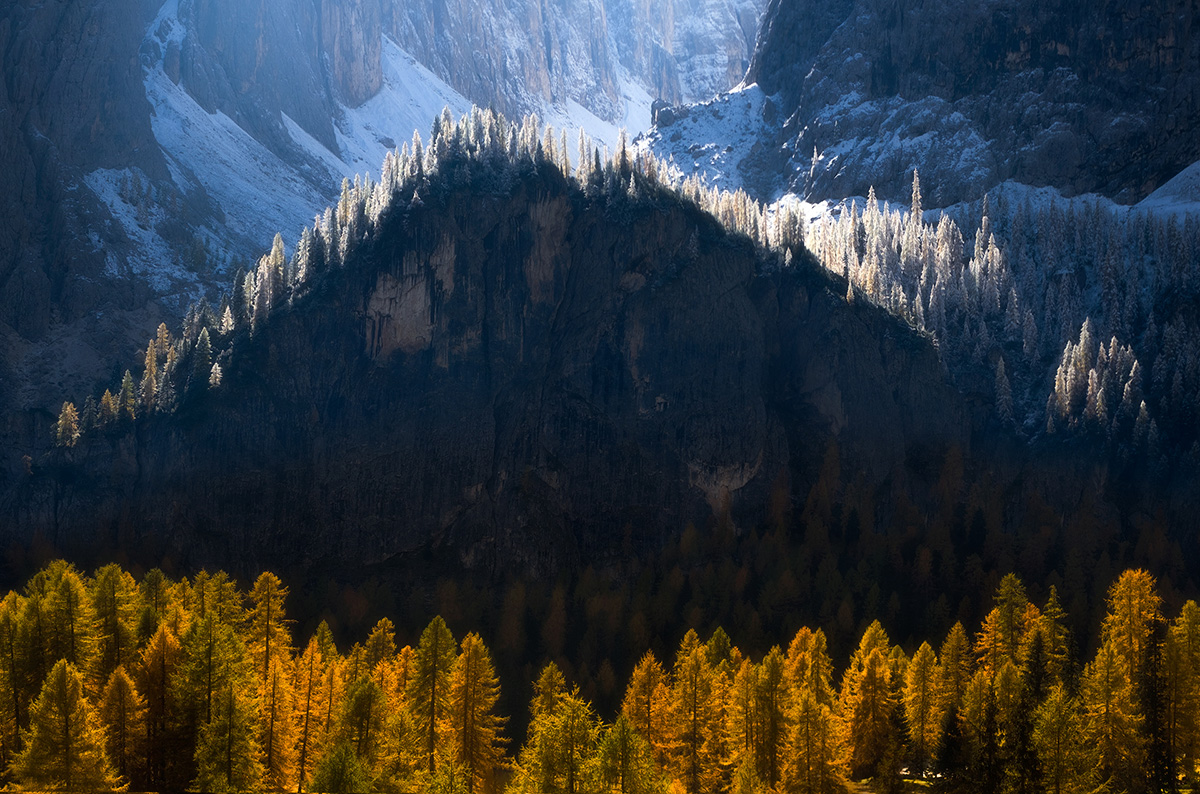
The Dolomites in autumn
The Italian Alps' Dolomite range is known for dramatic landscape photography opportunities, including traditional alpine vistas and night sky astrophotography under some of Europe's darkest mountain skies. This 7-day photography workshop is one of the most comprehensive Dolomites photography tours scheduled in autumn, when fall colors transform the European larches into golden curtains and morning mist fills the valleys at first light. The workshop caters to amateur, intermediate, and advanced photographers with a working understanding of manual camera settings, and participants can expect hands-on field instruction throughout to advance their technical and creative abilities. Sunrise shoots and sunset shoots anchor every shooting day, alongside post-processing tutorials in Adobe Lightroom and Adobe Photoshop between field sessions to develop your photography skills. Iconic photography locations on the itinerary include Tre Cime di Lavaredo, Lago di Braies, Alpe di Siusi, Val di Funes, Seceda, and Cinque Torri.
The Season
Why October (and Not Any Other Month)
Summer is ideal for photographing alpine meadows and wildflowers, and it draws the biggest crowds — but it doesn't deliver the gold larches, the dawn fog inversions, or the low directional light that define Dolomite autumn. Autumn offers opportunities for moody landscapes and vibrant foliage that no other season here matches, and October is the two-week heart of it.
The Light
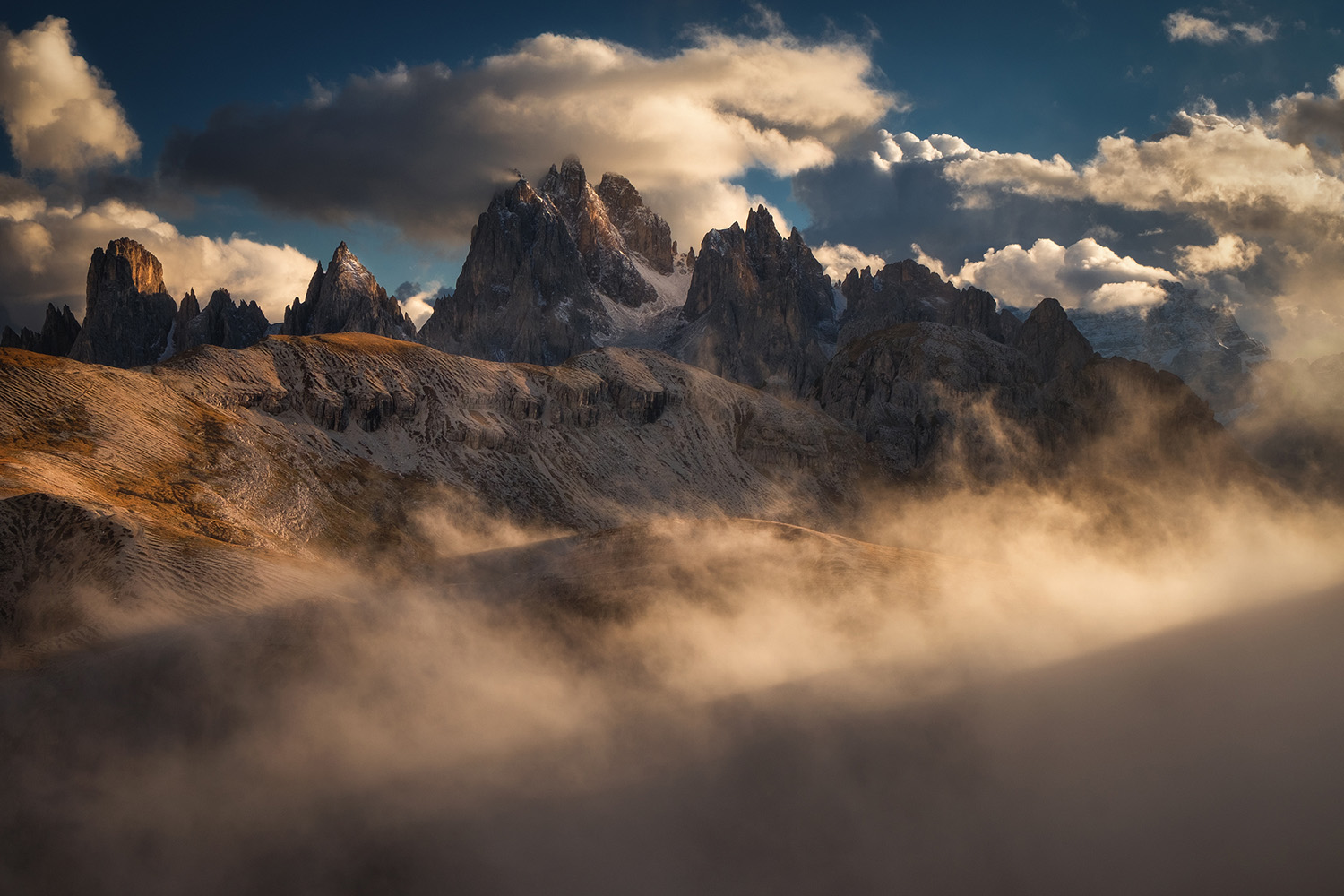
October's lower sun angle creates warm, directional light that holds for hours instead of the brief windows you get in summer. The harsh midday light of July and August gives way to sculptural illumination that reveals every texture in the pale dolomite rock — the cracks, the shadows, the vertical striations on the jagged peaks that make these mountains photograph like nothing else on Earth.
The Atmosphere
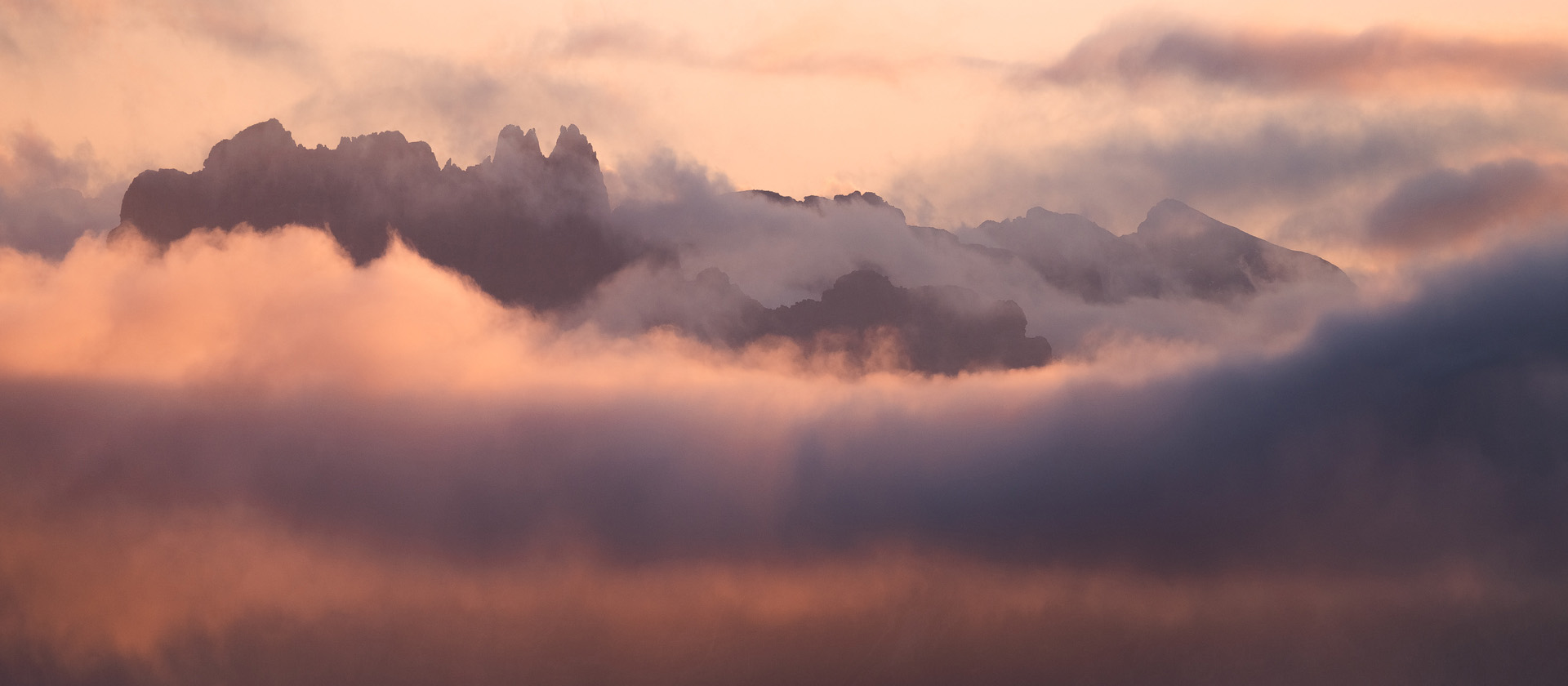
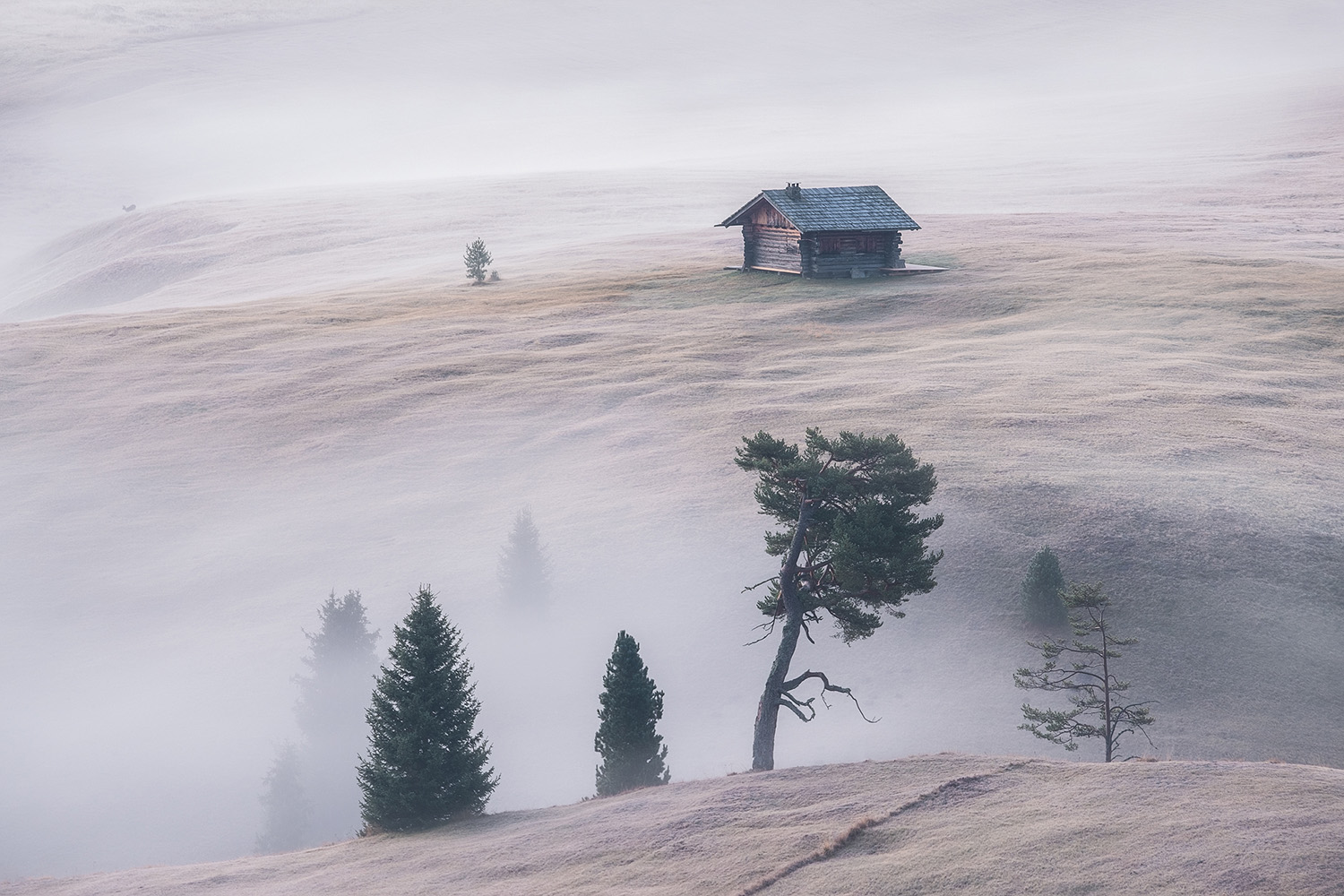
Temperature differentials between valleys and peaks in October create morning fog inversions — those dawn moments when you're shooting above the clouds while villages below disappear in mist. These conditions happen reliably here in October.
The Larches
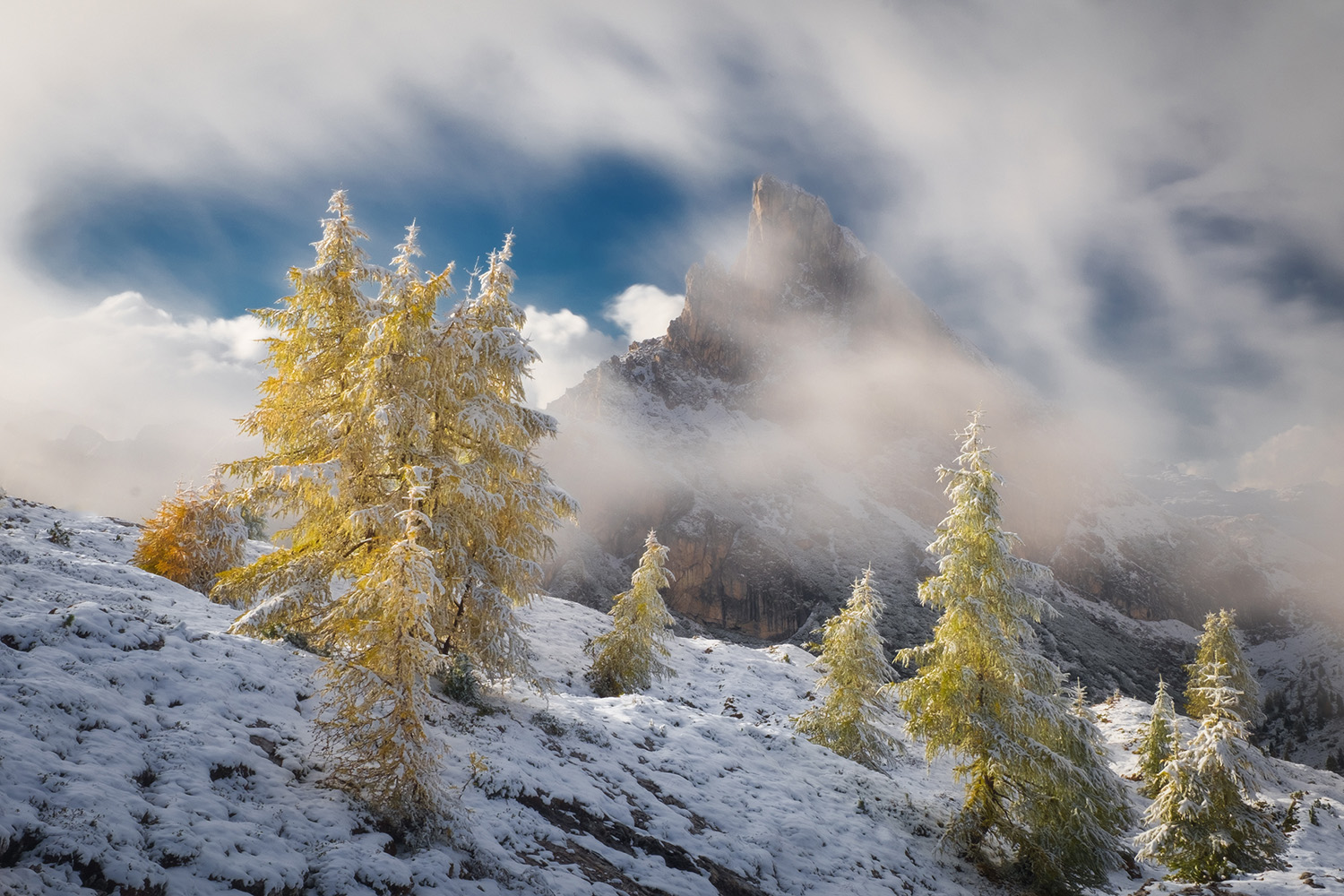
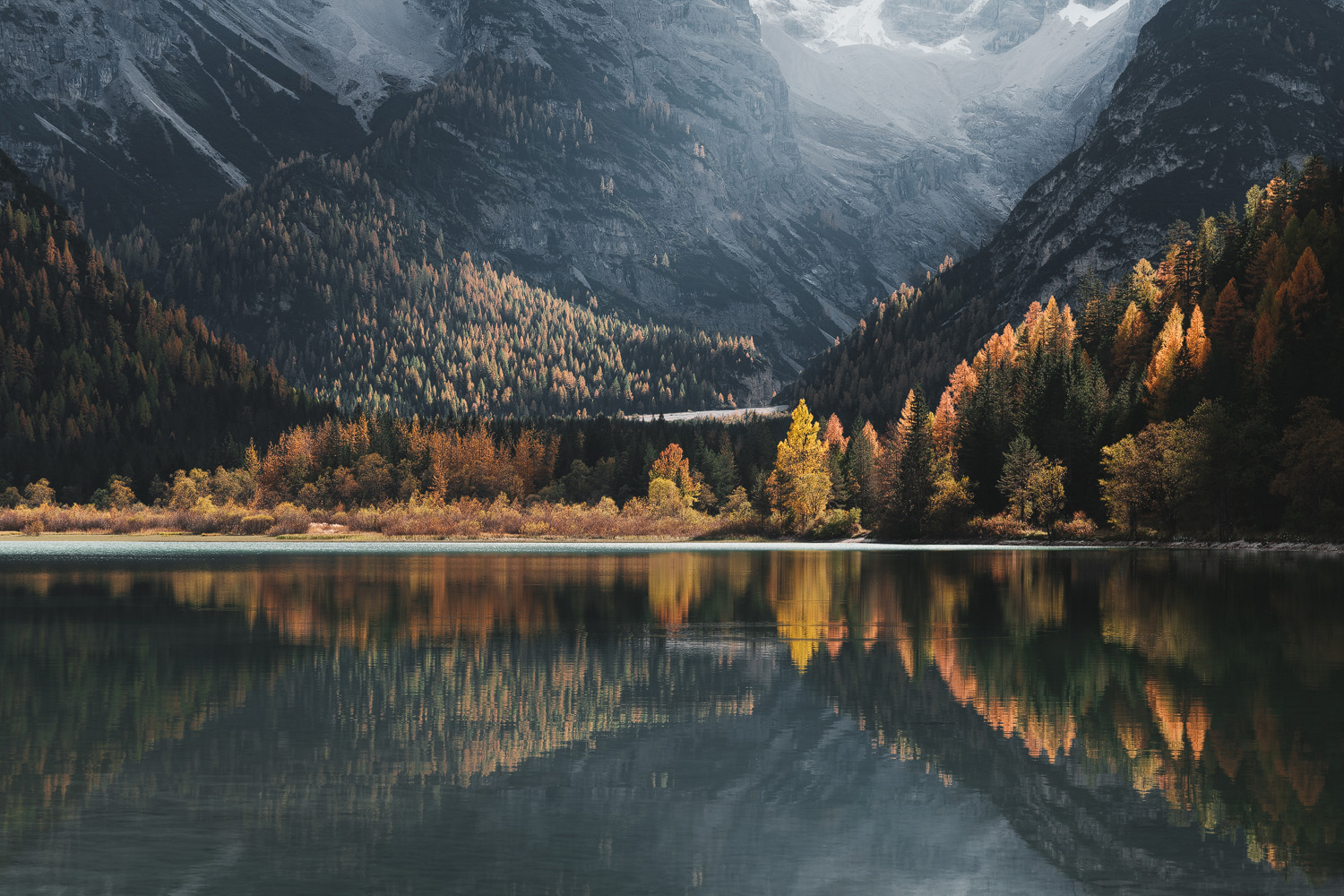
The European Larch is the star of Dolomite autumn. Unlike other conifers, it's deciduous. For roughly two weeks in mid-October, entire mountainsides turn from green to brilliant gold before the needles drop. We time this workshop for that window.
The Quiet
The summer crowds are gone. Mountain refuges have closed for the season. Tour buses have stopped running the passes. The locations are largely ours to work without competing for position.
Read the complete guide to the transformative power of autumn light in the Dolomites.
The Italian Dolomites are known for dramatic landscape photography opportunities, including traditional alpine vistas and night sky astrophotography under some of Europe's darkest mountain skies.
This Dolomites photography workshop is scheduled in autumn to capture the seasonal transition when the larches turn golden and the landscape is enhanced by low sun and morning mist.
The workshop caters to amateur, intermediate, and advanced photographers with a working understanding of manual camera settings, and participants can expect hands-on field instruction throughout to advance their technical and creative abilities. Sunrise shoots and sunset shoots anchor every shooting day, alongside post-processing tutorials between field sessions to enhance your photography skills.
The Itinerary
A Day-by-Day Look at the Itinerary
Each day is designed around the light, and this itinerary represents our planned locations. Weather in the mountains is our collaborator, not our obstacle — so we stay flexible and reroute when the forecast calls for something better than what was on the schedule.
Days 1–3: Ortisei (Val Gardena)
Day 1 — Arrival and Alpe di Siusi at sunset.
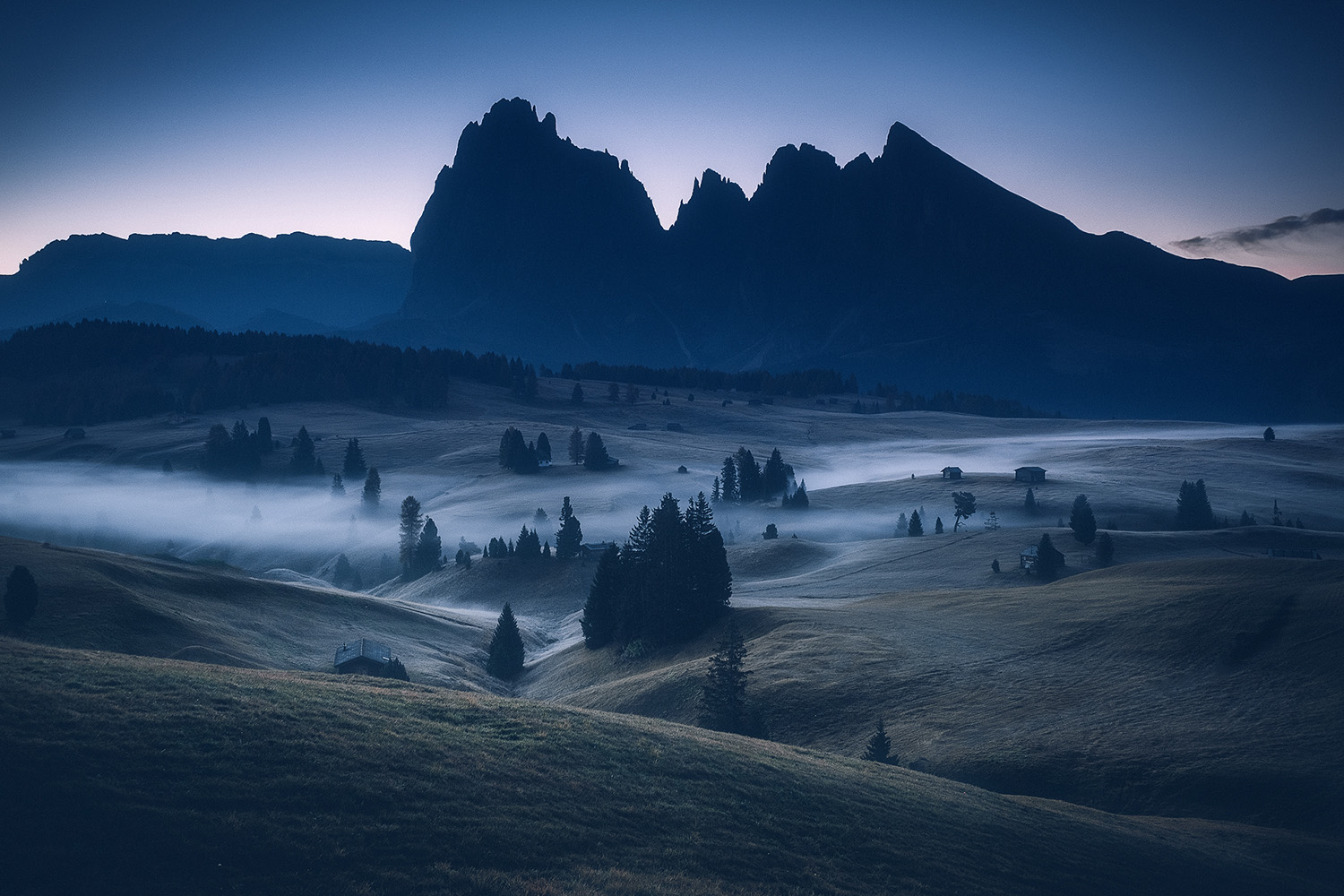
Pickup at the Munich Airport Hilton no later than 12 PM, then four hours south through Germany, Austria, and Italy to Ortisei. After check-in we head out for the first sunset shoot on Alpe di Siusi — the largest alpine meadow in Europe, with the Langkofel range as backdrop. We work golden hour into blue hour, then head back for dinner in town.
Day 2 — Alpe di Siusi at sunrise, Santa Magdalena at sunset.
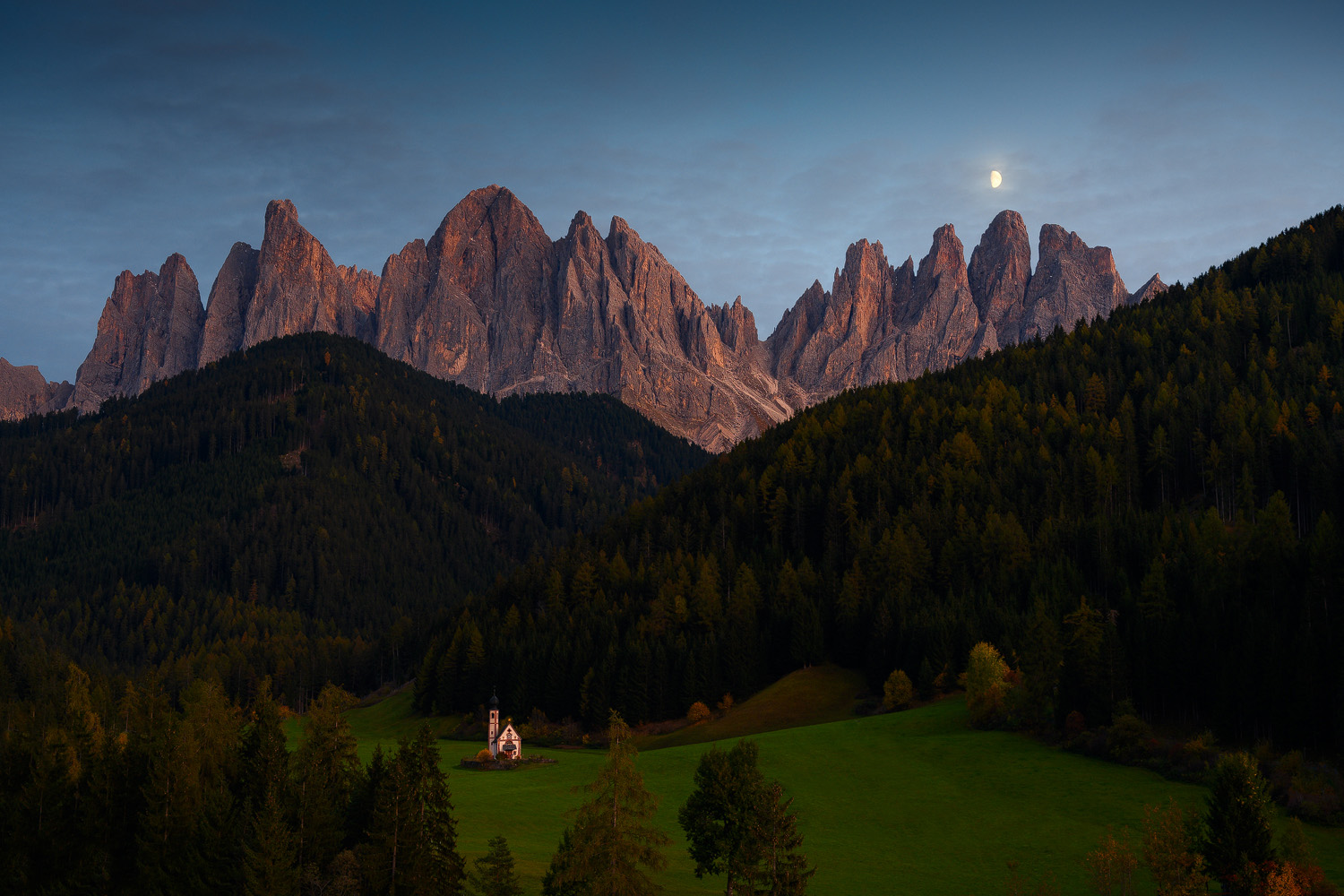
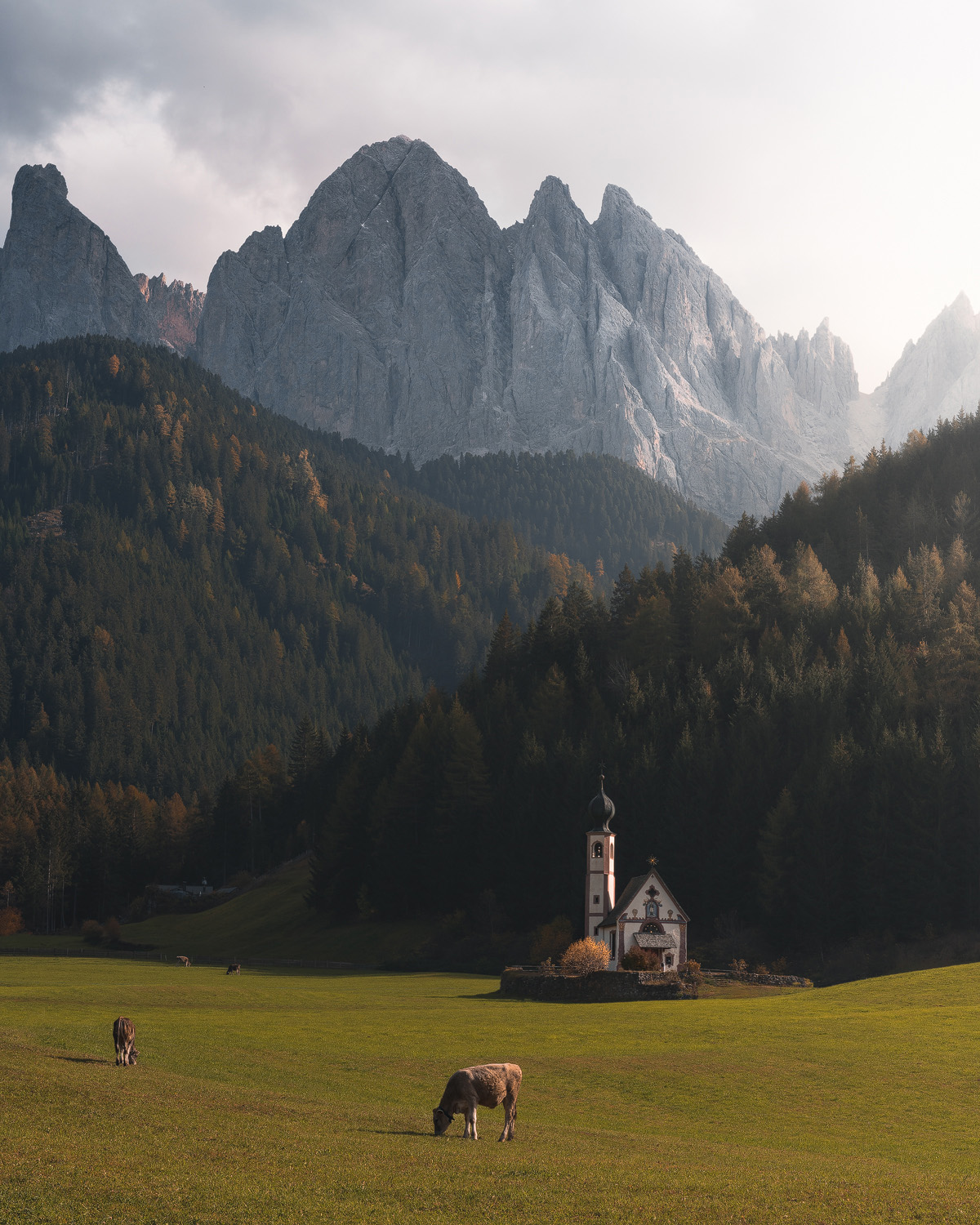
Pre-dawn return to Alpe di Siusi for first light on the Langkofel range. In the afternoon we move to Santa Maddalena in Val di Funes, where the iconic St. Maddalena church and St. Johann church both sit beneath the Odle range — we work them from the classic angles and from quieter viewpoints the tour buses don't know about.
Day 3 — Seceda and surrounding locations.
We take the Seceda cable car up to one of the most dramatic viewpoints in the entire range. The Fermeda towers jut up in formations that seem almost alien, and the slopes beneath are a tapestry of gold in October. We work both wide compositions and intimate scenes using telephoto compression.
Days 4–7: Cortina d'Ampezzo
Day 4 — Move day + Tre Cime at sunset.
Drive east to Cortina d'Ampezzo, our base for the final three nights, with a stop at Carezza Lake along the way — a small lake in the Dolomites known for its emerald waters and picturesque mountain backdrop. Sunset at the Drei Zinnen area — a 30-minute hike from the parking area opens up spectacular views of Tre Cime di Lavaredo. We work blue hour through full dark before heading back for dinner; if skies are exceptional, we'll grab an opportunistic night-sky frame on the way out.
Day 5 — Lago di Braies at sunrise, Cortina region at sunset.
Lago di Braies is one of the most iconic photography spots in the Dolomites, famous for its mirror-like reflections and dramatic mountain scenery — and pre-dawn departure gets us there before thermal winds kick up and the crowds arrive. Sunset is a choice between Lago Limedes or Cinque Torri depending on conditions.
Day 6 — Tre Cime at sunrise, then Passo Giau or hidden lakes.
Tre Cime di Lavaredo, known as the Three Peaks, is a prominent landmark in the Dolomites offering breathtaking views and numerous landscape photography opportunities — pre-dawn departure to Rifugio Auronzo positions us for sunrise on the peaks, then we walk sections of the circular trail that reveals constantly changing angles. Later we drive to Passo Giau for its 360-degree panorama and grasslands that glow ochre in autumn light.
Day 7 — Final sunrise and departure.
One last sunrise — location depends on forecast, picking the spot with the best odds for fog inversions or alpenglow. After breakfast and checkout, drive back to Munich Airport, arriving by 2 PM for afternoon and evening departures.
The Teaching
What You'll Learn
Every technique gets taught in the field, in real conditions, while the light is doing what it's doing. The goal is to teach you to read what's happening in front of you and respond to it.
Workshops usually include specialized training in techniques like focus stacking and astrophotography, alongside foundational composition and post-processing skills that translate to any landscape work.
Composition techniques such as the rule of thirds, leading lines, and framing are emphasized throughout for creating visually compelling photographs. Understanding natural light and its effects on landscapes is central to everything we teach — directional sun, low autumn angles, and fog-diffused light all shape mood and reveal texture differently across the day.
Post-processing techniques are essential for enhancing landscape and wildlife photographs, allowing photographers to adjust exposure, contrast, and color balance to achieve the desired artistic effect.
Technical Mastery
Exposure strategies for high-contrast alpine scenes — bracketing, graduated filters, exposure blending, and knowing when each approach works best
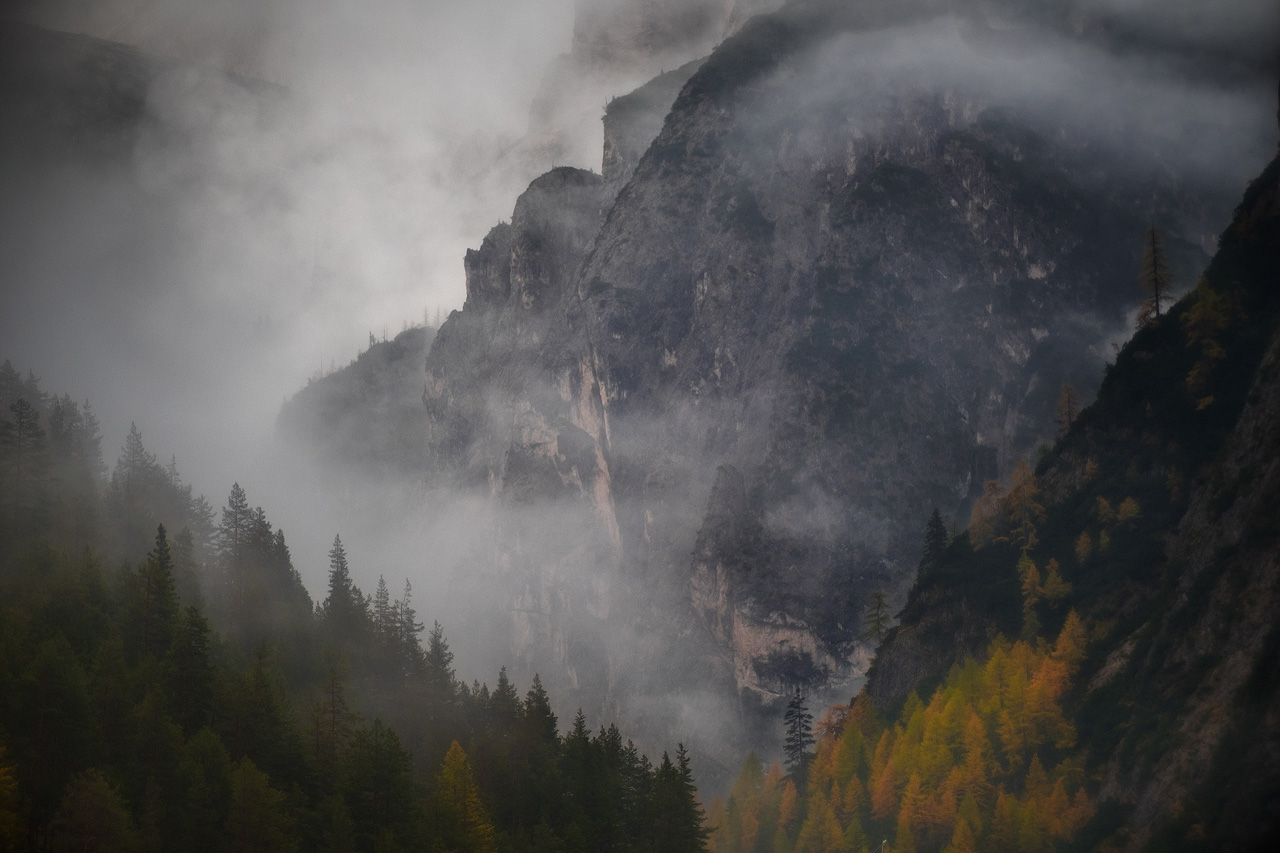
Working with fog and atmospheric conditions — reading inversions, anticipating clearing, using mist as a compositional element instead of fighting it
Reflection techniques — polarizer control, wind reading, long exposure for smoothing rough water, composition for symmetry
Focus stacking — building front-to-back sharpness in scenes with strong foreground and distant peaks, and when to skip it in favor of a single frame
Reading low-angle autumn light — working the steep-shadow side of October, when the sun barely climbs above the southern peaks and every dolomite face turns into a sculpted relief map
Compositional Vision
Reading natural light — understanding how directional sun, low autumn angles, and fog-diffused light shape mood and reveal texture across a landscape
Composition fundamentals applied in the field — rule of thirds, leading lines, framing, and foreground anchoring for grand alpine scenes
Scale and perspective — using human elements, telephoto compression, and wide-angle distortion intentionally
Visual storytelling beyond the postcard — developing your personal vision at iconic locations where everyone else is shooting the same angles
Post-Processing Workflow
RAW processing fundamentals — exposure recovery, color grading, and targeted adjustments in Adobe Lightroom for landscape photography
Exposure blending techniques — luminosity masks and manual blending for natural HDR results
Color and atmosphere — enhancing the mood of foggy scenes, golden hour warmth, and blue hour cool tones
Learn more about the exposure foundations behind every workshop technique.
Investment & Details
What's Included
Pricing
Tuition
$5,700 per person, double occupancy
Deposit
$2,000 reserves your spot
Final Payment
Balance due 120 days before workshop date
Alumni Rate
Returning photographers, ask for your rate.
Dates
October 23–29, 2027
Group Size
Minimum 6, maximum 10 photographers
✓ Included
✗ Not included
Accommodation
We stay in selected 3–4 star hotels chosen for one reason: proximity to shooting locations. Drive times to pre-dawn shoots matter. Comfortable beds between 4 AM starts matter. Everything else is a bonus.
Nights 1–3 — Ortisei, Val Gardena.
A mountain village in the heart of Val Gardena with easy access to Alpe di Siusi, Val di Funes, the Seceda cable car, and the surrounding Odle range. Good restaurants, walkable town, solid sleep.
Nights 4–6 — Cortina d'Ampezzo.
Our base for the second half, well-positioned for Tre Cime di Lavaredo, Cinque Torri, Passo Giau, and the eastern part of the Dolomite lakes. Quick access to all the main locations without long daily drives.
A note on rooms
Single occupancy rooms are available for an additional fee — a $1,200 supplement, subject to availability. All rooms are double occupancy by default. Solo travelers who'd prefer to share can be matched with another solo participant when possible — we try, but can't guarantee it.
Your Instructor
Michael Schultz
Landscape & Travel Photographer, Workshop Leader
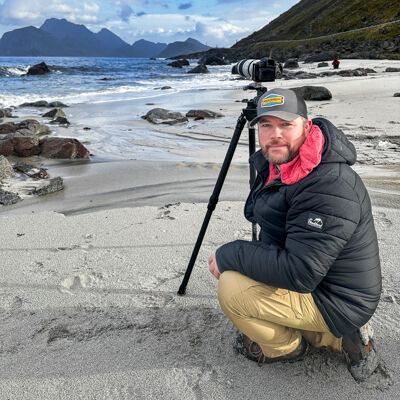
I'm Michael Schultz, founder of Face The Outdoors Photography. I was born and raised in Alaska, and I've spent years photographing this state professionally — its bears, its aurora, its coastlines, its weather. Face The Outdoors has been featured in National Geographic, and I've led photography workshops from Alaska to abroad. Alaska is home, and Lake Clark is one of the locations I return to every year.
For the Dolomites, I've partnered with Lofoten Tours — the same team I work with in Norway. They run workshops in this region regularly and know it inside out: where to be at sunrise, which pass holds the fog inversion, which hike gets you to the alpine tarn before the wind kicks up. Between their location expertise and my teaching, you get both — guides who've worked every shoot location a hundred times, and an instructor focused on how you're actually making images while you're there.
On gear, I shoot with FLM tripods and Maven filters — happy to help you make informed gear decisions before the workshop if your setup needs work.
From Past Participants
What Past Workshop Participants Say
These quotes are from past Face The Outdoors Photography Norway workshop participants — international workshops are what we do, and the teaching, logistics, and small-group experience translate directly to the Dolomites.
"We had the benefit of local guides who had excellent awareness of the region and its weather patterns, which truly maximized our photographic opportunities in ways I didn't think possible."
Valerie R.- Norway
"This was my second consecutive workshop with Michael... Looking forward to joining future workshops."
Abner P. - Norway
"The entire experience was well-organized—from accommodations and local food to well-planned shooting locations that captured the best of the light and landscapes."
Boris & Claire - Norway
In the Frame
Gallery: October in the Dolomites
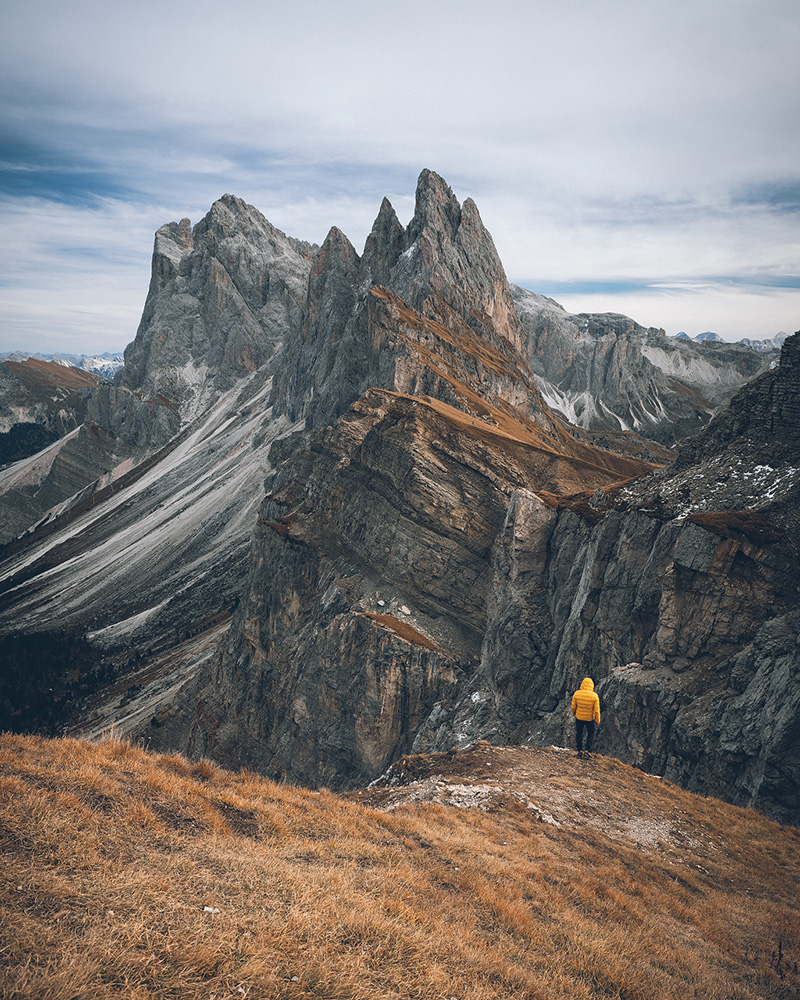
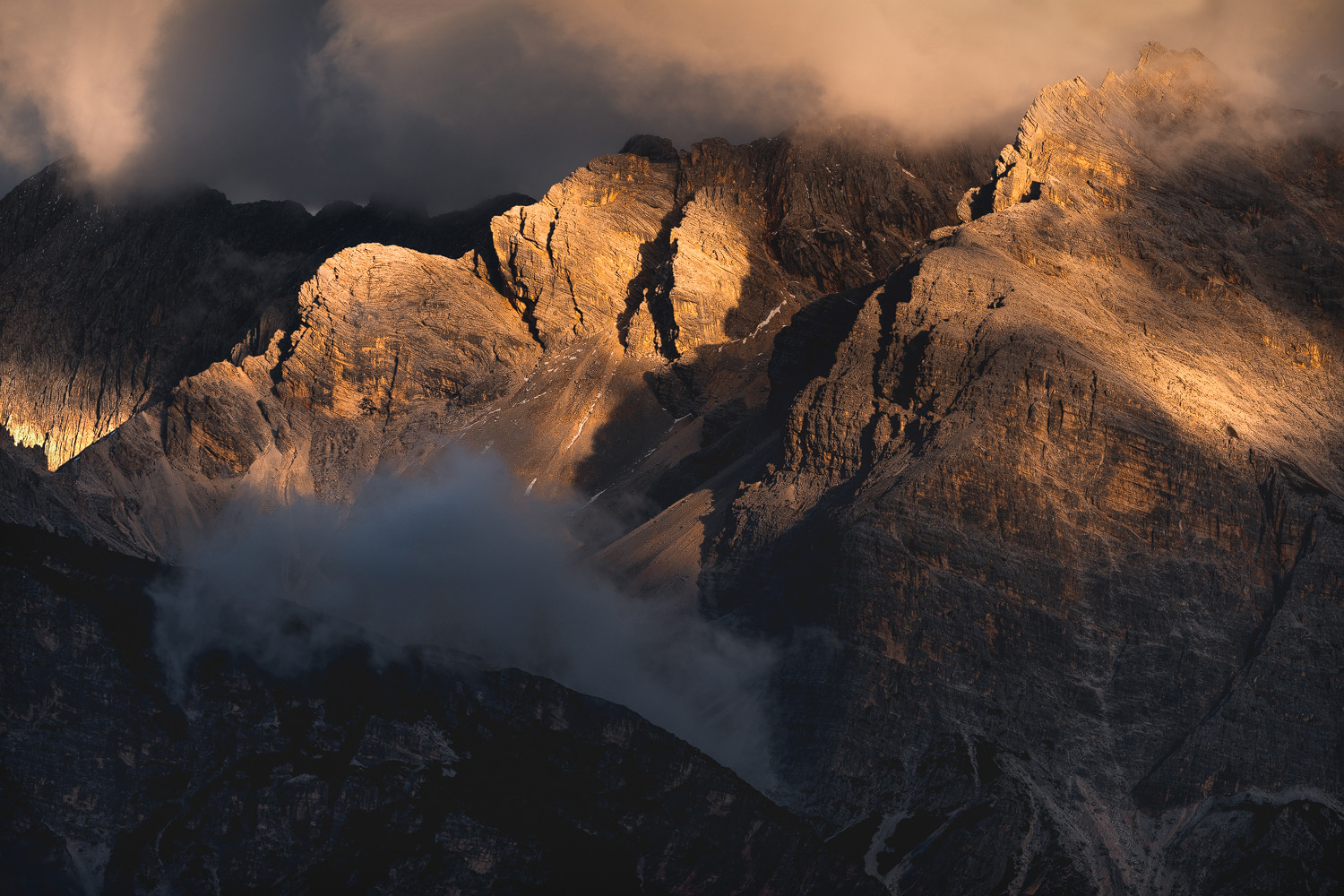
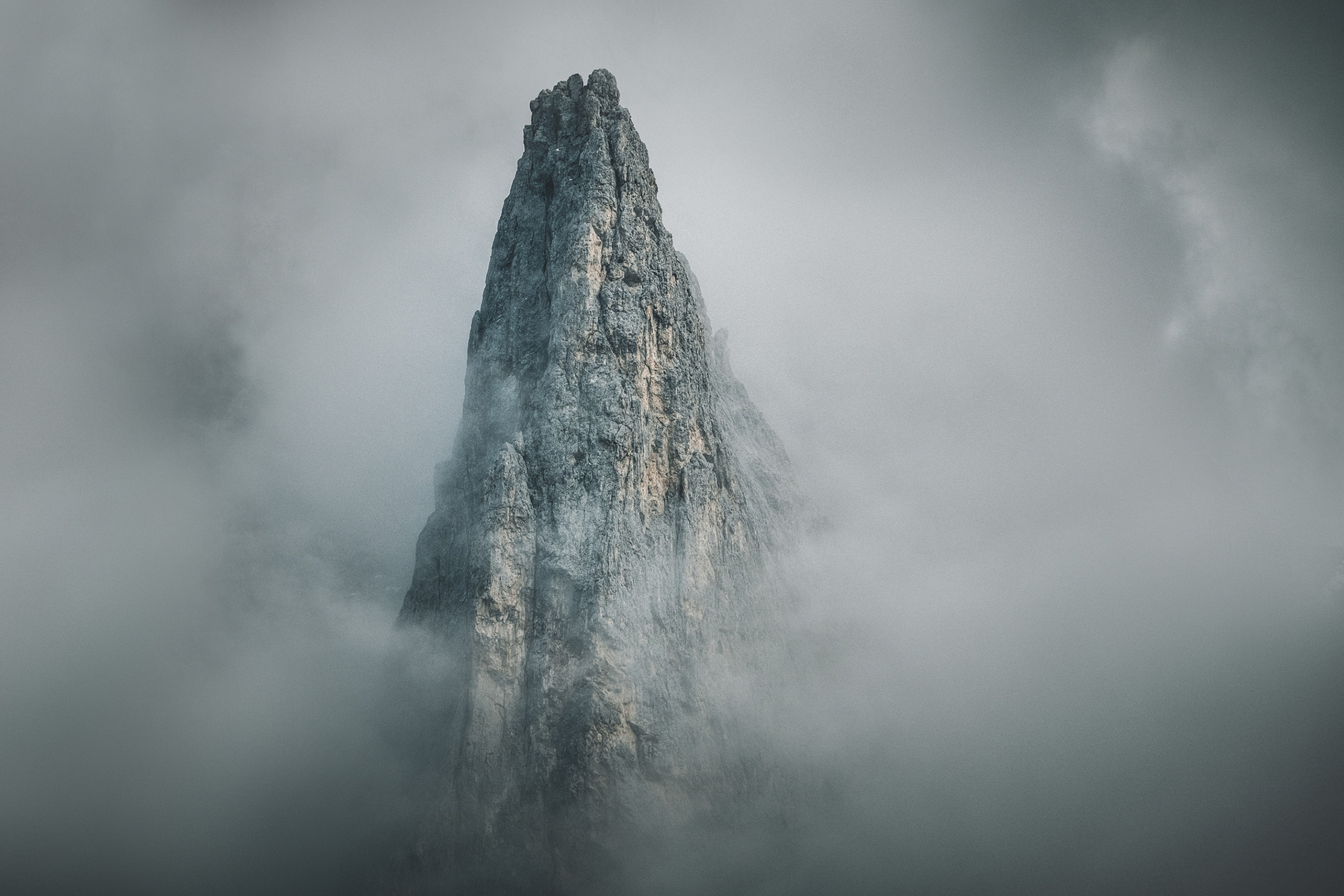
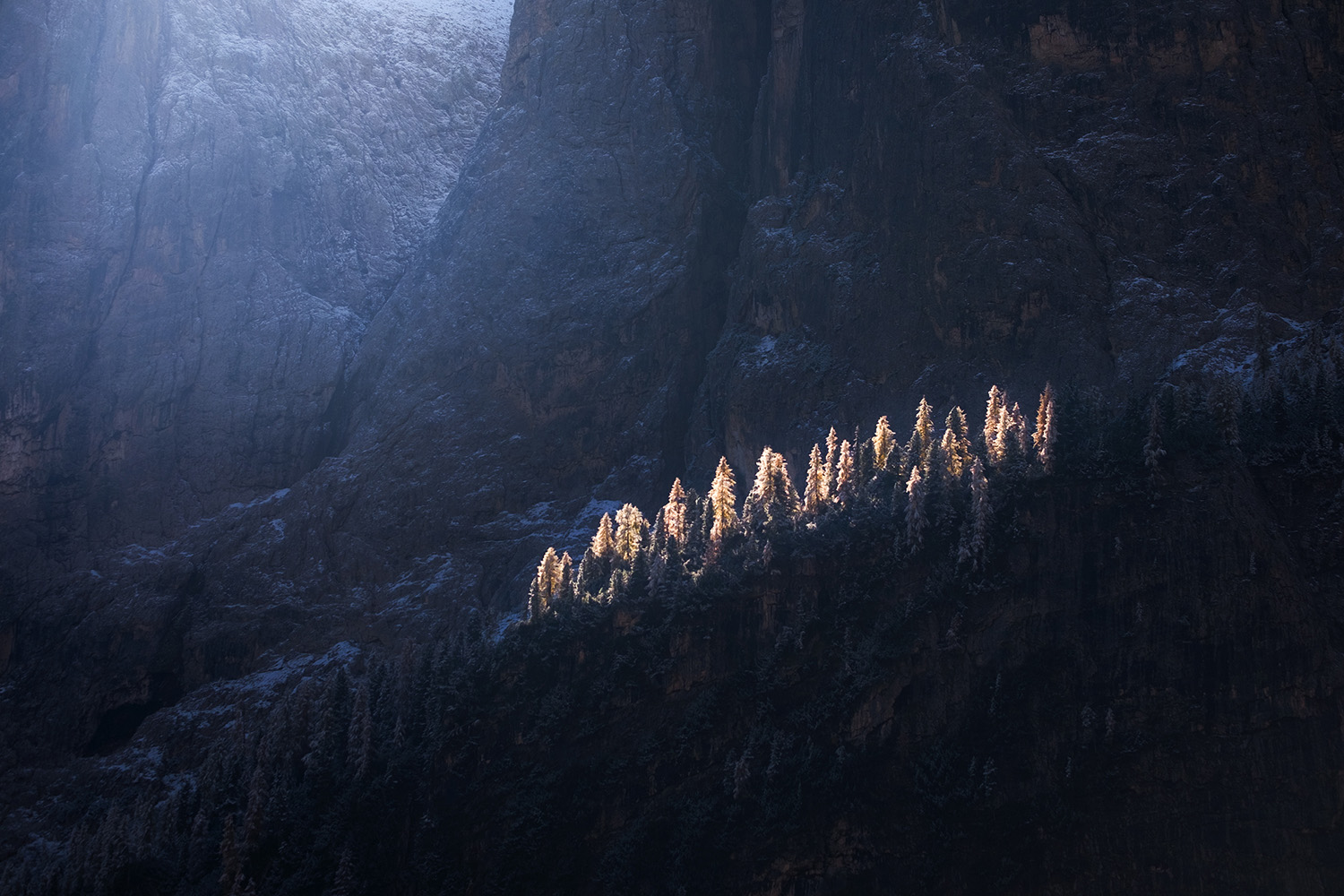
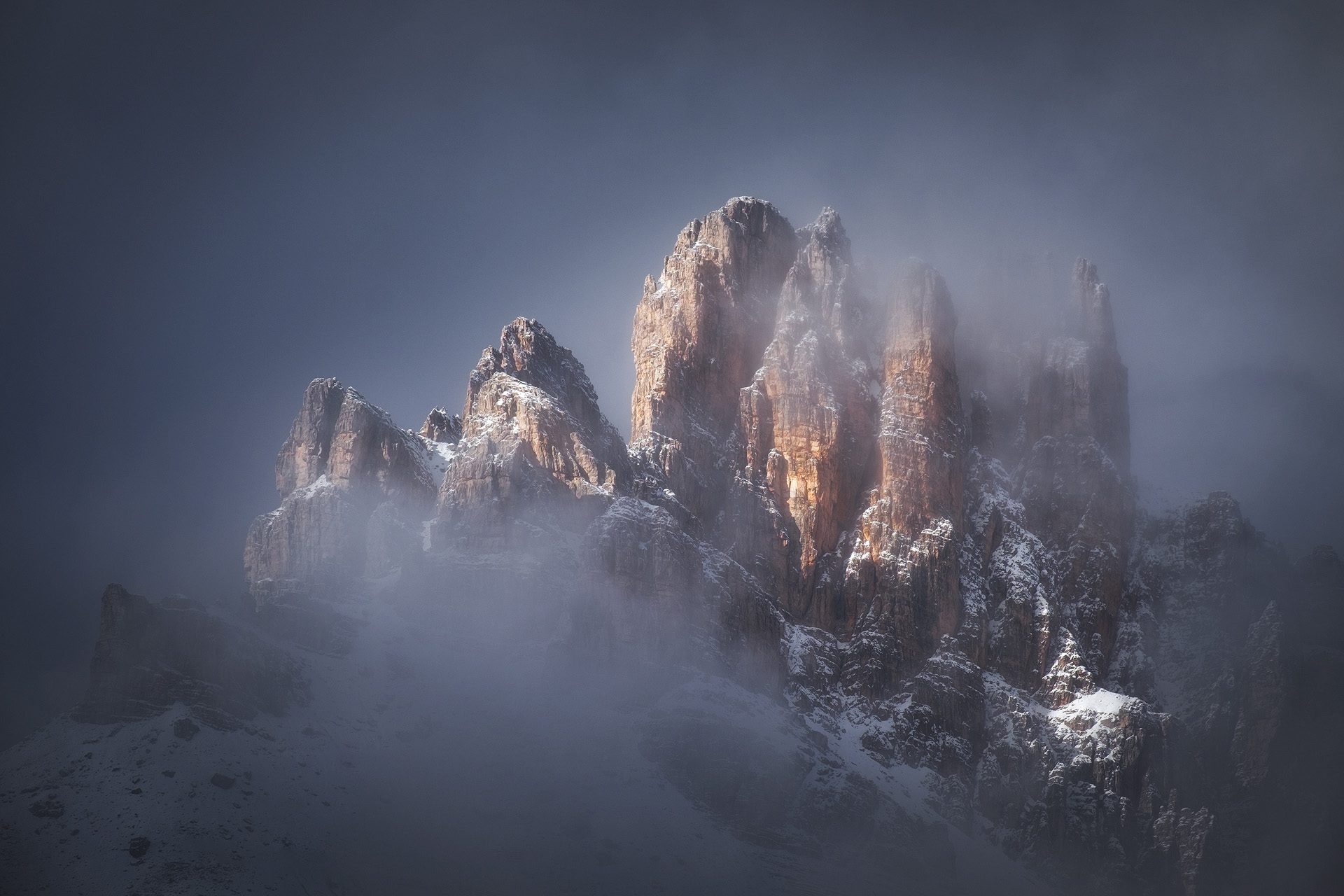
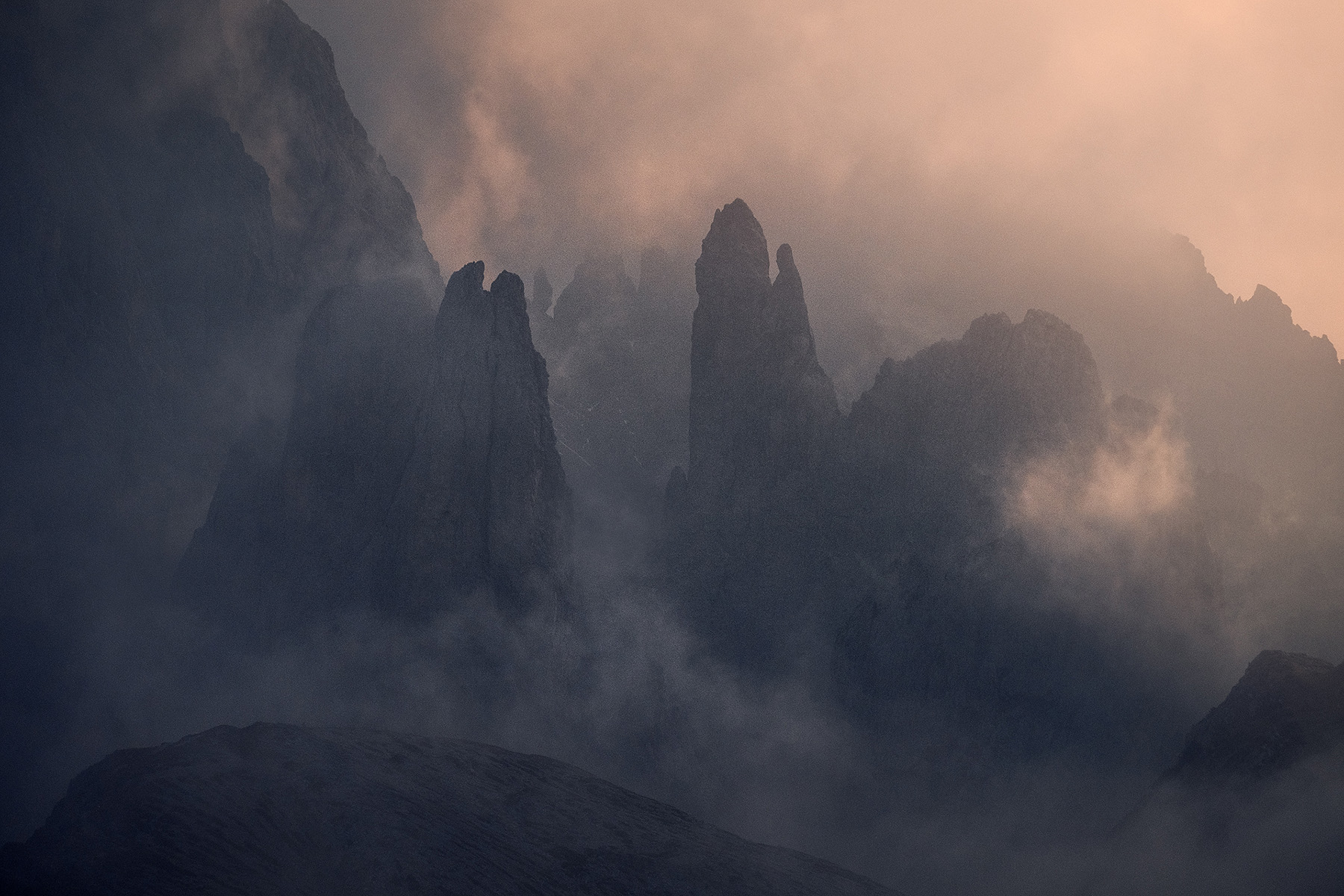
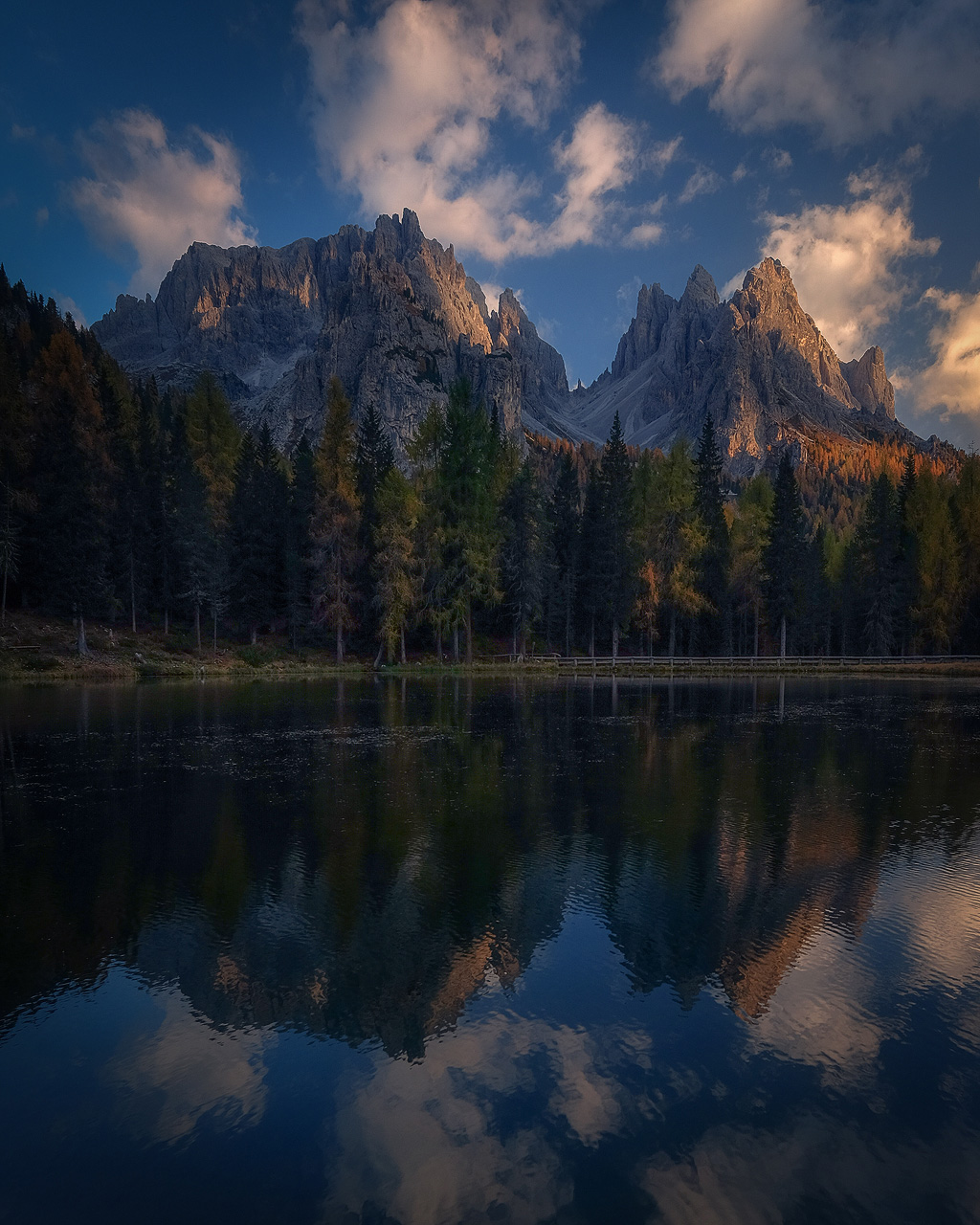
These images show the conditions we'll be chasing together — fog inversions at dawn, golden larches at peak color, alpenglow on pale dolomite rock, still water at blue hour. October in the Italian Dolomites delivers these reliably, and this gallery is a preview of what your memory card can look like at the end of the week.
Limited to 10 Photographers
Join Me in the Dolomites This October
October 23–29, 2027 in the Italian Dolomites — $5,700 per person, with a $2,000 deposit to reserve your spot.
Registration closes when full or 120 days before departure, whichever comes first.
Before You Book
Practical Information
Physical Requirements
You'll want a reasonable level of fitness for this workshop — reaching most shooting locations involves a short hike, though nothing strenuous.
Most shooting locations are short walks from parking — under 1 km on established paths with minimal elevation gain. The longest walk is the Tre Cime di Lavaredo circuit at Rifugio Auronzo, roughly 30 minutes each direction on well-maintained trails. A few sunrise locations involve short hikes at altitude (1,800–2,200 meters), but the pace is photographer's pace — plenty of time to set up, compose, and shoot without rushing.
If you can comfortably walk 2–3 miles over uneven terrain with a camera pack and hike for 30–45 minutes without stopping, you'll have no problem on this workshop. Travelers with limited mobility or balance concerns should reach out before booking so we can discuss specific locations in advance.
Weather & Conditions
October in the Dolomites is magnificent but variable. Daytime temperatures typically range from 5°C to 15°C (40°F to 60°F), with mornings dropping below freezing at altitude. Rain is possible, and early snow occasionally dusts the higher peaks — which creates some of the strongest photographic conditions of the season.
We shoot in all conditions except genuinely dangerous weather (lightning, severe wind). Fog inversions, mist, low clouds, and storm light often produce our strongest images. Come prepared for variety — layering is essential, and waterproof outer layers are non-negotiable.
Recommended Gear
Camera
A DSLR or mirrorless interchangeable-lens camera with a tripod is essential for this workshop — full-frame or crop sensor. Bring the camera you already know well. October in the Dolomites is not the time to learn new equipment.
Tripod
Sturdy carbon fiber. Wind can be fierce at altitude, and pre-dawn shoots in cold conditions are where lightweight tripods fall short. Don't skimp here.
Filters
A circular polarizer is essential — for reflections on alpine lakes and for cutting haze and sky glare. Graduated ND filters help balance bright skies against dark foregrounds, but they're not required if you're comfortable with exposure blending in post.
Accessories
Extra batteries (cold drains them faster than you think), multiple memory cards, a remote shutter release for your camera, a headlamp with red-light mode for pre-dawn setup, and a rain cover for your camera bag.
Laptop
Recommended for the Adobe Lightroom post-processing sessions. Not required, but the hands-on work is more productive if you can edit your own images alongside the instruction.
Lenses
Three focal length ranges cover almost everything we'll shoot.
- Wide-angle zoom (16–35mm or equivalent) is recommended for grand panoramic vistas, foreground-heavy compositions, and night sky work — essential
- Mid-range zoom (24–70mm or 24–105mm) for general landscape work and the versatility between wide and telephoto
- Telephoto zoom (70–200mm or longer) for isolating distant peaks, compressing mountain layers, and picking out details like the Tre Cime circuit or distant larch stands — highly recommended
For the deeper dive on cold-weather and mountain camera gear, see my complete cold-weather and arctic photography gear guide.
Clothing Essentials
- Layering system: moisture-wicking base layer, insulating fleece or down mid-layer, waterproof and windproof outer shell
- Sturdy hiking boots with ankle support and solid tread (waterproof strongly recommended)
- Warm hat, gloves, and ideally touchscreen-compatible photography gloves
- Rain pants and a full waterproof jacket
- Comfortable clothing for hotel evenings and dinners
A detailed packing list is sent to every registered participant.
FAQ
Frequently Asked Questions
What skill level is this workshop designed for?
Intermediate to advanced photographers comfortable with their camera's manual settings — aperture, shutter speed, ISO. Complete beginners may find the pace challenging, though enthusiastic learners are welcome to reach out before booking to discuss.
How physically demanding is this workshop?
Easy to moderate. Most shooting locations are short walks from parking — under 1 km on established paths. The longest is the Tre Cime di Lavaredo circuit at Rifugio Auronzo, roughly 30 minutes each direction on well-maintained trails. If you can comfortably walk 2–3 miles over uneven terrain with a camera pack, you'll have no problem. We never rush — photography is the priority, not speed.
What happens if the weather is bad?
"Bad" weather is often our best weather. Fog inversions, mist, low clouds, and storm light produce some of our strongest images. We shoot in all conditions except genuinely dangerous weather (lightning, severe wind). If a specific location is unusable, we have backup locations at different elevations and exposures.
Is travel insurance required?
Yes. Comprehensive travel and health insurance covering trip cancellation, medical emergencies, and evacuation is required, as personal medical costs may not be covered by domestic insurance while traveling internationally. Mountain activities carry inherent risk and proper insurance protects both you and the group. I can recommend providers if needed.
What is the cancellation policy?
Deposits are non-refundable but transferable to another person or future workshop. For cancellations more than 120 days before departure, the balance (minus deposit) is fully refundable. Cancellations 60–120 days out receive a 50% refund of the balance. Cancellations within 60 days are non-refundable. Trip cancellation insurance protects against these situations. Complete booking terms are in our Terms and Conditions.
How many photographers will be in the group?
Minimum 6 to run the workshop, maximum 10 participants. With Michael and the Lofoten Tours guides, the instructor-to-participant ratio stays strong and everyone has space to work at popular locations without crowding.
What if the workshop doesn't reach the minimum number of participants?
If we don't reach 6 registered participants by 120 days before the workshop start, we'll notify you. You can transfer your deposit to a future Face The Outdoors Photography workshop, apply it to a different trip, or receive a full refund. We won't run a workshop that doesn't meet the minimum, and we won't leave you hanging if it doesn't.
What camera and lenses do you recommend?
Any interchangeable-lens camera works. The most important lenses are a wide-angle zoom (16–35mm or equivalent) for grand landscapes and a telephoto zoom (70–200mm) for isolating peaks and compressing mountain layers. Bring gear you already know well. A full gear recommendation is sent to every registered participant.
Is there single room availability?
Yes. Single rooms are available for a $1,200 supplement, subject to availability. All rooms are double occupancy by default. Solo travelers who'd prefer to share can be matched with another solo participant of the same gender when possible — we try, but can't guarantee it.
What about dietary restrictions?
Most dietary needs can be accommodated. The Dolomites region has excellent cuisine with many vegetarian-friendly options. Vegan, gluten-free, and other requirements can be communicated to hotels and restaurants in advance. Please share any restrictions at the time of booking.
Can I arrive early or stay later?
Strongly encouraged. The meeting point is the Munich Airport Hilton, walkable from Munich Airport — plan to stay there the night before so you're rested for the 12 PM Day 1 pickup (the night before is not included in the workshop fee). Munich and the surrounding Bavarian region reward a few extra days on either end if you have time.
What will I photograph and learn during the workshop?
Photography workshops in the Dolomites offer multi-day educational experiences, and this one runs seven days built around the light. Workshops often involve capturing magic hour light at iconic locations — Tre Cime di Lavaredo, Lago di Braies, Alpe di Siusi, Seceda, and Cinque Torri — and Dolomites photography workshops maximize time in the field rather than the classroom. Participants learn focus stacking, long exposures, and dynamic bracketed exposures, and technical instruction includes managing high-contrast alpine scenes using filters. Local guides help optimize timing for photography at the best light, and travel photography experiences like this one focus on remote natural locations. The private group chat and group dinners also provide opportunities for networking among photographers.
Still Deciding?
Let's figure out the right trip together.
Booking a workshop is a real decision, and some questions a website can't answer — your gear, your experience level, which of my trips actually fits what you want to photograph. So I set aside 45 minutes for a one-on-one call: bring your work if you'd like, and you'll leave with a clear plan and the right trip picked.
The session is $197, and if you book any workshop within a year, that full $197 comes off your deposit. If you go, it costs you nothing extra — if you don't, you've still walked away with a plan.
Reserve Your Spot
October 23–29, 2027 · Italian Dolomites
Registration closes when full or 120 days before departure, whichever comes first.
Questions before booking? Email [email protected] — response within 24 hours.
Or read the complete guide to Dolomites October photography to learn more about this extraordinary location.
Not Ready to Reserve Yet?
Take the free field guide with you
What Alaska Taught Me is my free guide to the landscape photography lessons two decades in the field have hammered home — reading light, working weather, and making images that hold up. Grab it below and I'll keep you posted as Dolomites seats fill.