
Photography Motivation: How to Stay Motivated as a Photographer and Overcome Creative Block
Photography is an art that captures moments, emotions, and stories in a single frame. It’s a rewarding and creative pursuit, but like any craft, it can sometimes be challenging to maintain motivation. Whether you’re a beginner photographer just learning the ropes or a professional photographer with years of experience, staying inspired and driven is crucial to your growth and satisfaction in this craft. Being seen as an artist, rather than just someone with a camera, can enhance your credibility and respectability in public photography situations, helping you approach your work with greater confidence.
I’ve been an outdoor photography professional for over fifteen years, capturing everything from sweeping wilderness landscapes to intimate details in the natural world. In that time, I’ve experienced stretches where the creative fire burned hot and others where picking up my camera felt like a chore. That’s normal. Every photographer I know has faced creative block at some point. Even boring or mundane scenes can offer valuable opportunities for creativity when you approach them with the right mindset.
The difference between those who keep growing and those who drift away from the craft often comes down to how they handle those low periods. Looking at familiar scenes with fresh eyes can help you find new inspiration and see ordinary things in a new light.
Here are some landscape photography tips and nature photography tips that have helped me—and countless photographers I’ve worked with—overcome photographer burnout and keep the passion for photography alive. Embracing reality and seeking authentic experiences is key to maintaining genuine photography motivation.
Introduction to Staying Motivated
Staying motivated as a photographer means recognizing the difference between those moments when morning light catches dew on spider webs—when everything clicks—and those hollow afternoons when your camera feels foreign in your hands. As any photographer who’s stood watching golden hour fade into nothing knows, there’s a vast chasm between feeling that electric pull toward your viewfinder and feeling like you’re wandering through fog with no compass. The truth cuts clean: every photographer faces those barren stretches when inspiration feels as distant as mountain peaks shrouded in storm clouds, but with precise attention to what actually moves you, those barriers dissolve like mist at sunrise.
Photography lives in the space between technical mastery and raw wonder—in the moment you frame autumn maples against granite cliffs, in the split-second decision that transforms ordinary light into something that stops viewers cold. When motivation dims like late-afternoon shadows, treat it as a signal to seek those locations that made you pick up a camera in the first place. To deal with a waning of your motivation, try simple coping strategies: take a break, revisit your favorite images, or set a small creative challenge for yourself to rekindle your drive. Return to that creek where water cuts through limestone. Find new angles on familiar subjects. Short. Direct. Real.
Whether you’re just learning to read available light or you’ve spent years chasing the perfect storm, reigniting that spark happens when you remember why you started: not for the gear or the technique, but for those moments when reality becomes art and you’re there to witness it. By staying present to what actually unfolds before your lens, you’ll discover that motivation isn’t something you summon—it’s something that finds you when you’re paying attention.
Set Clear Goals to Improve Your Photography Skills
Having a clear vision of what you want to achieve with your outdoor photography provides direction and purpose. Having a plan in place to guide your progress is essential, as it helps you stay focused and work toward your goals with intention. Without goals, it’s easy to feel like you’re wandering without making real progress—and that aimlessness feeds creative block.
Your goals might be technical—mastering long exposure photography, learning to capture sharp wildlife images, or understanding how to work with difficult lighting conditions. They might be project-based—completing a photo series on a region’s changing seasons, building a portfolio strong enough to sell fine art prints, or documenting every waterfall within driving distance of your home. They might be personal—simply getting outside with your camera more often.
Whatever your goals are, make them specific and break them into smaller, manageable steps. Starting with a strong idea can help shape your photographic projects and keep you motivated throughout the process. “Become a better landscape photographer” is too vague to be useful. “Shoot one sunrise per week for the next three months” gives you something concrete to work toward. Each small win builds momentum, and momentum is what keeps you moving forward when photography motivation wavers. Reaching your goals and maintaining progress requires consistent effort, especially when your initial enthusiasm fades.
Explore New Techniques for Photography Inspiration
Tip: To overcome creative stagnation and boost your photography motivation, try experimenting with a new technique or approach you haven't used before.
Nothing kills photography motivation faster than feeling stuck in a creative rut. If every shoot feels the same, it’s time to shake things up and find fresh photography inspiration.
If you’ve always shot wide-angle landscapes, try isolating details with a telephoto lens. If you gravitate toward golden hour warmth, challenge yourself to find compelling images in the flat light of an overcast day. If color is your comfort zone, spend a month converting everything to black and white and learn to see in terms of tone and contrast instead.
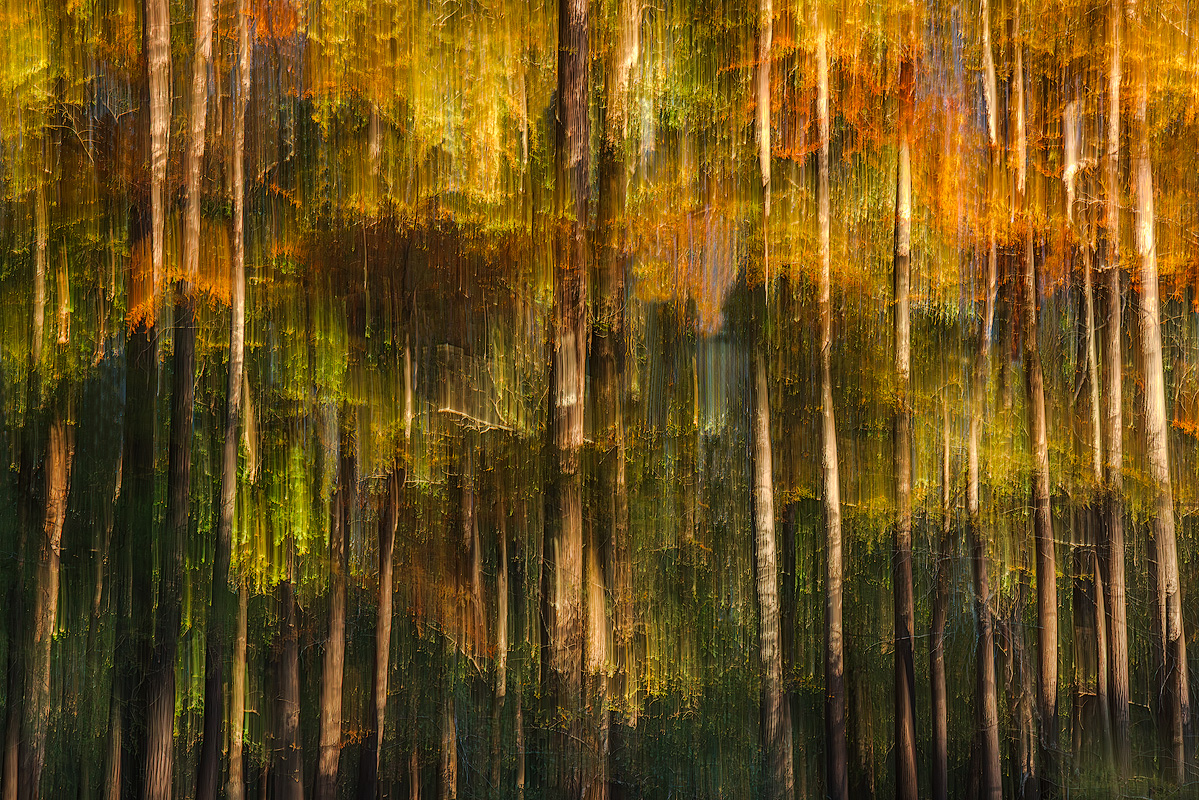
For outdoor photography enthusiasts specifically, exploring new techniques might mean diving into focus stacking for those intimate foreground-to-infinity compositions, experimenting with intentional camera movement for abstract images, or learning astrophotography to capture the Milky Way arching over a familiar location.
Pushing your boundaries leads to discoveries you never expected. Some experiments will fail—that’s part of the process. But every attempt teaches you something, and occasionally you’ll stumble onto a technique or style that completely transforms how you see and reignites your passion for photography.
Join an Outdoor Photography Community
Photography can feel like a solitary pursuit, especially for those of us who spend hours alone in the field waiting for the right light. But connecting with fellow nature photographers and landscape photographers provides something essential: perspective.
Join local photography clubs, participate in online forums, or engage with communities on social media where outdoor photography enthusiasts share their work. Being part of a group offers support during creative slumps, honest feedback that helps you improve your photography skills, and exposure to approaches you might never have considered on your own.
Some of the most valuable conversations I’ve had about photography happened around a campfire after a long day of shooting, talking through what worked, what didn’t, and what we wanted to try next. That sense of shared passion—knowing others understand why you’d wake up before dawn to catch first light or stand in freezing wind waiting for clouds to break—matters more than you might expect. Connecting with another person, whether through meaningful conversation or by photographing them and capturing their story, can offer fresh perspectives and spark new photography motivation.
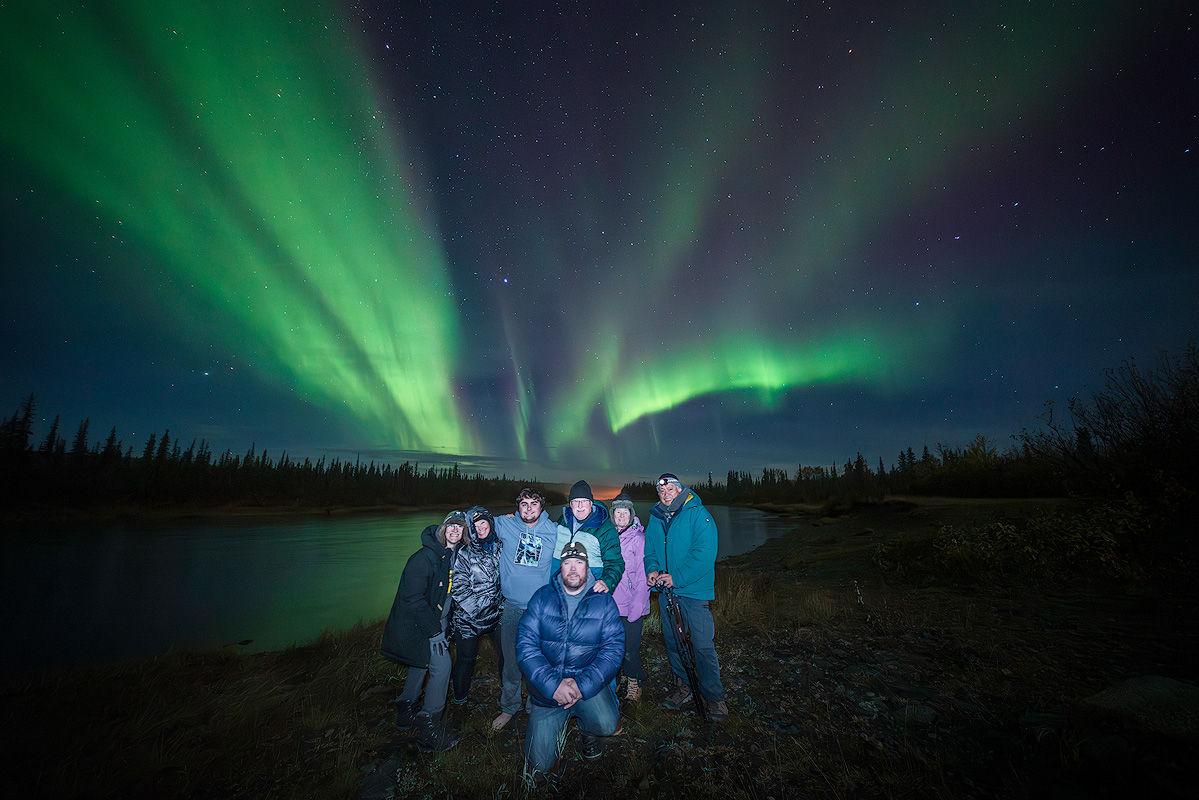
If you don’t have local photographers to connect with, photography workshops and photo tours can fill that gap. The relationships built during those experiences often last long after the trip ends.
Take On Personal Landscape Photography Projects
Client work and commercial assignments have their place, but personal projects are where your creative vision develops. These are the shoots you do purely because the subject matters to you—and they’re often the best cure for photographer burnout.
Personal photography projects give you freedom to experiment without external pressure. They let you dig deeper into subjects than a single outing allows. And they provide structure during periods when you might otherwise drift.
Your project might be documenting the seasons in a single location near your home, creating a nature photography series on the wildlife that shares your landscape, or telling the visual story of a place that holds personal meaning. I’ve spent years returning to the same spots under different conditions—different seasons, different light, different weather—building bodies of work that couldn’t exist without that long-term commitment. Creating a series of photographs over time can reveal new stories and perspectives, deepening your connection to the subject and showing how each photograph adds to the narrative.
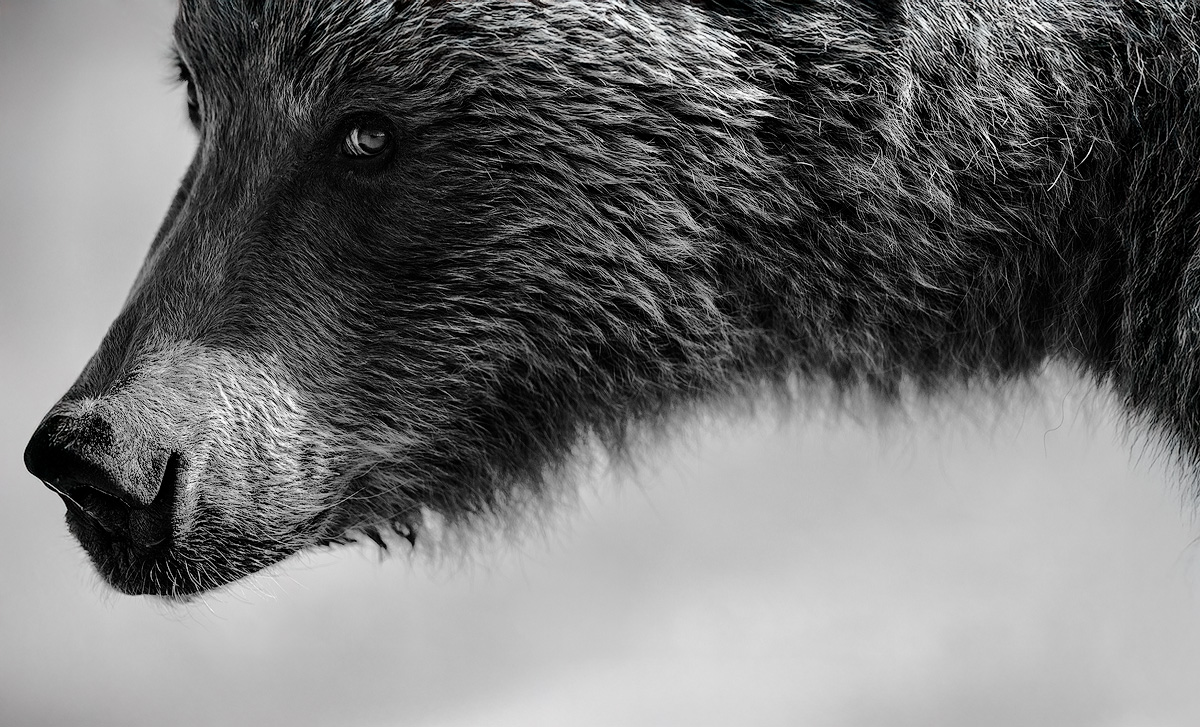
The beauty of personal projects is that they’re entirely yours. No deadlines except the ones you set. No creative constraints except the ones you choose. Just you, your camera, and something you genuinely care about capturing.
Challenge Yourself With Creative Photography Constraints
It sounds counterintuitive, but limitations often spark creativity more effectively than complete freedom. This is one of the most effective photography tips for breaking through creative block.
Set yourself photography challenges that force you to think differently. Spend a day shooting with only one prime lens. Give yourself thirty minutes to find ten compelling images in a location you’ve photographed dozens of times. Commit to a color theme for a week. Shoot an entire outing without chimping—no looking at your LCD until you’re back home.
These self-imposed constraints push you past your default habits. When you can’t rely on your usual approaches, you’re forced to see differently. That discomfort is where growth happens.
I sometimes challenge workshop participants to leave their wide-angle lenses in their bags for an entire shoot. The initial frustration gives way to discovery as they start finding intimate details and compressed perspectives they would have walked right past otherwise. Exploring the two sides of a scene or subject—by changing your angle or framing—can reveal hidden stories and lead to unexpected creative discoveries.
Find Photography Inspiration From Other Artists
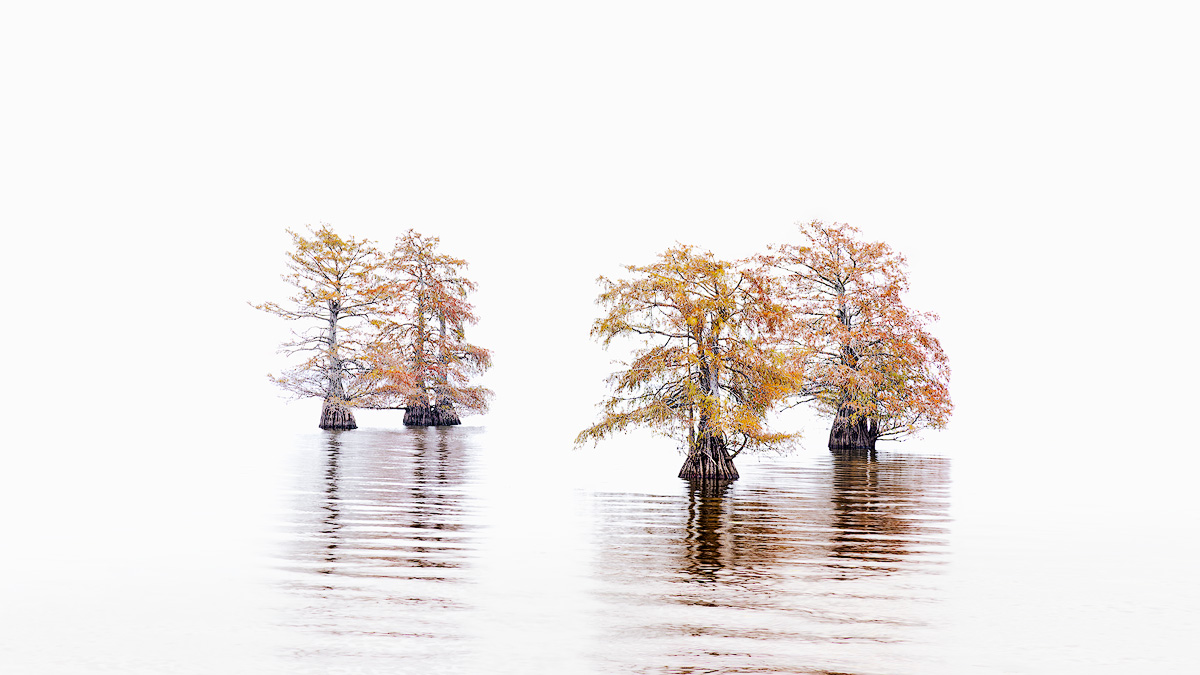
Studying the work of photographers you admire—both contemporary artists and historical masters—feeds your creative well and provides endless photography inspiration. For more on staying inspired and sharpening your skills, see our recent article on photography motivation and techniques.
Follow landscape photographers and nature photographers whose work resonates with you. Not to copy their style, but to understand their choices. How do they handle light? What makes their compositions work? How do they approach familiar subjects in fresh ways?
Look beyond photography too. Painters understood light and composition long before cameras existed. Filmmakers know how to tell visual stories. Musicians understand rhythm and mood. All of these can inform how you see and what you create. Engaging in drawing or sketching can also help photographers develop a stronger artistic eye, enhance composition skills, and stay inspired throughout their creative journey.
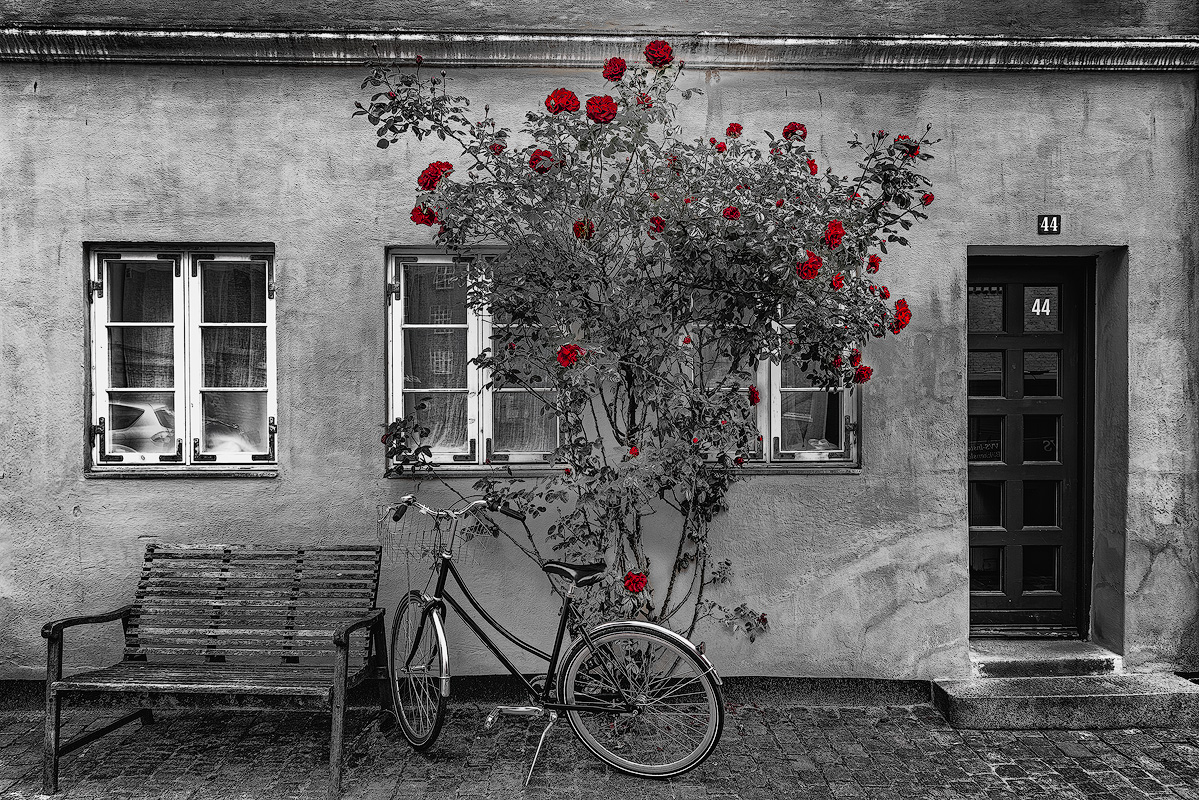
Visit galleries when you can. Read photography books. Watch documentaries about photographers and their processes. The goal isn’t to absorb so much that you lose your own voice—it’s to keep your creative reservoir full so you always have something to draw from when you need photography inspiration.
Building Habits and Routine for Consistent Creativity
Sustaining the fire that drives photographic vision requires something more deliberate than waiting for inspiration to strike—it demands the patient cultivation of rhythm, like morning light returning to familiar peaks. When you carve out sacred hours each week to walk with your camera, even through ordinary neighborhoods transformed by slanted afternoon sun, something shifts in how creativity moves through you. Photography becomes less about hunting perfect moments and more about staying present to the light that's always changing around us. Always.
True creative rhythm extends far beyond the act of capturing frames; it encompasses the quiet hours spent absorbing new ways of seeing, experimenting with techniques that stretch your vision, exploring ideas that haven't yet found their voice through your lens. This might mean studying how masters handled backlighting in misty forests, or pushing your camera into unfamiliar territory—long exposures of moving water, intimate macro work revealing hidden textures. When these explorations become woven into your weekly practice, your perspective doesn't just evolve. It transforms.
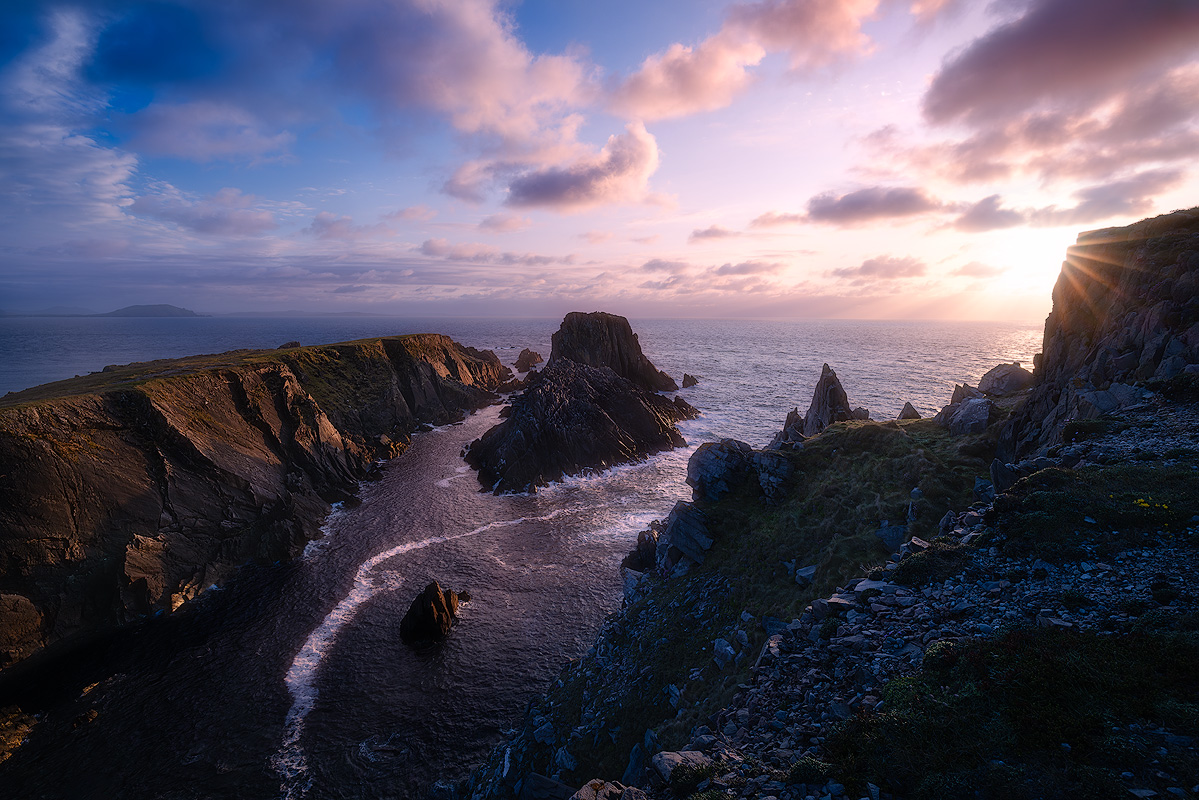
Regular communion with your craft reveals something profound: your unique way of translating the world through light and shadow begins to emerge. Even when the process feels like wandering through creative fog, when frames disappoint and breakthroughs seem distant, maintaining that sacred rhythm nurtures growth in ways you can't immediately see. Because authentic vision doesn't arrive through sporadic bursts of activity—it develops through the patient, consistent practice of showing up with your camera, again and again, trusting that creativity thrives not in perfection but in presence.
Mastering One Thing at a Time to Deepen Your Skills
When it comes to growing as a photographer, sometimes the most profound approach centers on mastering one specific craft with absolute precision. Whether you're learning to capture the interplay of morning mist against weathered granite in alpine landscapes, discovering how late afternoon window light sculpts the geometry of human emotion in portraits, or perfecting the delicate dance between shallow depth and tack-sharp focus, dedicating your creative energy to a singular pursuit allows you to develop genuine understanding. Not surface knowledge. Deep comprehension that shows in every frame.
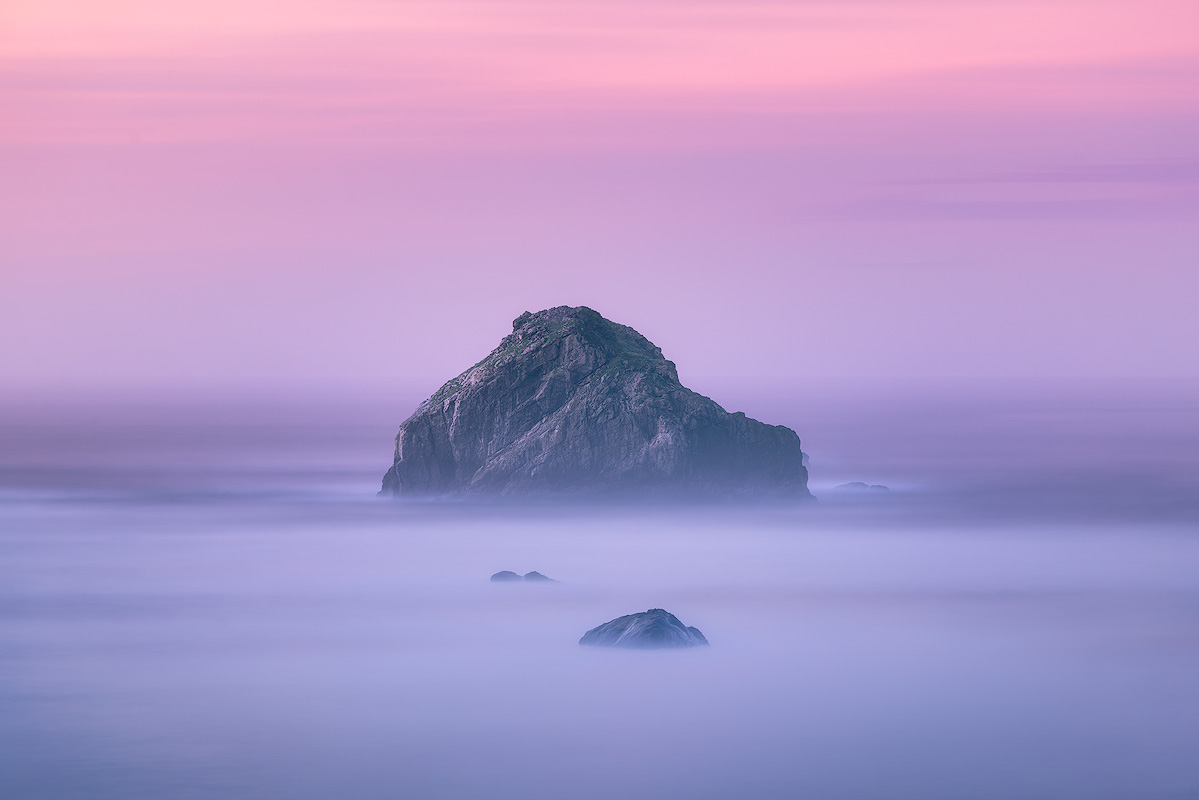
This process demands both technical rigor and emotional investment, but the transformation it brings feels almost alchemical. By narrowing your focus to one specific challenge, you create space for true experimentation—those quiet hours when you shoot the same subject with different approaches, when you embrace the frames that don't work because they're teaching you something essential. Over time, you'll witness your images developing genuine voice, your perspective becoming more deliberate and personal. Each mastered technique becomes another layer in your visual vocabulary, another tool for translating the world as you experience it into something others can feel.
Don't expect linear progress—technical growth unfolds in sudden leaps followed by long plateaus where nothing seems to change. Celebrate when you finally nail that tricky backlighting technique, when you capture genuine expression instead of forced smiles, when your landscape compositions start feeling inevitable rather than constructed. Every breakthrough, however small, builds toward something larger: a body of work that carries your unique way of seeing, images that couldn't have been made by anyone else standing in that exact spot with that same light.
The Power of Focus: Sharpening Your Creative Vision
Focus transcends mere technical dial-turning on your camera body—it becomes the bedrock beneath every frame that stops viewers cold, makes them lean closer. When you approach each scene with crystalline intent about what pulls at you, you slice through the visual chaos that drowns weaker images. This clarity births photographs that pulse with technical precision and raw emotional truth.
Creative vision doesn't bloom overnight like morning light hitting canyon walls. It unfolds slowly. Patiently. Through countless pre-dawn drives to locations that might deliver nothing, through afternoons when inspiration feels as distant as mountain peaks shrouded in storm clouds. Those barren creative stretches? They're not obstacles—they're thresholds. I've stood in places like Caddo Lake at golden hour, camera ready, feeling absolutely nothing. Then shifted three steps left, caught cypress roots disappearing into mirror-black water, and suddenly saw the frame that had been waiting. The block becomes the breakthrough.
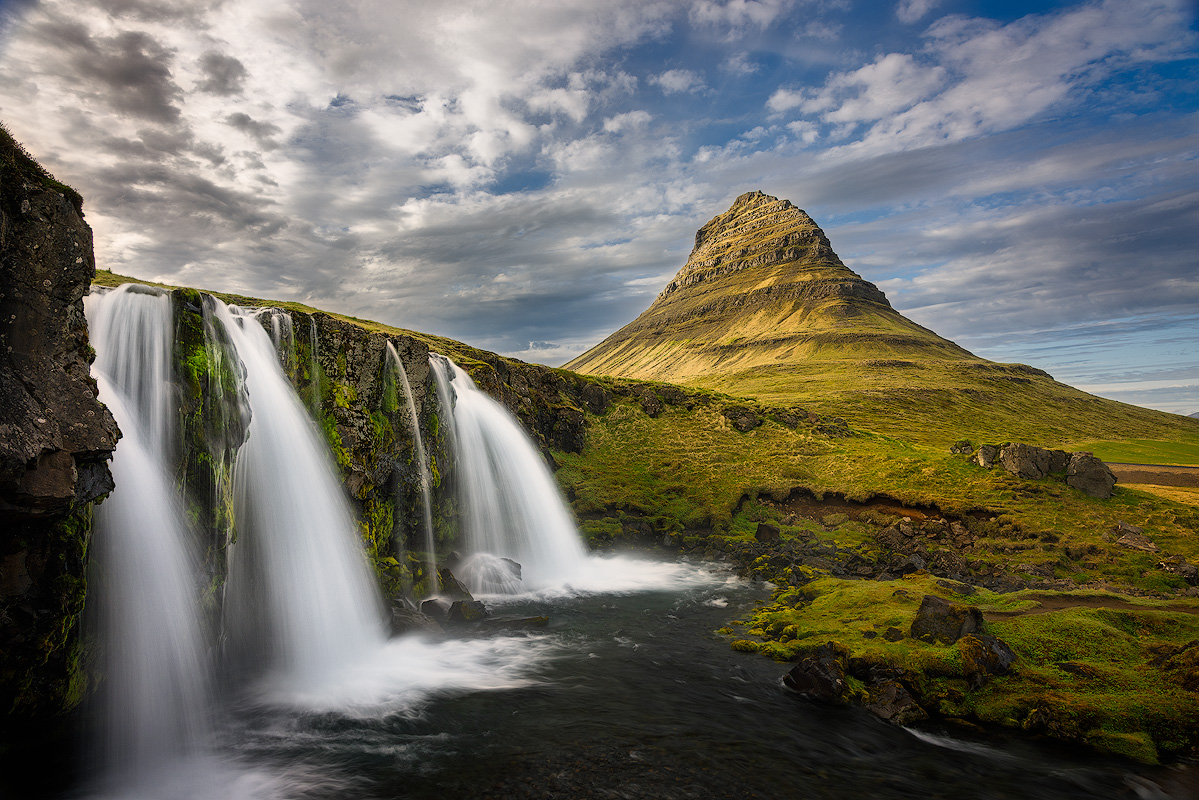
Photography thrives when story and light converge into something that makes strangers pause, really look, feel what you felt standing there. Not "nice sunset" but that specific moment when low-angle light transforms familiar driftwood into sculptural forms against pewter sky. Not "good composition" but the precise instant when moving clouds create windows of illumination that last maybe thirty seconds. The photographers whose work lingers in memory—they balance technical mastery with that willingness to be moved, to let a place reshape their seeing.
Sharp creative focus comes from interrogating your own reactions in real time. Standing before weathered barn wood or frost-covered grasses, asking what draws your eye, what story pulses beneath surface beauty. What specific quality of light makes this moment unrepeatable? Through workshops in locations like Norway's Arctic landscape or intimate gatherings beside alpine lakes at a photography workshop, we discover that intentional photography emerges when we learn to see together, to witness how different eyes find different truths in the same sweeping vista. Each time you lift that camera, you choose: will you settle for documenting, or will you transform raw experience into images that ignite something in both maker and viewer?
The Best Time to Take Photos: Harnessing Light and Moo
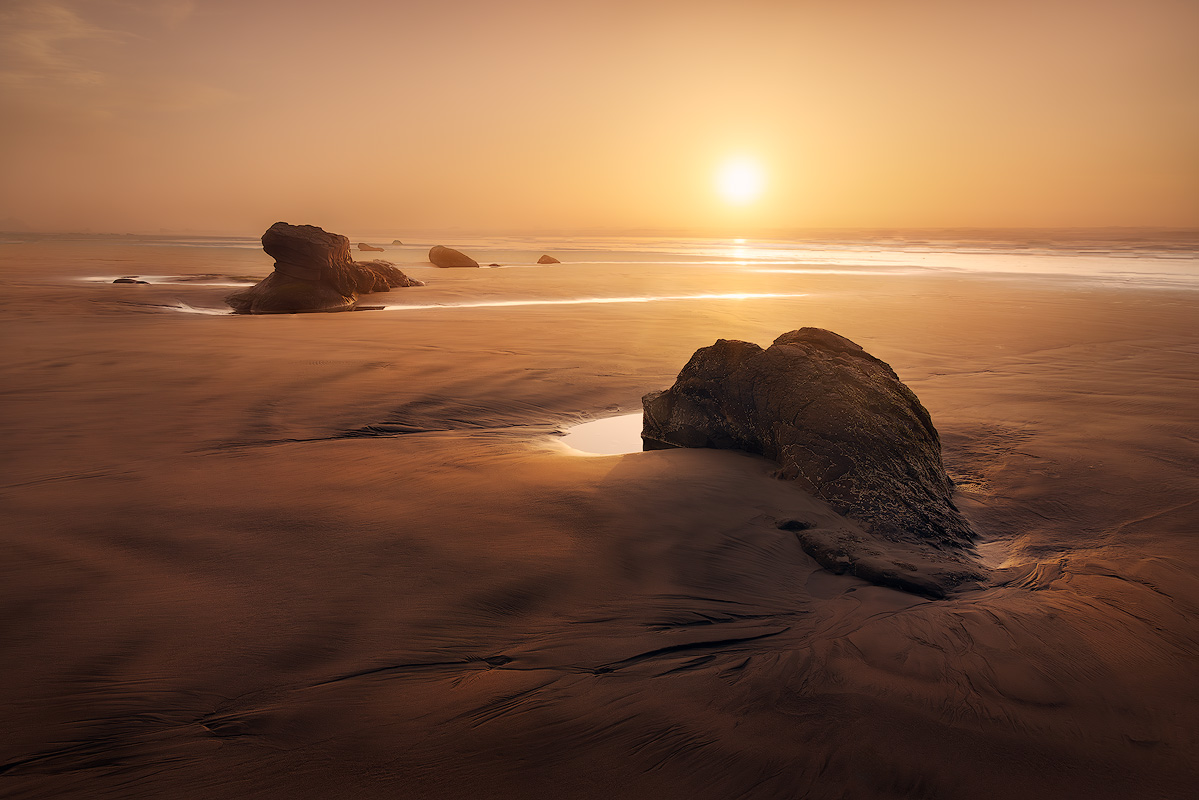
Understanding the precise moments when light transforms ordinary scenes requires both technical awareness and genuine reverence for what unfolds before your lens. The golden hour—that brief window when low-angle sunlight cuts through morning mist or bathes evening landscapes in amber fire—offers more than just favorable exposure settings. This light carves depth into shadows. It ignites color in ways that feel almost impossible to capture, yet demand your complete attention. The warmth doesn't just illuminate; it breathes life into compositions that might otherwise feel static, transforming familiar terrain into something that stops you mid-stride.
Overcast conditions deserve equal respect in your practice. That soft, diffused light wrapping around subjects creates an intimacy that harsh midday sun never achieves—no blown highlights stealing detail from delicate textures, no aggressive shadows cutting subjects in half. The atmosphere becomes gentle. Forgiving. The blue hour brings its own magic entirely, that liminal time when daylight surrenders to darkness and the world takes on an ethereal quality. Cool tones saturate the landscape while artificial lights begin their dance with natural illumination, creating moments that feel suspended between day and night.
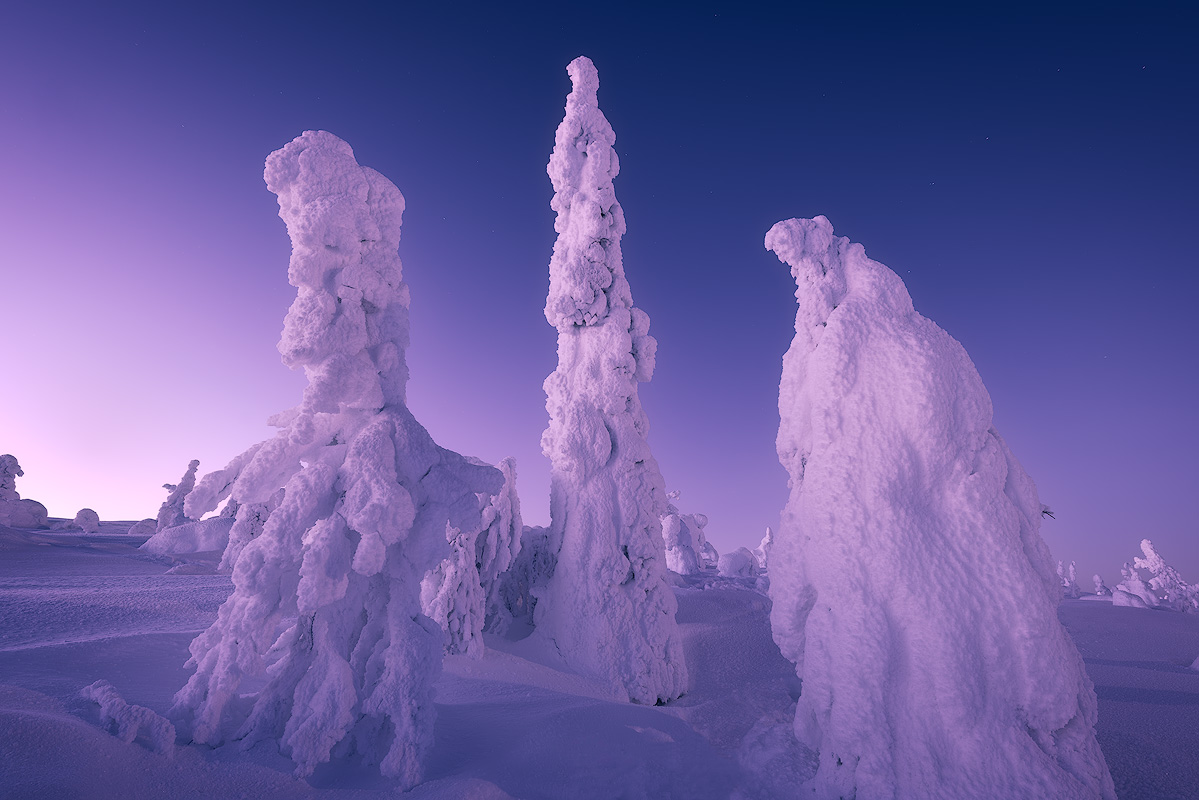
The real discovery comes through deliberate experimentation with these shifting conditions. Each lighting scenario demands different technical approaches, yes, but more importantly, each one reveals different emotional truths about your subjects. Watch how morning light in dense forest differs from evening light across open meadows. Feel the difference. When you learn to recognize these subtle shifts and respond to them instinctively, your images begin telling stories that resonate beyond simple documentation. Trust your instincts about what moves you in these moments—that genuine response often produces the most compelling photographs.
Avoid Photographer Burnout by Taking Breaks
Here’s something that took me years to learn: pushing through creative fatigue doesn’t work. When photography starts feeling like an obligation instead of a joy, forcing yourself to keep shooting usually makes photographer burnout worse.
Take breaks when you need them. Put the camera down for a week—or a month—and do something completely different. Hike without photographing. Travel without documenting. Let your eyes rest and your mind wander.
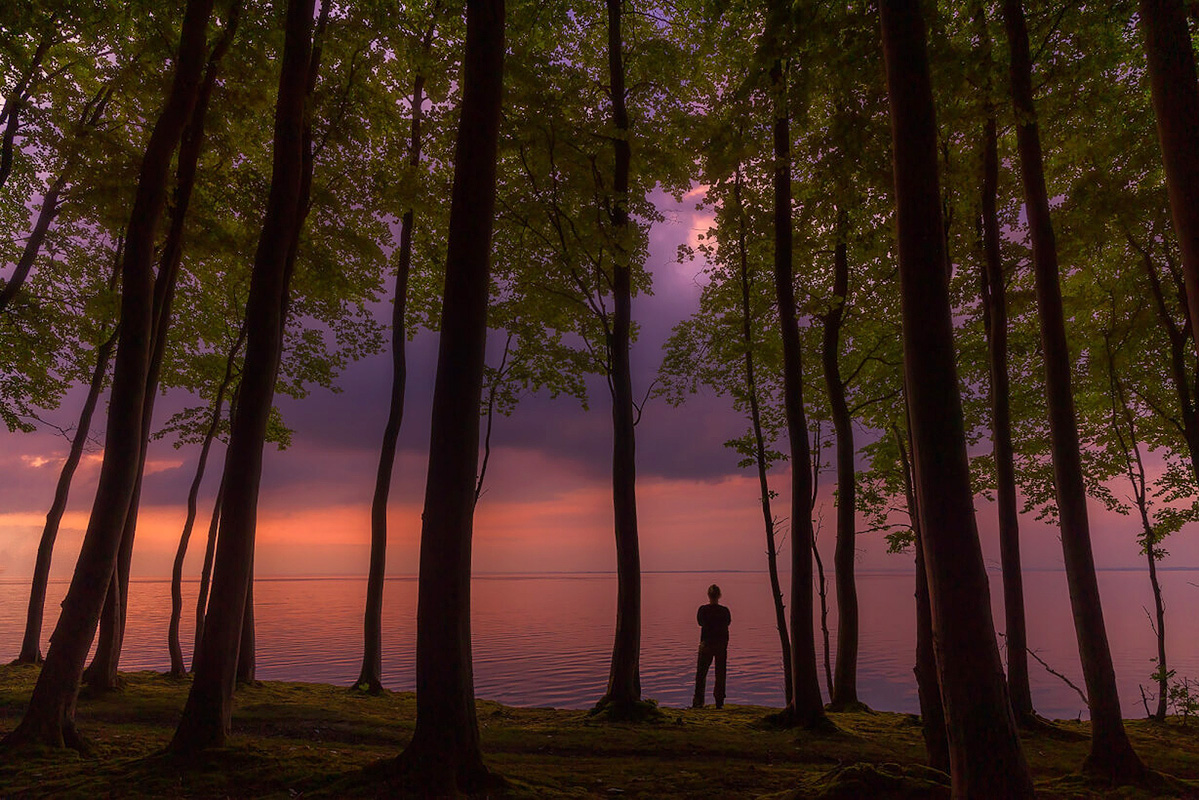
What often happens during these breaks is that you start noticing things again. Simply sitting and observing your surroundings can spark new photographic ideas—sometimes, just being still allows you to notice inspiring light or spontaneous moments you might have missed. Spending time with family or noticing family moments can also inspire new photographic ideas or complement your photographic experiences. Light falling across a room. Colors you’d stopped seeing. Moments that would make compelling images. The desire to capture them returns naturally, and when you pick up your camera again, you’re actually excited to use it.
Photographer burnout is real, and it’s preventable. Recognizing when you need rest isn’t weakness—it’s wisdom. Taking care of your creative well-being is just as important as improving your technical skills.
Never Stop Learning: Photography Courses and Workshops
The photographers I know who stay motivated over decades share one trait: they never stop learning.
Invest in your growth through photography courses, landscape photography workshops, online tutorials, and books. Enrolling in a course can provide structured learning and motivation, helping you develop both technical and artistic skills under the guidance of experienced photographers. Not just technical skills—though those matter—but also the creative and conceptual sides of the craft. Learn about composition theory. Study color. Understand what makes images resonate emotionally.
Continuous learning keeps you engaged because there’s always something new to explore. The moment you think you’ve figured it all out is the moment photography starts getting stale. Stay curious. Stay humble. Keep asking questions.
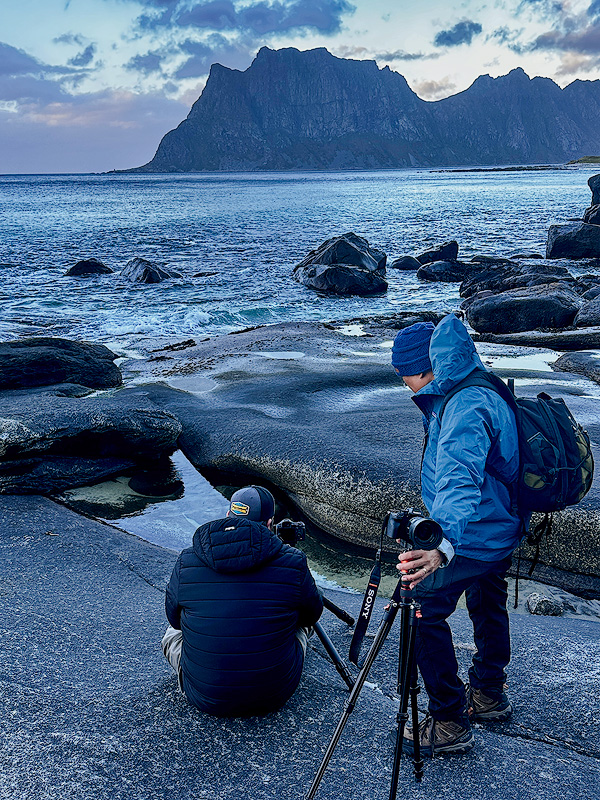
Attending an outdoor photography workshop with other photographers can be especially powerful. You learn from the instructor, certainly, but you also learn from watching how others approach the same scenes and subjects. Different eyes see different things, and exposure to those perspectives expands your own and provides fresh photography inspiration. Think of your photography journey as being in school—education is ongoing, and every new experience is another lesson that helps you grow.
Celebrate Your Progress and Build Your Photography Portfolio
It’s easy to focus on what you haven’t achieved yet and forget how far you’ve come. That mindset is a photography motivation killer.
Periodically look back at your older work. Reviewing your pictures from different stages of your journey can highlight your growth and inspire further progress. Compare images from a year ago, two years ago, five years ago. The improvement is usually more dramatic than you realized. Those incremental gains—better compositions, more confident exposures, stronger editing—add up over time as you continue to improve your photography skills.
Keep a photography portfolio of your best work and update it regularly. Not just for showing others, but for yourself. Seeing your strongest images collected together reminds you what you’re capable of when everything comes together. Consider displaying your work as fine art prints or in a gallery—there’s something powerful about seeing your images printed and presented professionally.
Celebrate the small wins too. A composition that finally clicked. A technical challenge you overcame. A moment you captured that you’d been chasing for months. These victories matter, and acknowledging them builds the confidence that sustains motivation through harder stretches.
Keep a Photography Journal to Track Your Creative Journey
Documenting your journey creates a record you can return to when photography motivation flags.
Write down your photography goals and revisit them periodically. Note what you learned from shoots that went well and shoots that didn’t. Record ideas for future projects, locations you want to explore, techniques you want to try.
A photography journal also captures the context around your images—the conditions, the challenges, the feelings you had in the moment. Make a habit of noting what unexpected things happen during your shoots and how these surprises influence your creative process. Months or years later, reading those entries reconnects you with why you started photographing in the first place and can pull you out of creative block.
Some photographers keep visual journals, collecting images that inspire them alongside their own work in progress. Others prefer written reflections. The format matters less than the habit. Regular documentation creates a conversation with yourself about your craft, and that conversation keeps your passion for photography alive.
Dealing with Frustration and Self-Doubt as a Photographer
Every photographer—from those just discovering the weight of their first camera to masters who’ve watched countless dawns break over distant peaks—encounters those moments when the creative well runs dry. When morning light fails to ignite inspiration. When compositions feel forced, mechanical. These periods of doubt aren’t flaws in your artistic journey; they’re the necessary shadows that give depth to eventual breakthroughs. Motivation can be frustrating at times, and feeling frustrated is a common and natural part of the creative process.
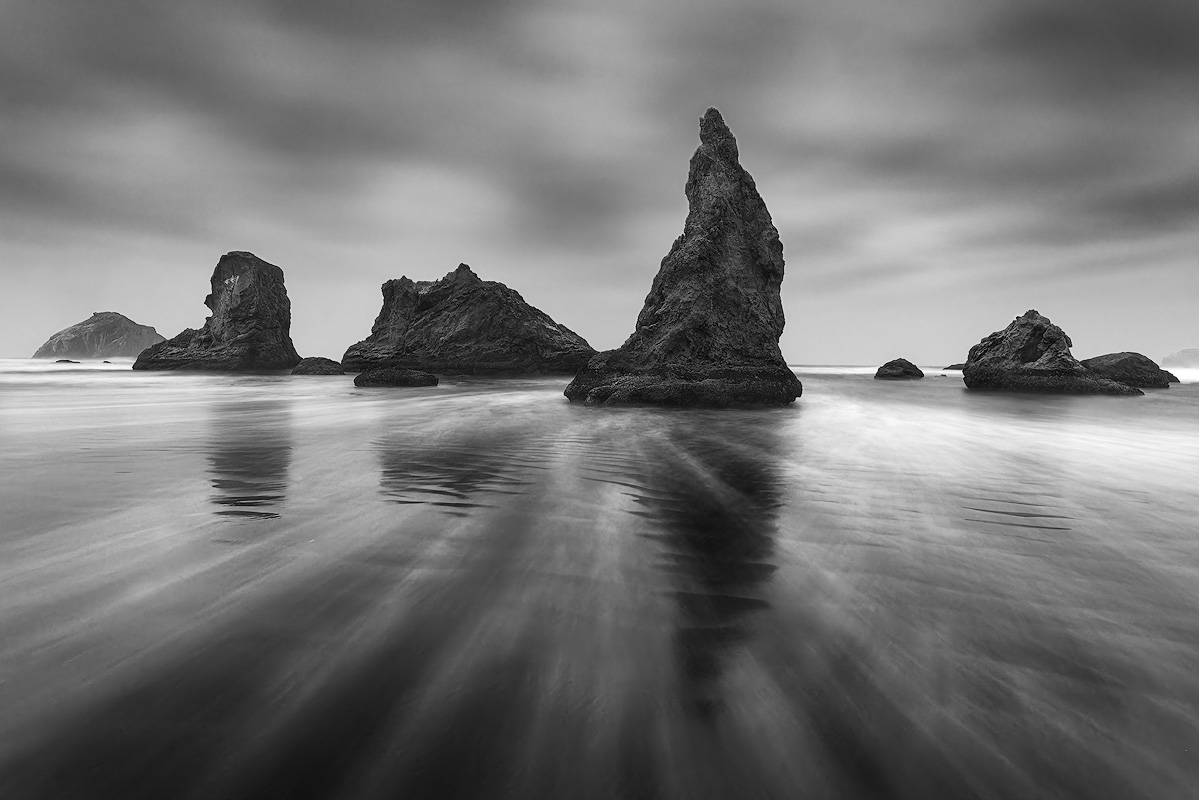
When frustration settles like heavy mist across your vision, step away from the viewfinder and remember that meaningful photography emerges from patient observation, not forced creation. Each failed attempt teaches your eye something new about light, about timing, about the delicate relationship between intention and spontaneity. Seek conversation with fellow image-makers—not for validation, but for the fresh perspective that comes when another photographer describes how they see your work. Sometimes a single observation can crack open entirely new ways of seeing.
Understand this: even photographers whose images seem to capture pure magic have days when nothing clicks. Literally. Nothing. The camera feels foreign in their hands, compositions collapse under scrutiny, and the world appears stubbornly ordinary. But they continue. They take deliberate breaks when the work demands it, but they return. They trust that each challenge overcome—whether technical, creative, or deeply personal—builds the foundation for images that couldn’t exist without that struggle. By embracing both the exhilarating moments when everything aligns and the grinding periods when nothing does, you develop the resilience to create photographs that reveal not just what you saw, but how it felt to stand there, camera ready, when the light finally changed everything.
Photography Quotes and Inspiration to Spark Your Creativity
Sometimes, what pulls you back to the camera is a single phrase from someone who has stood where you stand—watching light transform ordinary stone into something luminous, feeling that familiar tightness in your chest when a moment demands to be captured. Words from master photographers carry weight because they emerge from the same silent communion with light and shadow that draws you to remote lakeshores at dawn, waiting for mist to lift from still water.
Authentic inspiration arrives unexpectedly—in the way low-angle winter light cuts across weathered bark, in how evening fog moves through mountain valleys like a living thing, in the precise moment when storm clouds break to reveal distant peaks bathed in amber. The secret lies in remaining present to these encounters. Let them flood your senses completely. Photography becomes transformation when you stop hunting for images and start witnessing them.Your camera becomes an extension of how you see, each frame a testament to standing fully present in that specific place, under those exact conditions of light and weather.
This pursuit unfolds as continuous discovery rather than destination reached. Embrace the uncertainty of new locations—the way morning light behaves differently in arctic landscapes versus desert canyons. Study how other photographers translate what moves them into images that breathe with authentic feeling. Take calculated risks. Push into unfamiliar territory. Sometimes your most powerful photographs emerge when you abandon safe compositions and trust the moment completely.
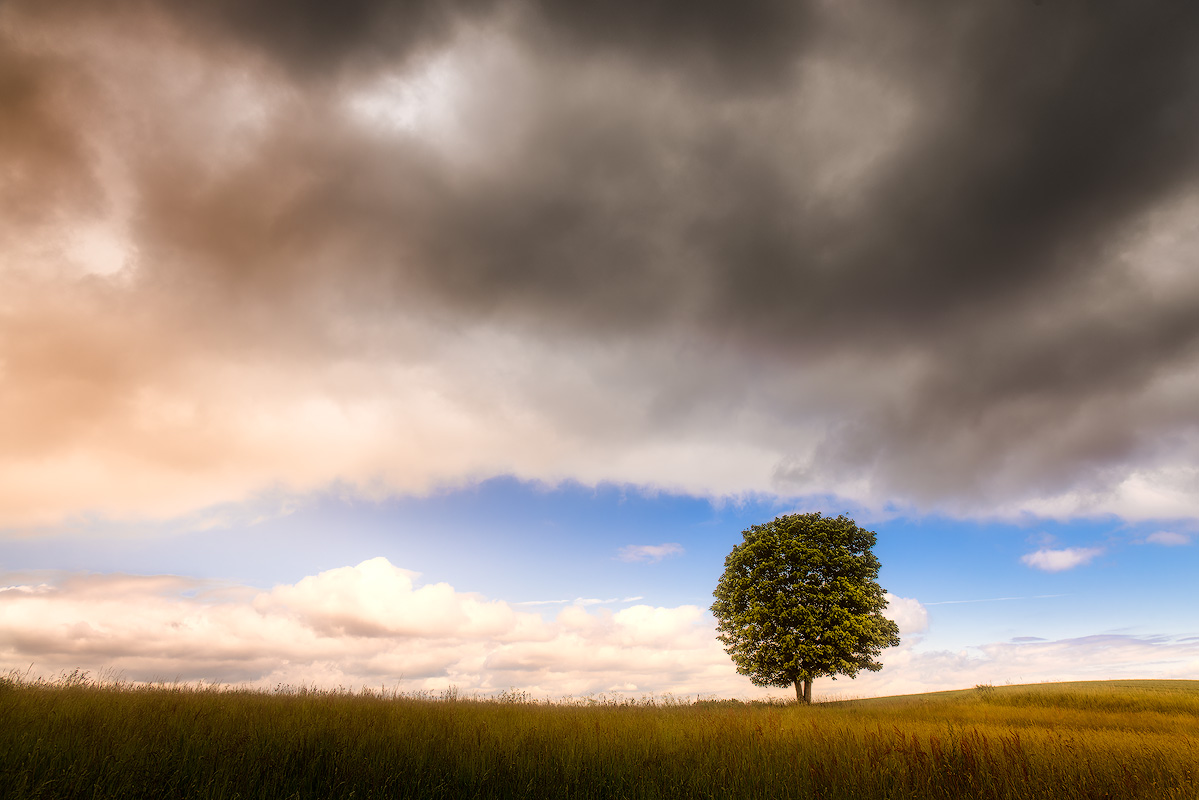
The voices that matter most understand this deeper current:
- "You don't take a photograph, you make it." – Ansel Adams
- "The best thing about a picture is that it never changes, even when the people in it do." – Andy Warhol
- "Photography is the story I fail to put into words." – Destin Sparks
- "To me, photography is an art of observation. It's about finding something interesting in an ordinary place." – Elliott Erwitt
These words echo what every photographer discovers eventually—that the world pulses with stories waiting to be witnessed. Through sustained practice and willingness to remain eternally curious, you move beyond mere technical execution into something that matters. So lift your camera. Stop obsessing over flawless results. Trust the process completely—your next profound image waits in the subtle interplay of light and form that surrounds you right now.
The Long Game: Maintaining Your Photography Motivation
Staying motivated as a photographer isn’t about maintaining constant enthusiasm—that’s not realistic. It’s about building habits and systems that carry you through the inevitable low points and help you overcome creative block when it strikes.
Set goals that give you direction. Explore new techniques that keep things fresh. One of the most effective ways to keep growing is to revisit the fundamentals through a sharper lens — my guide on how to improve your landscape photography covers the techniques that compound over time. Connect with an outdoor photography community that understands your passion. Take on personal projects that matter to you. Challenge yourself with constraints that force growth. Study work that provides photography inspiration. Rest when you need it to avoid photographer burnout. Keep learning through photography courses and workshops. Celebrate how far you’ve come. Document your journey. Remember, you don’t need to spend a lot of money on expensive gear or travel to stay motivated—sometimes the best inspiration is found close to home.
Every photographer—beginner photographer and professional photographer alike—experiences moments of doubt and creative fatigue. If the technical side feels overwhelming, start with my field guide for beginning landscape photographers — it breaks the learning curve into manageable steps.
But with persistence and a proactive approach, those moments become temporary dips rather than permanent departures. As Edison famously said, genius is one percent inspiration and ninety-nine percent perspiration—the same applies to photography: hard work and perseverance are key to finding inspiration. If you find yourself distracted or comparing your work to others, try logging off social media on your computer to avoid the noise and focus on genuine enjoyment. Sometimes, you just need to stop thinking so much about perfection and enjoy the process, learning from mistakes along the way. And if you’re feeling stuck, a simple, slow photo walk in your neighborhood can be just the ticket to reigniting your photography motivation and discovering new ideas.
The landscapes aren’t going anywhere. The light will keep doing extraordinary things. Nature will keep offering moments worth capturing. Your job is to stay ready—and stay motivated—to be there when it all comes together.
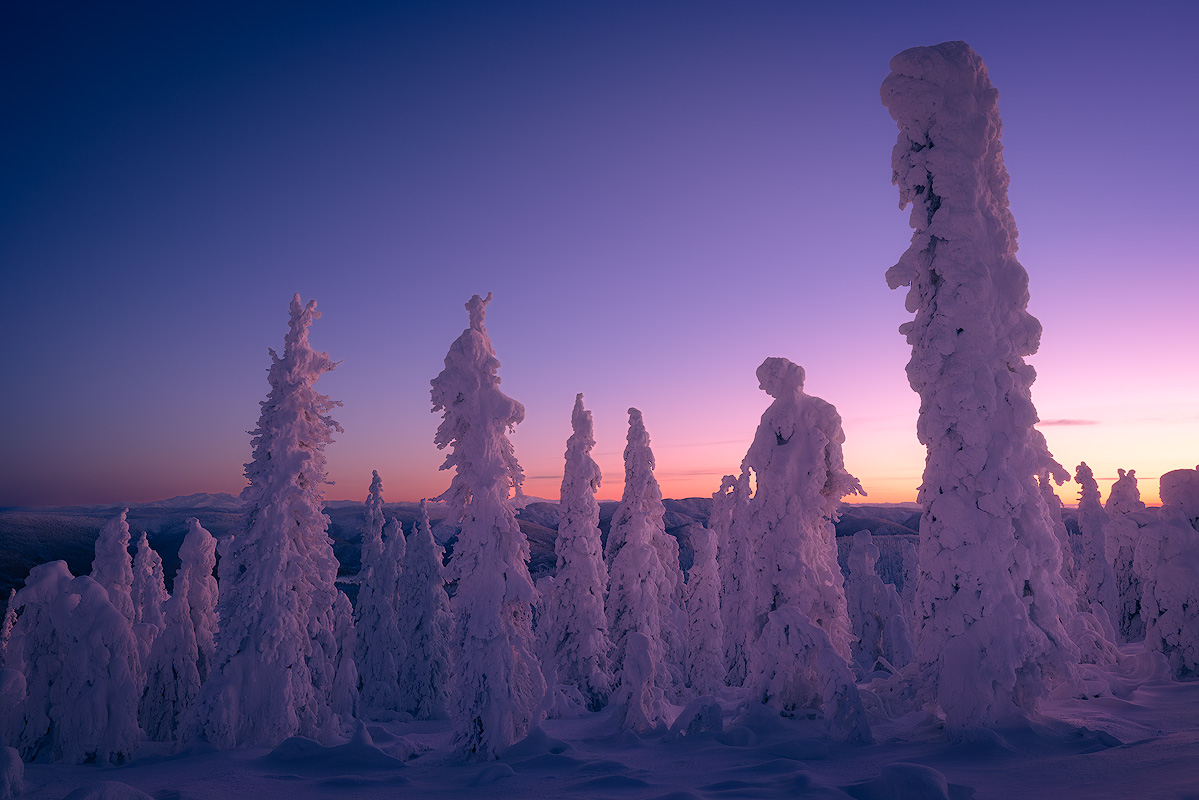
If you’re looking for a creative reset, consider joining one of my landscape photography workshops where you can connect with fellow outdoor photography enthusiasts, explore new techniques, and reignite your passion for photography in stunning natural locations. You can also browse my gallery for photography inspiration.