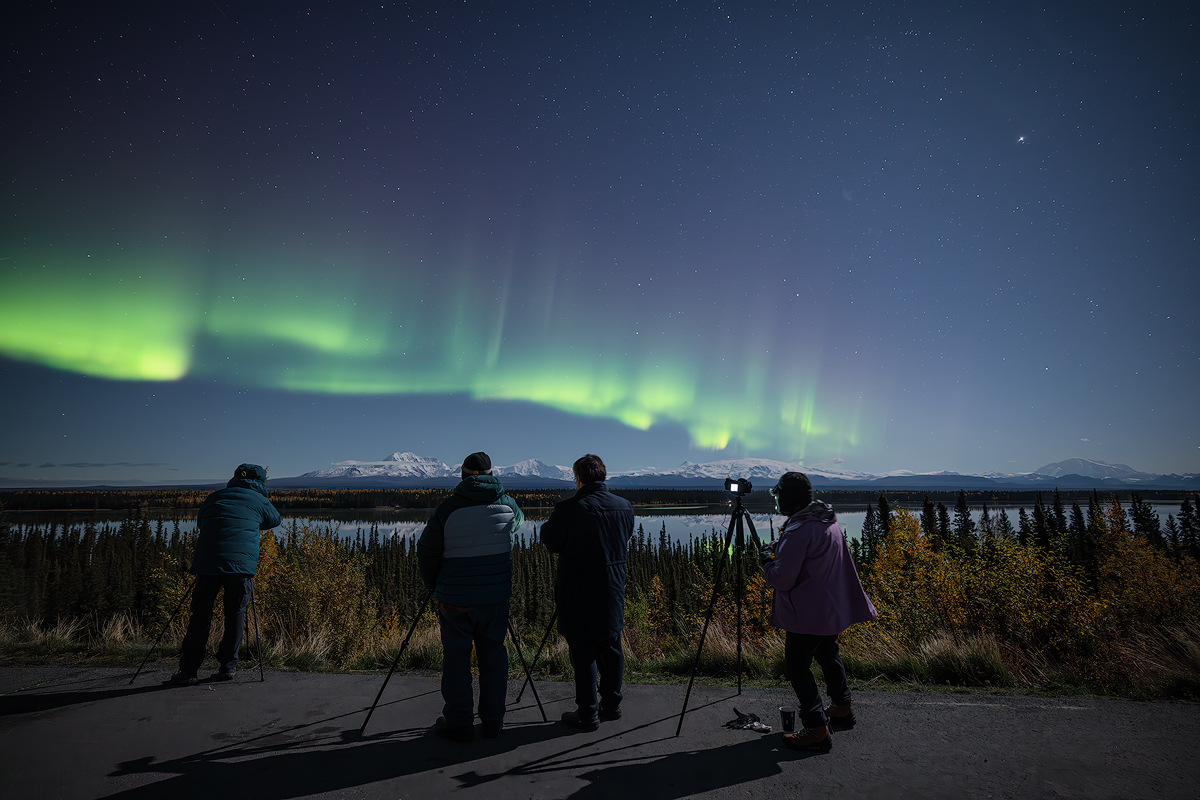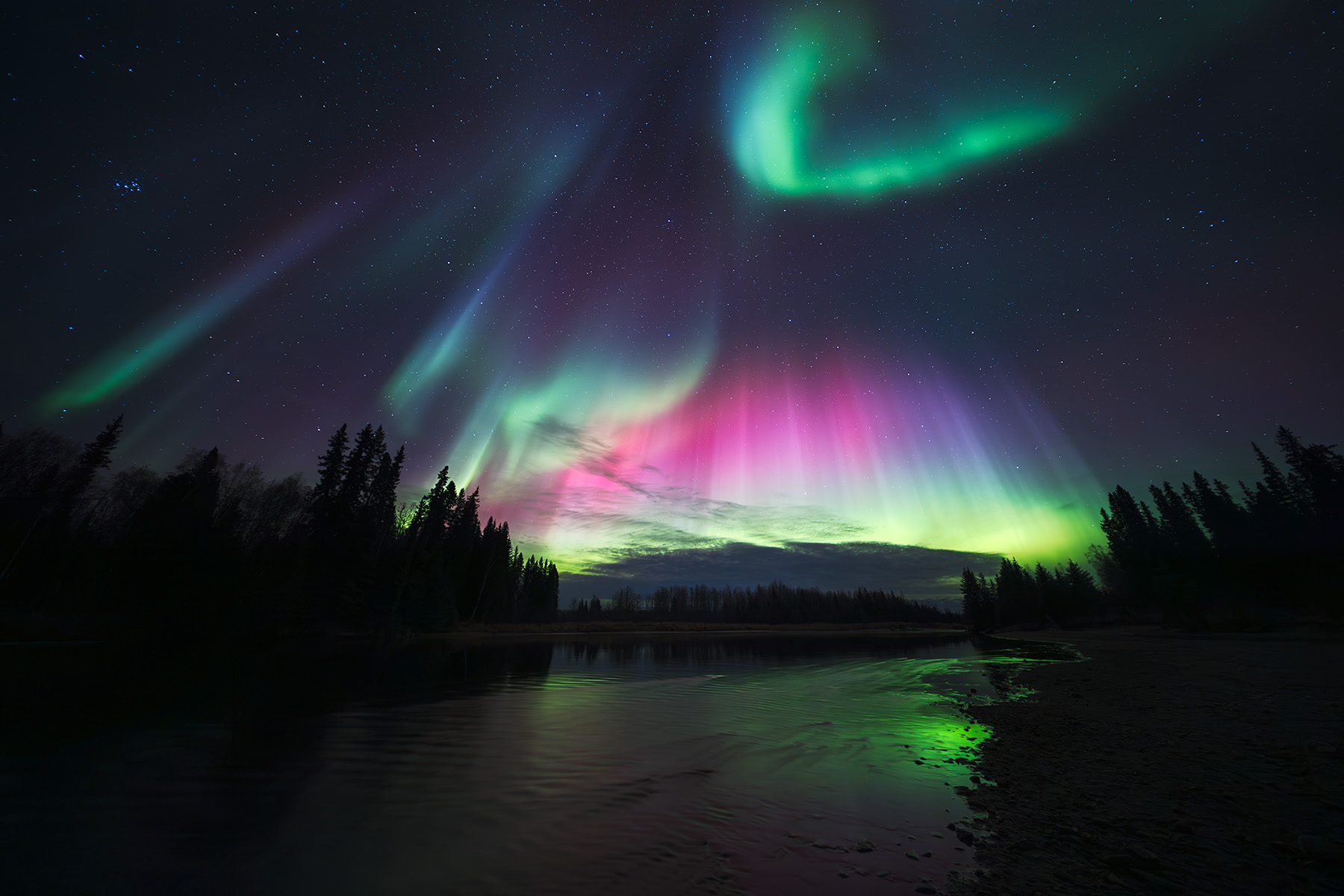
This is a six-night Alaska aurora photography workshop based in Fairbanks, built around the fall equinox of September 19–25, 2027. It's for photographers of any level, from first-timers to experienced shooters, who want to photograph the aurora borealis and come home with images they're proud of. We work directly beneath the aurora oval, where activity is most reliable, in a small group setting of seven, so you get hands-on night sky photography instruction in the field every clear night. Lodging is included: a private seven-bedroom estate in Fairbanks, Alaska where every photographer has their own room, no double occupancy and nothing to book.
The Workshop
$5,000 per person
Alumni rate available
A $1,250 deposit reserves your spot.
Dates September 19–25, 2027 · 6 nights
Group 7 photographers
Lodging Included · private estate, your own room
The Setting
Why Fairbanks Alaska, and why fall
Aurora photography workshops in Alaska primarily operate out of Fairbanks, and for good reason: the city sits directly underneath the aurora oval, the band of near-constant activity that gives you the highest probability of clear, vivid displays.
The prime viewing season for the northern lights in Alaska runs from late August to late April. Peak aurora viewing seasons are September, October, and March, when the equinox months line up with dark, clear nights and geomagnetic activity runs highest, and this workshop sits at the front of that window. September is among the best months of the year for it. Dark nights return after the midnight-sun summer, aurora activity stays strong, and early-autumn weather is far kinder than the deep cold of midwinter.
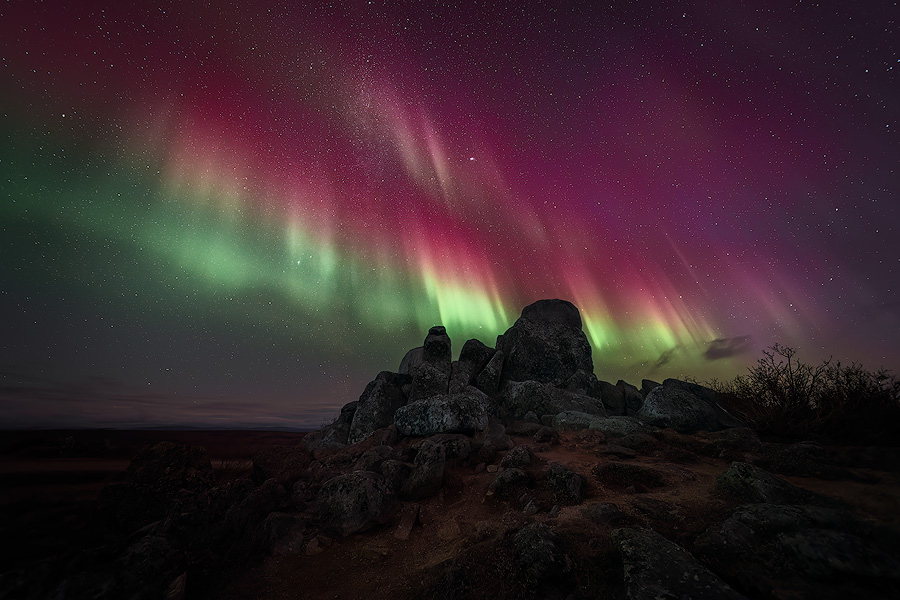
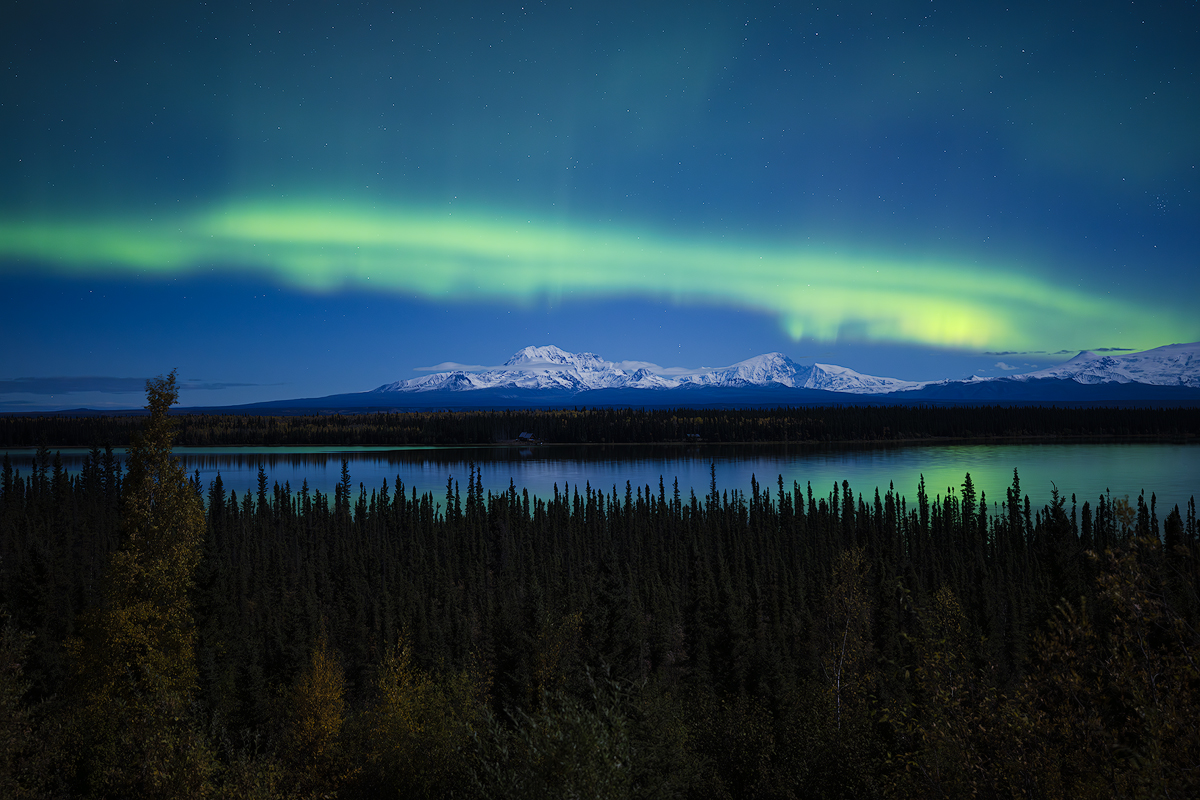
Fall also gives you something March can't: open water. Vibrant fall colors and unfrozen lakes and rivers create pristine aurora reflections in September — the lights overhead and mirrored at your feet, doubling every frame.
On the darker nights we get the faintest aurora and the Milky Way both showing at once, and for foregrounds we light the land ourselves with low-level lighting and light painting, so the landscape reads even under little moonlight.
There's real science behind the timing, too. The Russell–McPherron effect strengthens auroras during the equinox months, when Earth's tilt lines up with the solar wind and geomagnetic activity climbs — which is exactly why this workshop runs straight through the fall equinox on September 23rd.
A note on honesty: the aurora is one of nature's great displays, not a scheduled event, and no one can promise a display on a given night. What I can promise is that we'll be out under dark skies in the best locations every clear night of the trip, giving you the best odds the season offers.
In the Frame
What you'll photograph: aurora borealis, northern lights, and the night sky
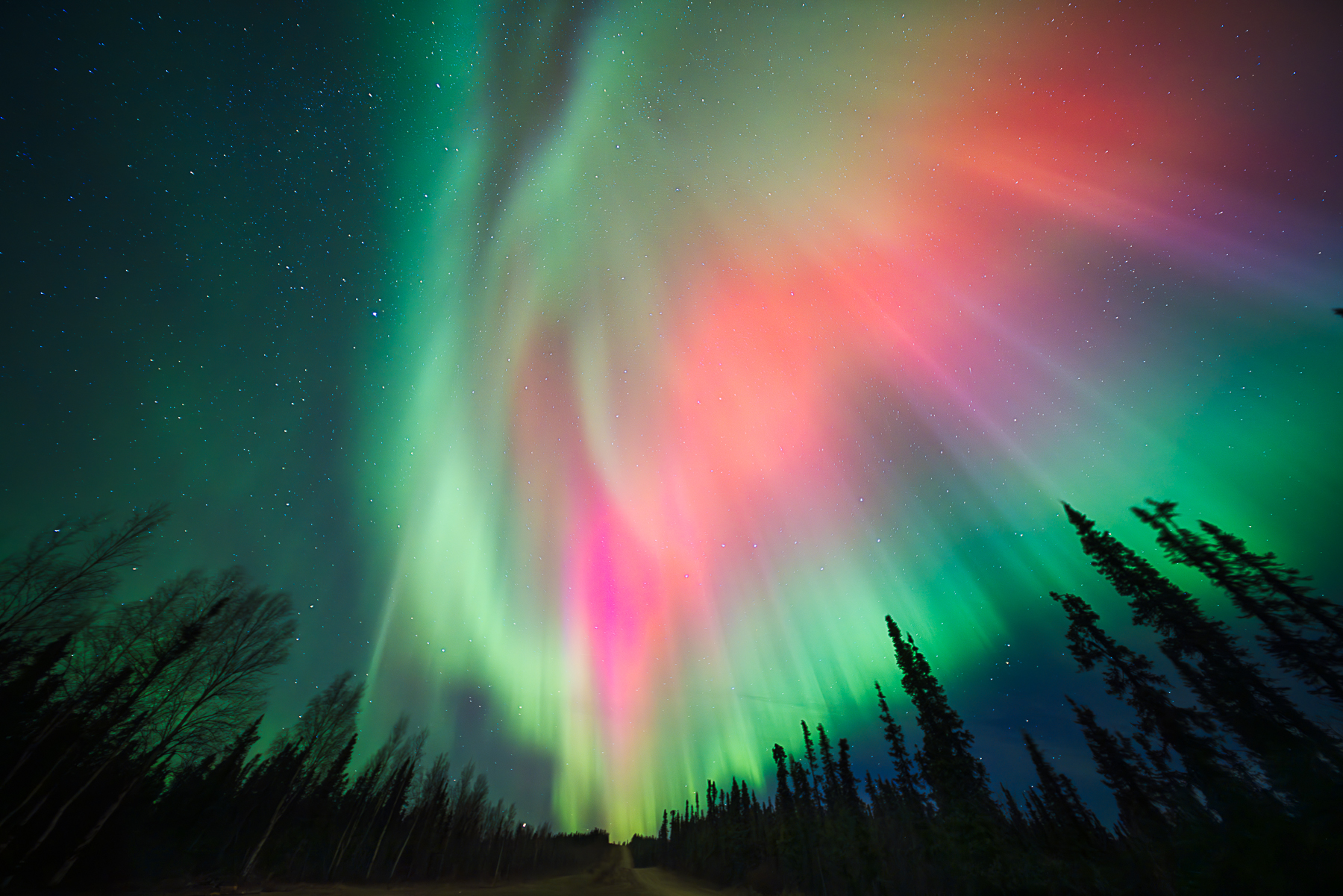
Six nights in the field, across a range of conditions, puts a lot in front of your lens:
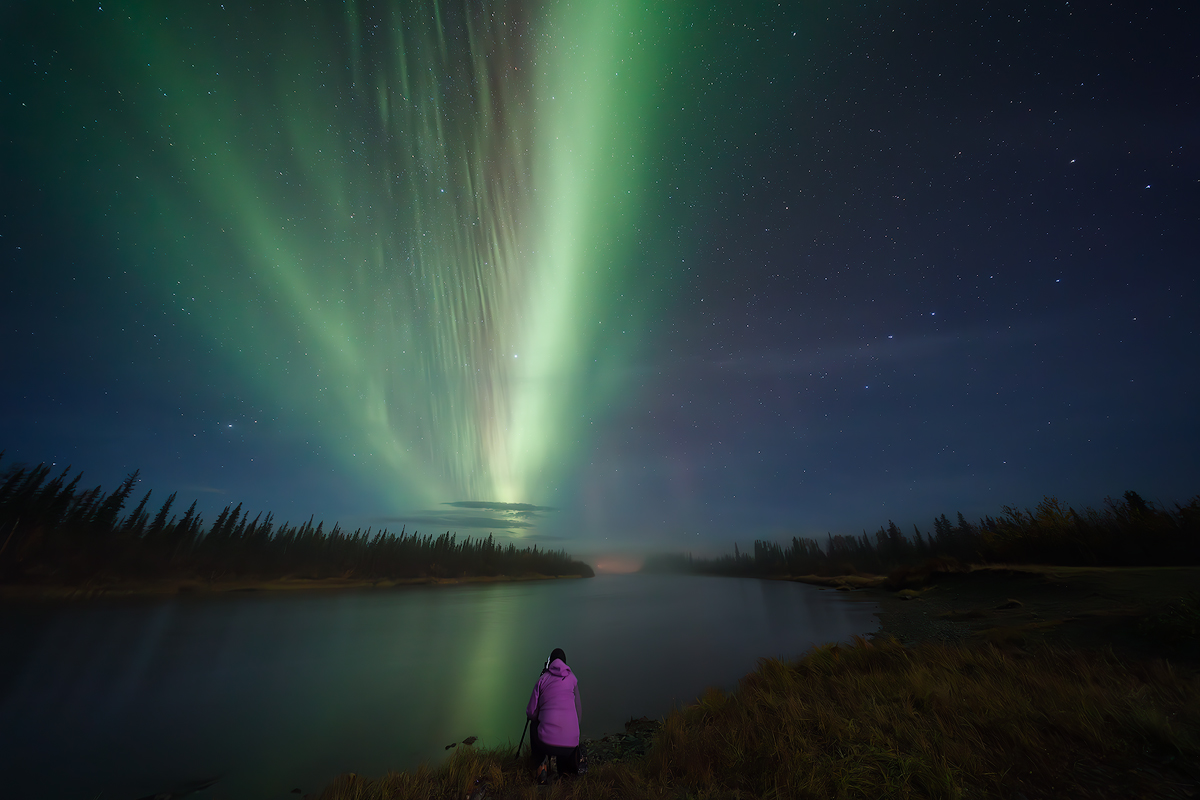
The aurora borealis overhead, from faint green arcs to a full-sky corona
Aurora reflections on still, unfrozen lakes and rivers
Fall color and boreal-forest foregrounds beneath the lights
The Milky Way and a star-dense autumn night sky
Quiet Alaska landscapes well away from city lights and light pollution
The night sky itself, a natural wonder most people never see from under the aurora oval
Compelling foregrounds where we use low-level lighting, light painting, and moonlight to feature the land itself, not just the aurora as the main focus
The Method
How I chase the aurora
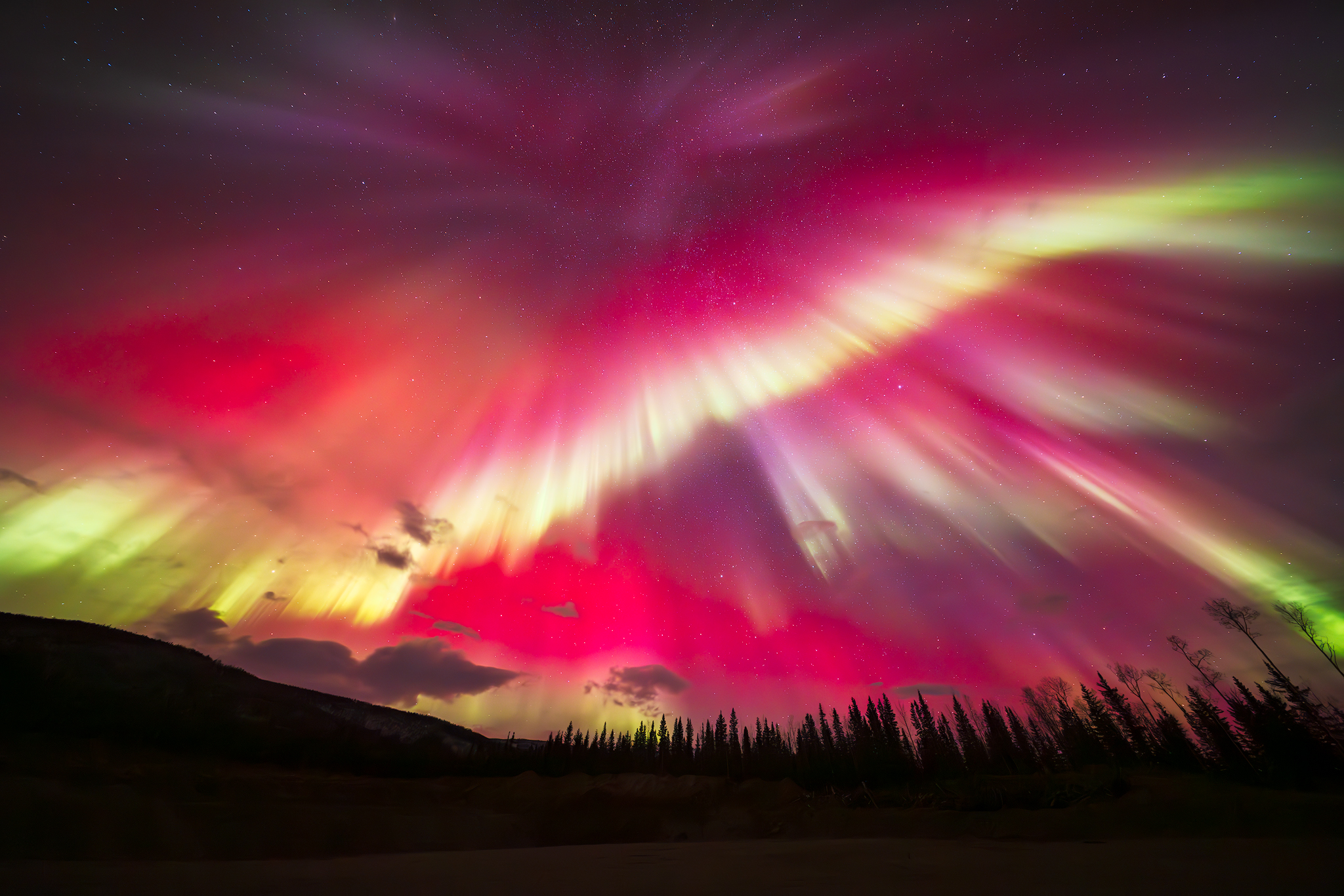
Reading aurora forecasts and weather conditions is half the work — and it's a skill you'll leave with. Each afternoon I read the space weather data, solar wind speed and density against the KP forecast, then weigh it against the cloud picture and decide where we set up. When Fairbanks clouds over, we drive to find a hole in the weather rather than wait it out.
We shoot well outside the city lights, in locations with minimal light pollution, so the aurora reads clean and your images stay sharp and vibrant. Knowing the road network and the best dark-sky shooting locations around the interior is the difference between a clouded-out night and a keeper.
The Rhythm
A night in the field
Aurora work flips your schedule, so plan to sleep when the sky is bright and shoot when it's dark.
Day 1
Arrive in Fairbanks, settle into your own room at the house, gear check, and an evening orientation before our first night out.
Days 2–6
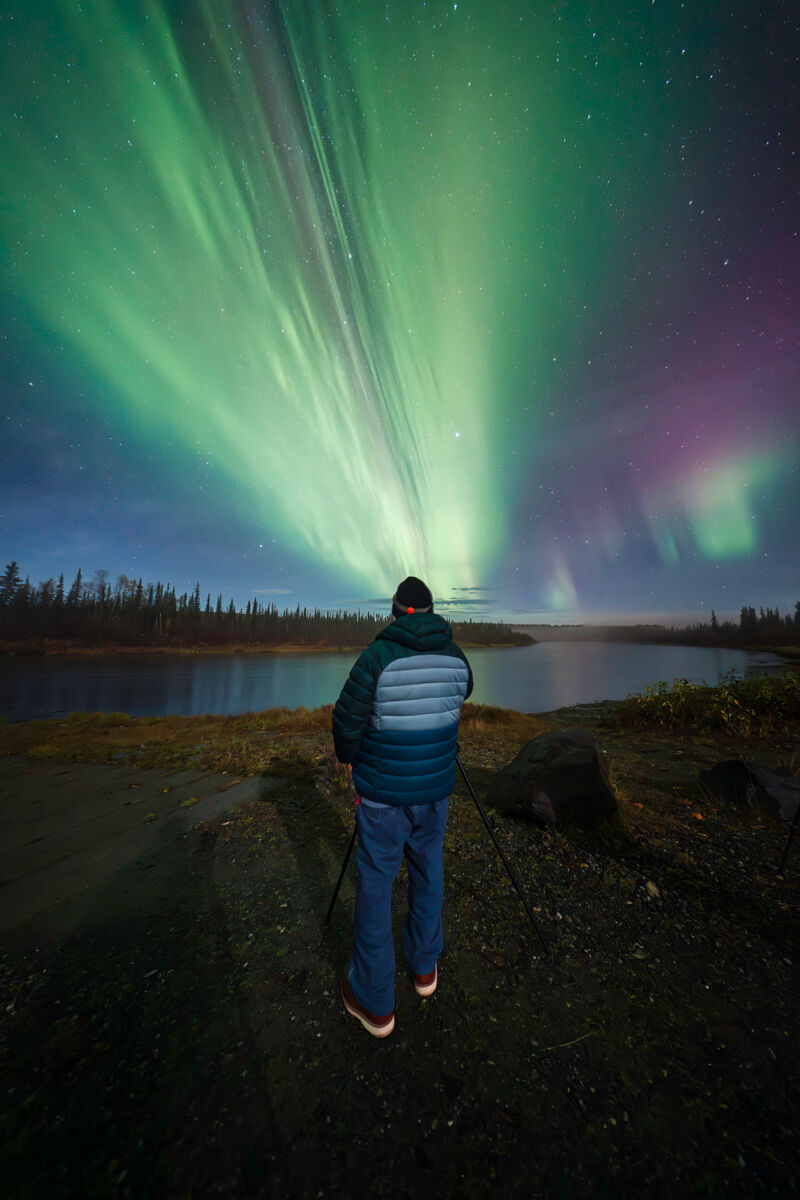
Easy mornings to recover. Afternoons are for image review and instruction back at the house, with optional landscape shooting for anyone with energy. After dark we head out chasing the aurora, often staying out for extended periods until the activity fades.
Day 7
Depart Fairbanks. Book your flight for the evening or later so a strong final night doesn't cost you sleep at the airport.
Born & Raised
Your instructor
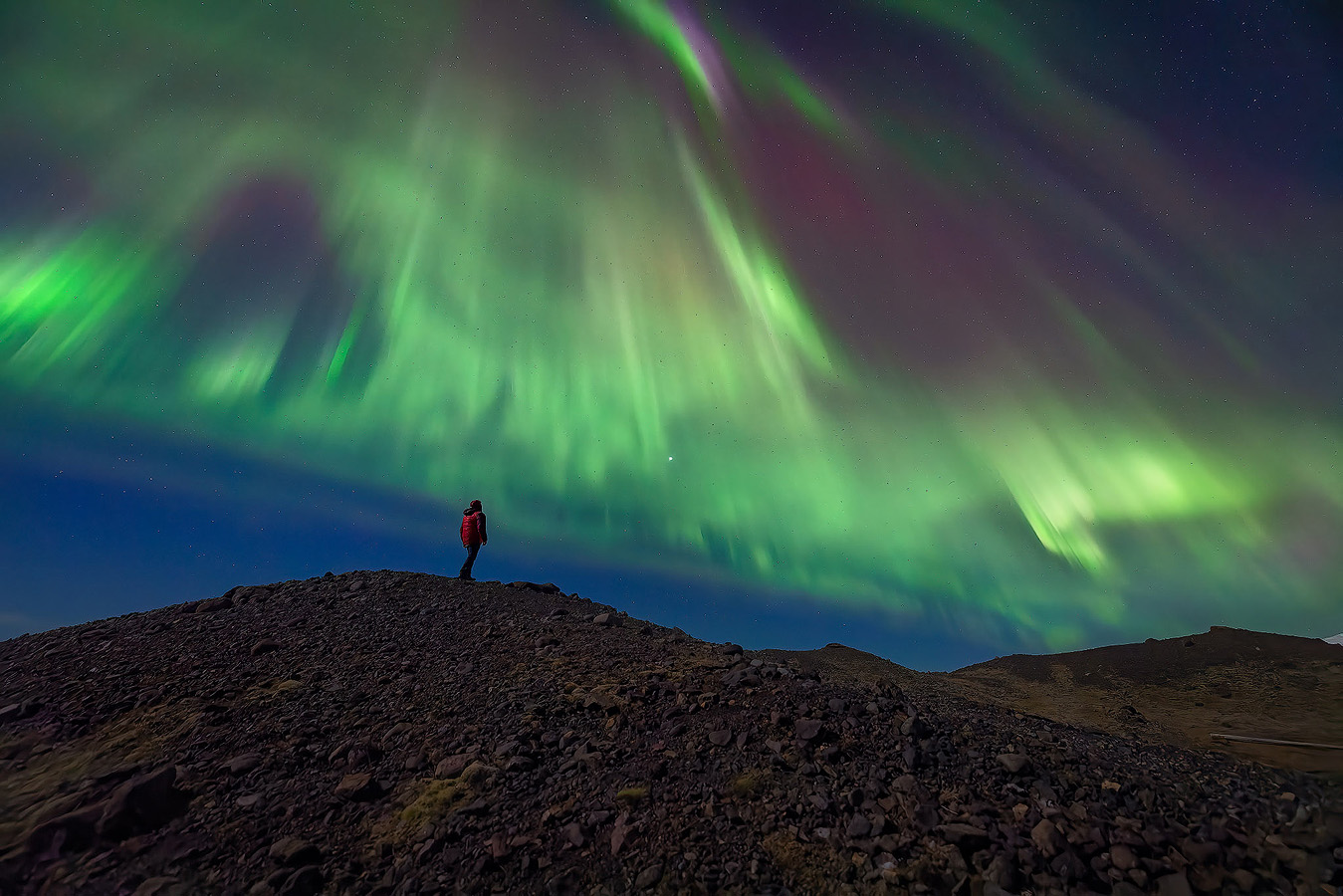
I'm Michael Schultz, born and raised in Alaska. I've photographed across this state for more than twenty years — its mountains, coast, wildlife, and night skies, the aurora among my favorite subjects — and I lead this workshop personally, in the field every night, not from a lodge.
My background is in both shooting and teaching, so I can break complex ideas down for photographers at any skill level. In the field you'll get step-by-step guidance on the camera settings and techniques specific to aurora photography, so you can capture it under whatever conditions the night hands us. Face The Outdoors has been featured in National Geographic, named in its coverage of the Alaska northern lights.
I've guided fall aurora workshops in Alaska before, and I keep the group small on purpose — seven photographers, one bedroom each — so I can work with each of you individually. This is home for me, and there's nowhere I'd rather show someone the northern lights.
Good to Know
Frequently asked questions
Will we definitely see the aurora?
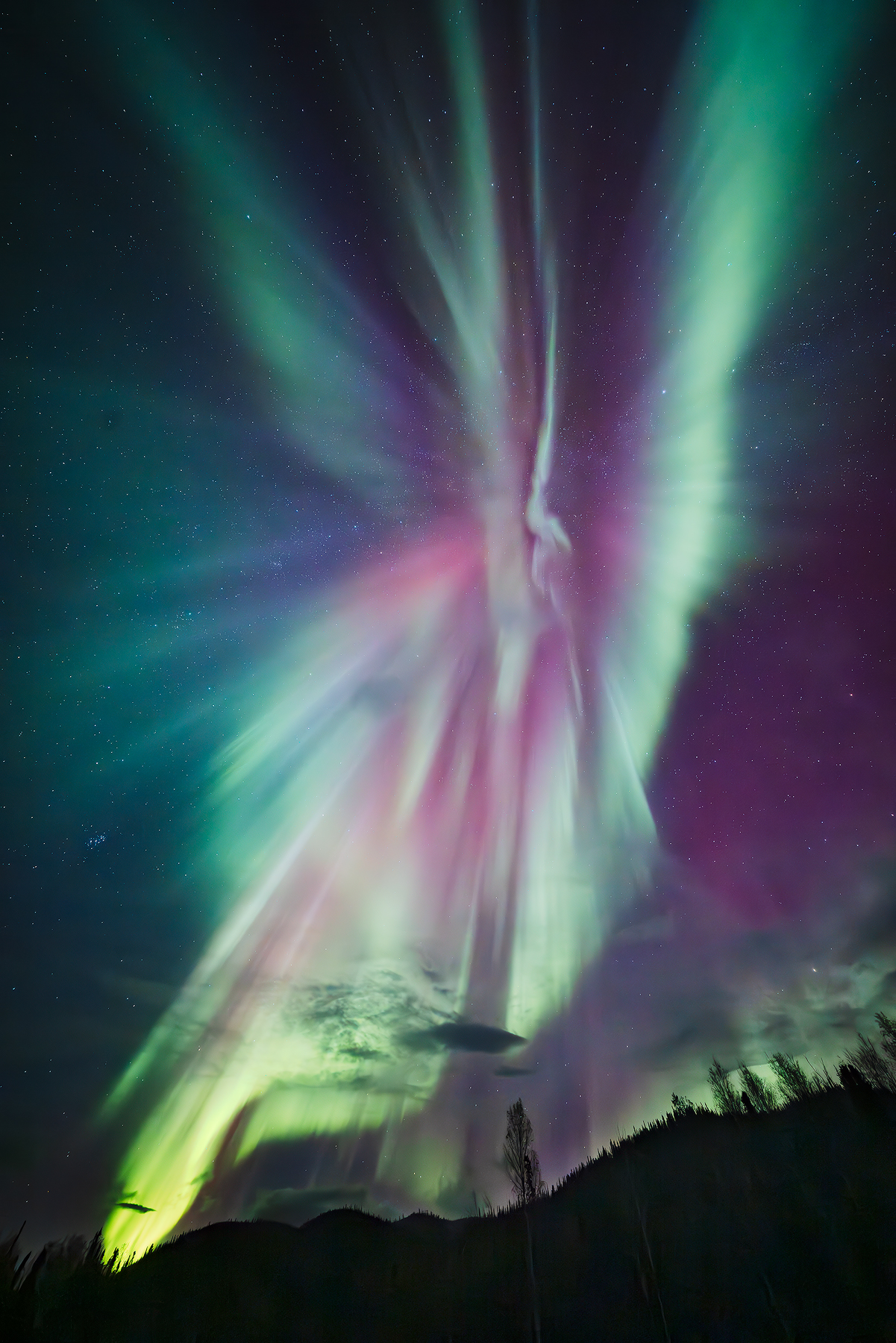
No one can guarantee the aurora on a given night — it's a natural phenomenon driven by the sun, not a scheduled show. What a six-night workshop in early fall gives you is repeated chances to see the northern lights and the mobility to chase clear skies. We're out every clear night, in the right locations, reading the forecasts so we're set up when it appears.
Do I need to be an experienced photographer?
No. The workshop is built for both beginners and experienced photographers. Instruction is hands-on and tailored to the conditions of each night, so newer shooters get the fundamentals of manual shooting in the dark while stronger shooters refine technique and work on advanced methods like exposure blending and timelapse.
How cold does it get in late September?
Cold but manageable — well short of midwinter. Expect nights below freezing, so dress in warm base layers, bring a good jacket, wool socks, and hand warmers and toe warmers. Comfort matters: warm, focused photographers shoot better and stay out longer.
What camera and lens do I need?
A camera with full manual control that handles high ISO, and a wide-angle lens with a fast aperture, f/2.8 or faster, ideally in the 14–24mm range on full frame. A sturdy tripod with a ball head is essential, along with extra batteries, since the cold drains them quickly. I'm happy to advise on your specific kit before the trip.
What camera settings work best for the aurora?
A full-featured camera with full manual control is essential for aurora photography, and a sturdy tripod is essential for capturing the northern lights sharp. Start with ISO settings between 1600 and 3200 for the best results, an aperture of f/2.8 or faster, and long exposures of roughly 5 to 25 seconds depending on how fast the aurora is moving. I'll dial these in with you on the first clear night and adjust as conditions shift.
What if it's cloudy?
We drive to find clear skies. Each afternoon I check space weather data against the cloud picture and pick our location accordingly. Cloud cover over Fairbanks doesn't end the night — knowing the interior's roads and dark-sky spots usually means we can find a window somewhere.
Are meals included?
No. Meals are on your own. The house has three full kitchens so the group can cook together, which most people find easier than driving out for food on an aurora schedule, and Fairbanks restaurants are a short drive when you'd rather go out.
What's the daily schedule like?
Aurora work inverts your clock. Mornings are for sleep, afternoons for image review and instruction with optional landscape shooting, and nights for chasing the lights, sometimes until they fade near dawn. The rhythm takes a day to adjust to, then it feels natural.
Is lodging included?
Yes. Lodging is bundled into the tuition, and it isn't a hotel room. The group stays at a private seven-bedroom estate in Fairbanks, three separate houses on one property, so everyone has their own room with a queen bed and nobody shares. There's nothing for you to book and nothing to arrange, and we leave from and return to the same place every night.
How many people are in the group?
Seven photographers. The small group is deliberate — it's the number that lets me give everyone real individual attention in the field and in review, and it's the number of bedrooms in the house, so nobody shares a room.
What's the cancellation policy?
A $1,250 deposit reserves your place, and the balance is due June 19th, 2027. Deposit and balance terms, change fees, and refund timelines are covered in full on our Terms and Conditions page. I strongly recommend trip insurance to protect your deposit, travel costs, and workshop fee.
Why fall instead of March?
Both the fall and the spring equinox windows are strong for the aurora. February and March are prime months for aurora viewing, and I run a separate spring equinox workshop for exactly that reason. What fall offers that winter and the spring equinox can't is vibrant fall color, and unfrozen lakes and rivers for reflections that double the light. Late September is also far warmer and more comfortable than midwinter, while still delivering dark nights and strong activity around the fall equinox.