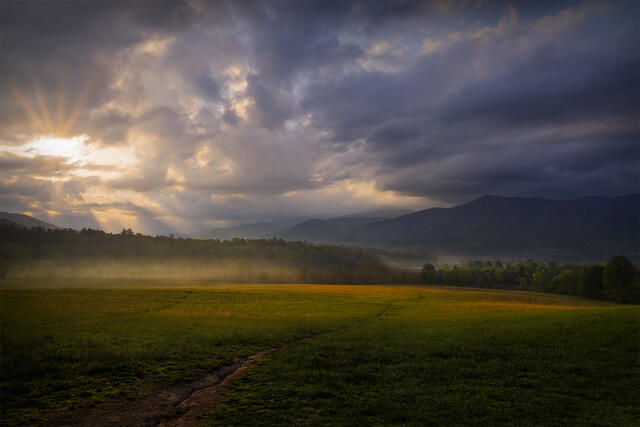
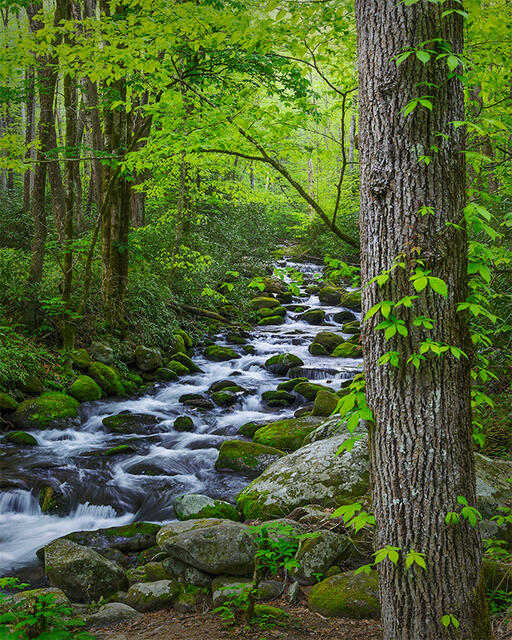
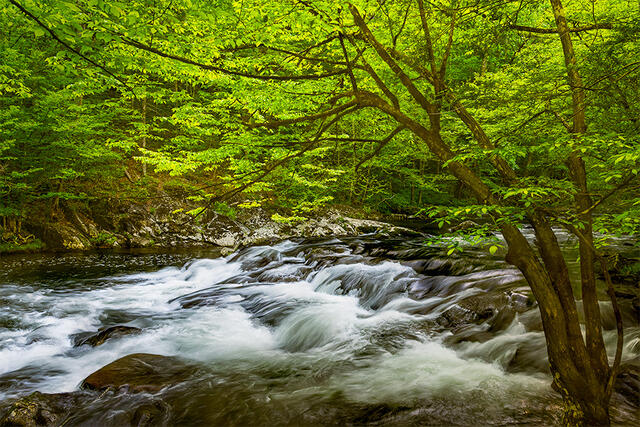
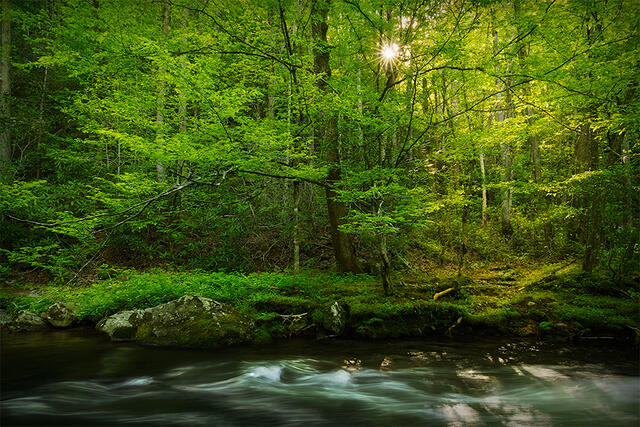
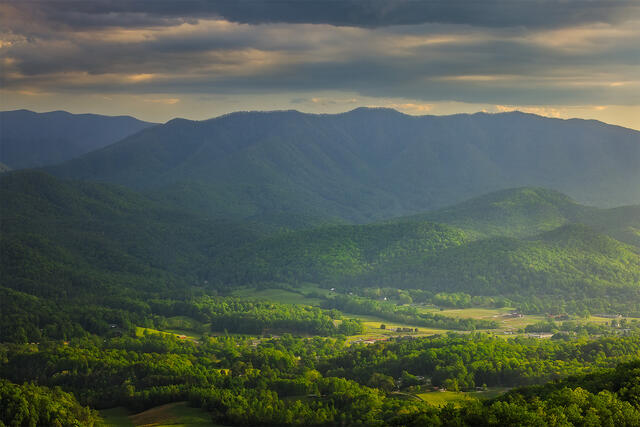
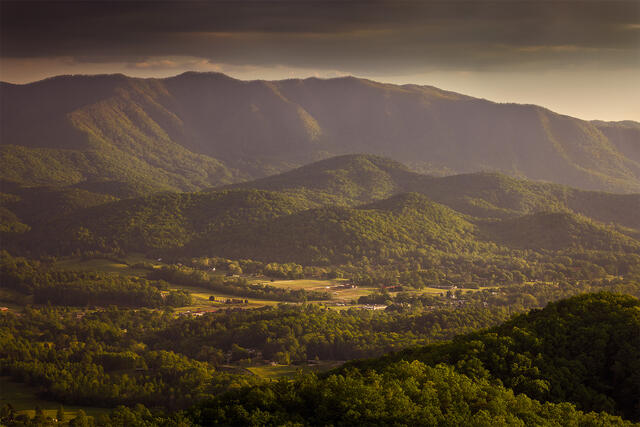
Step into the breathtaking beauty of the Great Smoky Mountains National Park through this curated photography gallery. Each image captures the park’s enchanting landscapes, from mist-covered smoky mountain peaks at sunrise to cascading waterfalls hidden within lush forests. Access to many of the park's most scenic overlooks and trails is made easy by well-maintained roads and convenient parking lots, allowing photographers to reach prime locations before sunrise or sunset.
Iconic locations like Clingman's Dome, the highest point in the park, feature an observation tower that offers panoramic views after a half-mile hike to the summit. The unique experience of standing at Newfound Gap, where the route straddles the border between Tennessee and North Carolina, is enhanced by the overlook that offers views into both states. Many visitors hope to witness the sun rise over the mountains from iconic spots like Clingman's Dome or Newfound Gap Overlook, and it's important to arrive at least an hour before sunrise to secure a good spot at these popular overlooks.
The course of the Middle Prong of Little River winds through the forest, providing excellent opportunities to photograph moving water and capture the dynamic beauty of the landscape. The park’s diversity is further revealed through a variety of hikes, from short half-mile walks to longer treks, each offering different perspectives and photographic subjects. The gravel road through Cades Cove is a favorite spot for sunrise shoots, especially when the early light catches the mist rising from the fields. Riding a bike or walking the loop road early in the week can help avoid crowds and provide a more peaceful photography experience.
As the light changes, the magical atmosphere at dusk creates unique photographic opportunities as the sun sets behind the mountains to the west. Shooting at night is a thrill, with the sky filled with stars and the landscape taking on a mysterious quality. Summer brings lush greenery and vibrant wildflowers, making it a favorite season for nature photographers, while mid April is ideal for capturing blooming wildflowers and mid October offers peak autumn colors—these weeks are the best times for great smoky mountain photography.
The experience of photographing the park is about more than just the images; it's about watching the changing light and clouds at overlooks, timing your shoot to make the difference between a good and a great photograph, and taking time to rest at vantage points to soak in the view. Storytelling through photography comes alive when the elements in a photograph are speaking to the viewer, conveying the mood and story of the smoky mountain landscape. Avoid common wrong assumptions, such as underestimating the time needed to reach a location or the challenge of capturing the perfect shot in changing weather.
When planning your visit, consider the nearby towns: the lively atmosphere of Pigeon Forge offers plenty of hotels and attractions, while the quieter gateway of Townsend provides a more peaceful base for your photography trip.
Scenic Landscapes and Iconic Views of the Great Smoky Mountains
The gallery showcases iconic views like Clingmans Dome, Cades Cove, and the Roaring Fork Motor Nature Trail, all bathed in the ever-changing light of the Smokies. Whether it's the fiery hues of autumn leaves, the soft greens of spring, or the serene snow-draped winter scenes, these photographs bring the magic of the Smokies to life, inspiring adventure and appreciation for this natural wonder.